 pqaoo
pqaoo
Outdoor furniture can make a garden, patio, balcony, or backyard much more comfortable. A clean chair or table can completely change the look of an outdoor space. However, outdoor furniture is exposed to dust, rain, sunlight, leaves, bird droppings, pollen, and other outdoor elements throughout the year. If it is not cleaned regularly, dirt can quickly build up and make the furniture look old and neglected.
The good news is that keeping outdoor furniture clean does not have to be difficult. With a simple cleaning routine and a little attention to the material of your furniture, you can keep it looking fresh for every season.
In this guide, I will explain how to keep outdoor furniture clean throughout the year, what cleaning methods work best for different materials, how often you should clean outdoor furniture, and how to protect it from common outdoor problems.
Why Regular Outdoor Furniture Cleaning Matters
Outdoor furniture needs more care than indoor furniture because it is constantly exposed to changing weather conditions. Even when the furniture looks clean, small amounts of dust and moisture can collect on its surface.
Regular cleaning helps prevent dirt from becoming difficult to remove. It can also reduce stains, mold growth, unpleasant smells, and discoloration.
Another reason to clean outdoor furniture regularly is that proper maintenance can help extend its useful life. Chairs, tables, cushions, and other outdoor items can become damaged when dirt and moisture remain on them for long periods.
I have found that small cleaning tasks are much easier than waiting until the furniture becomes heavily dirty. Spending a few minutes cleaning your furniture regularly can save you from doing a much harder cleaning job later.
How Often Should You Clean Outdoor Furniture?
There is no single cleaning schedule that works for every outdoor space. The right frequency depends on your weather, location, furniture material, and how often you use the furniture.
For most outdoor furniture, a light cleaning once a week is a good habit. This can simply involve removing loose dirt, leaves, and dust with a soft brush or cloth.
A deeper cleaning can be done once a month or whenever the furniture becomes noticeably dirty.
During spring and summer, you may need to clean more often because pollen, dust, and outdoor activity can increase. After heavy rain or storms, it is also a good idea to check the furniture and remove leaves or other debris.
Start by Removing Loose Dirt
Before using water or any cleaning solution, always remove loose dirt first.
Use a soft brush, dry cloth, or handheld vacuum to remove dust, leaves, grass, and other debris. Pay special attention to corners, underneath seats, and around the legs of chairs and tables.
Removing dry dirt first makes the rest of the cleaning process much easier. If you immediately add water, loose dirt can turn into mud and spread across the surface.
For cushions, gently shake them outside before cleaning. This can remove dust and small pieces of dirt that have collected between the fabric fibers.
Use Mild Soap and Water for General Cleaning
For many types of outdoor furniture, mild soap and water are enough for regular cleaning.
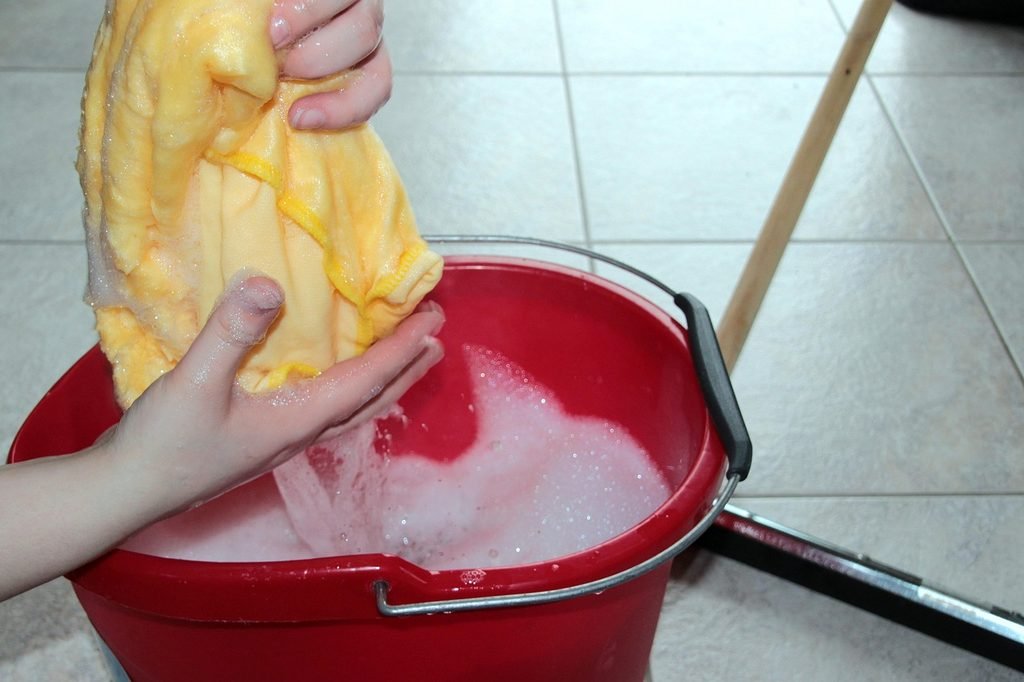
Fill a bucket with warm water and add a small amount of mild dish soap. Mix it gently and use a soft sponge or cloth to clean the furniture.
Avoid using too much soap because excessive soap can leave a sticky layer on the surface. That layer can attract more dust.
After cleaning, rinse the furniture with clean water. If possible, allow it to dry completely in a well ventilated area.
This simple method works particularly well for many plastic, metal, resin, and synthetic outdoor furniture pieces.
How to Clean Plastic Outdoor Furniture
Plastic outdoor furniture is usually easy to maintain, but it can become dull or stained over time.
Start by removing loose dirt with a soft brush. Then clean the surface with warm water and mild soap.
Use a soft sponge for stubborn areas. Avoid using rough brushes because they can create small scratches in the plastic.
White plastic furniture may sometimes develop a gray or yellow appearance after long exposure to sunlight and outdoor conditions. In such cases, gentle cleaning may improve the appearance, but heavily weathered plastic may not return to its original color.
After washing, rinse the furniture thoroughly and let it dry completely.
How to Clean Metal Outdoor Furniture
Metal furniture can collect dust, pollen, mud, and moisture. Some metal furniture may also develop rust if its protective finish becomes damaged.
For regular cleaning, use a soft cloth or sponge with mild soapy water. Clean the entire surface and pay attention to joints and small spaces where dirt can collect.
Rinse the furniture and dry it with a clean towel.
It is important not to leave water sitting on metal furniture for long periods. Drying the surface can help reduce moisture related problems.
If you notice a small damaged area or early signs of rust, deal with it promptly. Ignoring small damaged areas can allow the problem to become larger over time.
How to Clean Wooden Outdoor Furniture
Wooden outdoor furniture needs a little more attention than plastic or metal furniture. Wood can absorb moisture, collect dirt, and change appearance when exposed to sunlight and rain.
Begin by brushing away loose dirt. Then use a soft cloth or sponge with mild soapy water.
Do not soak wooden furniture unnecessarily. Excessive moisture can enter the wood and may contribute to swelling or other problems.
After cleaning, rinse lightly and allow the furniture to dry completely.
Depending on the type of wood and its finish, outdoor wooden furniture may also benefit from periodic maintenance with a suitable wood treatment. Always follow the care instructions provided by the furniture manufacturer.
How to Keep Outdoor Cushions Clean
Outdoor cushions can quickly become dirty because they are directly exposed to dust, pollen, food, drinks, and moisture.
Check the care label before cleaning cushions. Some covers can be removed and washed, while others should only be spot cleaned.
For small stains, use mild soap and water with a soft cloth. Gently work on the stained area instead of scrubbing aggressively.
After cleaning, allow cushions to dry completely before storing or using them again.
Never store damp cushions in a closed space. Moisture trapped inside can create an environment where mold and unpleasant odors develop.
When the furniture is not being used for a long period, storing cushions in a clean and dry place can make them last longer.
Deal With Bird Droppings Quickly
Bird droppings are one of the most common problems with outdoor furniture. They can leave visible marks and become harder to remove when they dry.
If you notice bird droppings, clean them as soon as practical.
Use gloves and remove the material carefully. Then clean the area with mild soap and water. Rinse the surface afterward.
Avoid aggressive scrubbing, especially on painted or delicate surfaces, because it can damage the finish.
Regularly checking tables, chairs, and cushions can prevent these stains from becoming a bigger cleaning problem.
Remove Leaves and Pollen Regularly
Leaves and pollen may look harmless, but leaving them on outdoor furniture for long periods can create problems.
Wet leaves can leave stains, while pollen can collect in fabric and textured surfaces.
Make it a habit to brush leaves away whenever you notice them. During seasons when trees release large amounts of pollen, you may need to clean outdoor furniture more frequently.
A soft brush is usually enough for loose pollen and dry leaves.
Prevent Mold and Mildew
Mold and mildew are more likely to appear when furniture stays damp and receives limited airflow.
To reduce the chance of mold growth, keep outdoor furniture as dry as possible. After rain, allow wet furniture to dry properly instead of covering it immediately.
Move cushions into a dry area when heavy rain is expected. Make sure storage spaces have enough ventilation.
If you see mold or mildew, clean the affected area according to the furniture manufacturer’s care instructions. Different materials can react differently to cleaning products, so avoid using a strong chemical without checking whether it is suitable for the surface.
Keep Outdoor Furniture Away From Excessive Dirt
The easiest way to keep outdoor furniture clean is to reduce how much dirt reaches it in the first place.
If your patio is surrounded by soil, grass, or trees, furniture may become dirty more quickly. A clean outdoor area can help reduce the amount of dirt that reaches chairs and tables.
You can also use outdoor rugs in suitable areas to reduce dust and mud around frequently used furniture.
Keeping food and drinks on trays can also make cleaning easier. Small habits like these can make a noticeable difference.
Use Furniture Covers When Appropriate
Furniture covers can provide additional protection when outdoor furniture is not being used.
A good cover can help reduce exposure to dust, rain, leaves, and bird droppings. However, the furniture should be reasonably clean and dry before covering it.
Do not trap moisture underneath a cover. If the furniture is wet, allow it to dry first.
Choose covers that fit properly and allow some airflow. A cover that is too tight or poorly ventilated may cause moisture to remain trapped against the furniture.
Clean Outdoor Furniture Before Winter
Before colder weather arrives, give your outdoor furniture a thorough cleaning.
Remove dirt, leaves, stains, and other debris. Wash cushions according to their care instructions and make sure everything is completely dry.
If you have enough indoor storage space, consider moving cushions and delicate furniture indoors.
For larger furniture that must remain outside, use suitable protective covers and place the furniture somewhere that offers protection from severe weather when possible.
Taking these steps before winter can make spring cleaning much easier.
Spring Cleaning for Outdoor Furniture
Spring is a great time to give outdoor furniture a complete inspection.
Winter weather may leave behind dirt, moisture, and stains. Start by removing covers and checking every item.
Look for cracks, loose screws, damaged finishes, rust, or other problems.
Clean each piece according to its material. Wash cushions and allow them to dry completely.
Spring cleaning is also a good opportunity to rearrange your outdoor space and decide which items need repairs or replacement.
Summer Outdoor Furniture Maintenance
Summer usually means more outdoor activities, meals, guests, and regular use of furniture.
Because of this, cleaning may need to happen more frequently.
Wipe tables after meals and clean spills as soon as possible. Remove dust and pollen from chairs regularly.
Pay attention to cushions because sweat, food, and drinks can leave stains during frequent use.
If the furniture is exposed to strong sunlight, consider providing shade where practical. Continuous exposure to sunlight can cause some materials and fabrics to fade over time.
Fall Cleaning Routine
During fall, leaves can become the biggest cleaning problem.
Try not to allow large amounts of leaves to remain on furniture. Remove them regularly, especially after windy weather.
Check underneath cushions and between furniture pieces because leaves can collect in hidden areas.
Before storing furniture or covering it for the colder months, make sure it is clean and completely dry.
A good fall cleaning routine can prevent a large buildup of dirt during winter.
Common Outdoor Furniture Cleaning Mistakes
One common mistake is using very strong cleaning chemicals when a mild cleaner would be enough.
Strong products can damage finishes, fabrics, plastic, and painted surfaces.
Another mistake is using rough brushes or abrasive materials. These can create scratches that collect dirt and make the furniture harder to clean later.
Some people also forget to dry outdoor furniture after cleaning. Although outdoor furniture is designed for outdoor conditions, allowing water to remain trapped in joints, cushions, or textured areas can create problems.
Another mistake is covering furniture while it is still wet. Always allow it to dry properly before storage or covering.
Create a Simple Year Round Cleaning Routine
You do not need to spend hours cleaning outdoor furniture every week.
A simple routine can keep the work manageable.
Once a week, remove loose leaves, dust, and debris.
Every few weeks, wipe tables and chairs with mild soap and water if needed.
Once a month, inspect the furniture carefully and clean areas that are often missed.
Before winter, perform a deeper cleaning and prepare everything for storage or covering.
After storms or heavy rain, check the furniture for standing water, leaves, mud, or other debris.
The key is consistency. Small cleaning tasks performed regularly are easier than one large cleaning project at the end of the season.
Natural Cleaning Options
Some homeowners prefer simple cleaning ingredients rather than strong commercial products.
For basic cleaning, mild soap and warm water are often enough.
Some people also use diluted household ingredients for certain surfaces, but you should always check the manufacturer’s recommendations first. Natural does not automatically mean safe for every material.
Test any new cleaning solution on a small hidden area before using it on the entire piece.
This is especially important for painted wood, special finishes, delicate fabrics, and furniture with protective coatings.
How to Make Outdoor Furniture Last Longer
Cleaning is only one part of outdoor furniture care.
Try to keep furniture away from standing water. Tighten loose screws when necessary. Repair damaged surfaces before the problem becomes worse.
Use suitable covers when furniture will not be used for extended periods.
Avoid dragging heavy furniture across rough surfaces because this can damage legs and finishes.
Keep cushions clean and dry, and store them properly during periods of severe weather.
Most importantly, follow the care instructions provided by the manufacturer. These instructions are usually designed specifically for the materials and finish used on your furniture.
Final Thoughts
Learning how to keep outdoor furniture clean throughout the year is mostly about developing simple habits.
Regularly remove dust, leaves, pollen, and other debris. Clean spills quickly and use mild soap and water for routine cleaning when appropriate. Always choose a cleaning method based on the furniture material.
Wood, metal, plastic, and outdoor fabrics can all require slightly different care. Protect furniture from unnecessary moisture, use covers when appropriate, and store cushions in a dry place when they are not being used.
You do not need an expensive cleaning routine to maintain a beautiful outdoor space. A little regular care can keep your patio furniture looking fresh, comfortable, and inviting throughout the seasons.
When outdoor furniture is cleaned and maintained properly, it becomes easier to enjoy your garden or patio without worrying about constant stains, dirt, or weather damage. A few minutes of attention each week can make a big difference over the entire year.