 pqaoo
pqaoo
A small front yard can look beautiful without becoming a second full time job. I have always liked gardens that look neat and welcoming but do not require constant watering, trimming, feeding, and cleaning. When I started looking into simple front yard landscaping, I found that choosing the right plants makes a much bigger difference than simply adding more plants.
The best low maintenance plants for a small front yard are usually compact, hardy, drought tolerant, and suitable for the amount of sunlight available. Plants such as lavender, sedum, ornamental grasses, rosemary, boxwood, yarrow, and certain native perennials can give a small space plenty of color and structure while keeping routine garden work manageable. Experts also recommend choosing plants that are adapted to the local climate because established drought tolerant plants generally need much less supplemental water.
A small garden also gives you an opportunity to be selective. Instead of filling every empty area, you can choose a few reliable plants and arrange them carefully. This can make the yard look organized, attractive, and easier to maintain.
What Makes a Plant Low Maintenance?
Before choosing plants for a small front yard, it helps to understand what low maintenance actually means. No outdoor plant is completely maintenance free. Every plant needs some care, especially when it is newly planted.
A low maintenance plant is simply one that does not demand constant attention after it becomes established. It may tolerate dry periods, resist common pests, grow at a manageable rate, or naturally keep a pleasing shape.
Drought tolerant plants are particularly useful because they can reduce the need for frequent watering once their root systems are established. New plants still need regular water while they develop roots. Deep watering that encourages healthy root growth can be more useful than giving plants a small amount of water every day.
For a small front yard, I would also look for plants that stay relatively compact. A plant that grows too quickly can turn a simple garden into a pruning project.
1. Lavender
Lavender is one of my favorite choices for a small front yard because it combines attractive foliage, flowers, and fragrance in one plant.
It generally prefers plenty of sunlight and well drained soil. Once established in suitable conditions, lavender can tolerate relatively dry conditions. Its purple flowers also provide a soft appearance that works well beside walkways and entrances.
You can plant lavender along the edge of a pathway or group several plants together to create a simple border. The gray green foliage can remain attractive even when the plant is not flowering.
One important point is drainage. Lavender does not appreciate sitting in constantly wet soil. If your front yard has heavy soil, improving drainage before planting can make a noticeable difference.
2. Sedum
Sedum is another excellent option when you want easy care plants for a small garden.
Many sedum varieties have thick leaves that store water, which helps them tolerate dry conditions. Succulents are naturally adapted to periods of limited moisture because their fleshy leaves can retain water.
Sedum can be useful as a ground cover, border plant, or small accent. Some varieties stay close to the ground while others grow taller and produce attractive flowers.
I particularly like sedum for small spaces because it adds texture without requiring a large amount of room. It can also work well around decorative stones or along the edge of a pathway.
Choose a variety that suits your local climate and give it soil that drains properly.
3. Rosemary
Rosemary can be both decorative and useful.
It has evergreen needle like foliage and produces small flowers under suitable growing conditions. Rosemary generally prefers sun and well drained soil. Once established, it can tolerate dry conditions better than many plants that require frequent watering.
A small rosemary plant can be placed near the front entrance, along a walkway, or inside a raised garden bed. Its fragrance is another reason I like it for areas close to the house.
One advantage is that rosemary does not usually need the kind of frequent attention associated with delicate flowering plants. Occasional trimming can help maintain its shape, especially if you want a neat appearance.
4. Ornamental Grasses
Ornamental grasses are often overlooked when people plan small front yard landscaping, but they can be extremely useful.
They add movement, texture, and height without making the garden feel crowded. Many ornamental grasses also tolerate dry conditions because of their narrow leaves and strong root systems. Illinois Extension lists ornamental grasses among plants that can work well in dry areas.
For a small yard, look for compact varieties rather than very large grasses. A few carefully placed clumps can create a modern appearance without taking over the entire garden.
Ornamental grasses also work nicely beside stone paths and simple shrubs. Their soft texture can balance plants with larger leaves.
5. Boxwood
If you prefer a traditional and tidy front yard, boxwood can be a good choice.
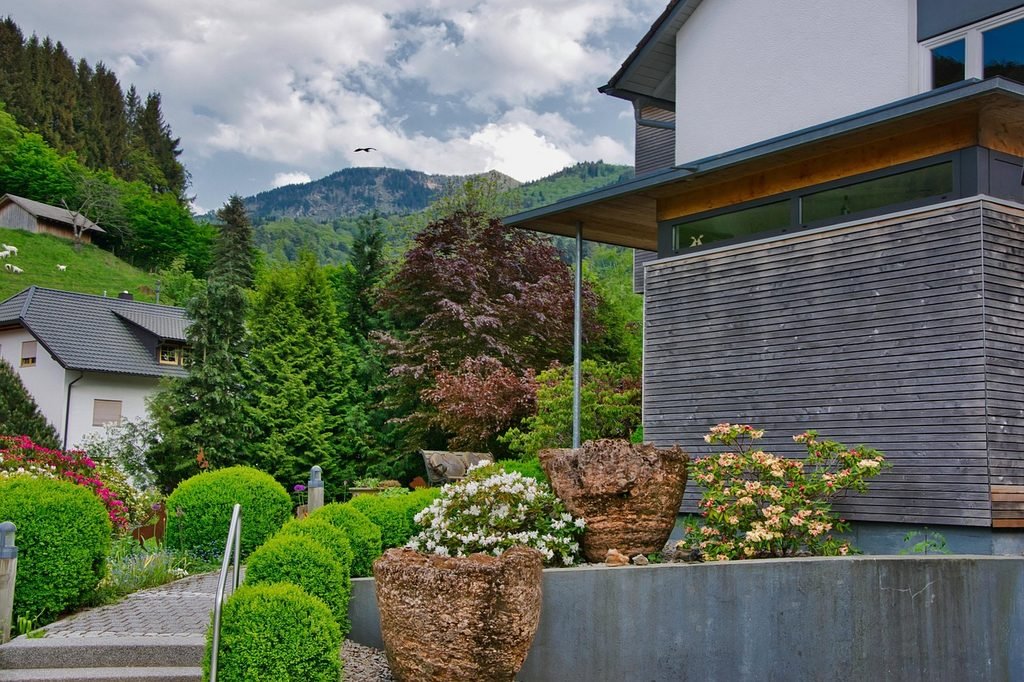
Boxwood is valued for its evergreen foliage and ability to maintain a structured appearance. Compact varieties can work particularly well in smaller gardens because they can provide definition around paths, doors, or planting beds.
You should still choose the variety carefully because some types can become much larger than expected. A compact variety is generally more appropriate for a limited space.
Boxwood may require occasional trimming if you want a formal shape, but it can provide year round structure without needing to be replaced every season.
6. Yarrow
Yarrow is worth considering if you want flowers without creating a high maintenance garden.
It is known for tolerating dry conditions once established, and its clusters of small flowers can bring color to a front yard. Yarrow is also included among dependable perennial plants recommended for dry conditions by Illinois Extension.
One reason I like perennial plants for a small garden is that they can return year after year. Instead of buying and replacing new plants every season, you can build a garden around plants that continue growing.
Yarrow can be useful in informal borders where you want the garden to look natural rather than perfectly shaped.
7. Native Perennials
Native plants deserve special attention when planning a low maintenance front yard.
A plant that naturally suits your local climate has a better chance of handling the weather and soil conditions around your home. Native perennials may also develop strong root systems that help them handle periods of dry weather.
This does not mean native plants require no care. Newly planted perennials still need attention while their roots become established. Illinois Extension notes that even native plants described as low maintenance can need watering, weeding, and mulch management during their early years.
For the best results, visit a reputable local nursery and ask which native or locally adapted plants stay compact and perform well in your area.
8. Dwarf Shrubs
Large shrubs can quickly overwhelm a small front yard, but dwarf shrubs can provide structure without taking over the space.
Compact shrubs are useful near the front door, beside windows, or around a walkway. They can also provide greenery throughout several seasons.
When selecting a shrub, check its mature height and width rather than buying based only on its current size. A plant may look tiny in a nursery container but become several feet wide after a few years.
This is one of the easiest mistakes to avoid. Choosing a naturally compact variety means you will spend less time cutting the plant back simply to keep it in its place.
9. Lantana
Lantana can be a strong choice for warm climates where it receives plenty of sunlight.
It produces clusters of colorful flowers and can bring a cheerful appearance to a small front garden. It is also known for handling heat and dry conditions once established.
Because lantana can grow differently depending on the variety and climate, check the mature size before planting. In a small garden, compact varieties are usually easier to manage.
It can be planted near a walkway or used as a colorful accent among evergreen plants.
10. Aloe
Aloe is another useful option for sunny, dry locations.
Its thick leaves give it a distinctive appearance, and its ability to store water makes it suitable for gardens where frequent watering is not desirable. Succulents are generally valued for their drought tolerance and low water requirements.
Aloe works especially well in modern front yard designs. You can combine it with decorative stones, gravel, or other drought tolerant plants.
Make sure the variety you select is appropriate for your climate because cold tolerance differs between aloe species.
11. Catmint
Catmint is a useful perennial for gardeners who want soft flowers and attractive foliage.
It can work well along pathways and borders because many varieties form manageable mounds. Its flowers can also bring beneficial insects into the garden.
Catmint is included among low maintenance perennial choices for dry conditions, along with plants such as sedum and yarrow.
For a small front yard, planting several catmint plants in a simple group can look better than placing individual plants randomly throughout the garden.
12. Agapanthus
Agapanthus can add height and strong visual interest without requiring a complicated garden design.
Its long leaves create a neat clump, while its flower stalks can rise above the surrounding plants. Some varieties produce blue or white flower clusters.
This plant can be particularly useful when you want one strong feature in a small planting bed. However, climate suitability is important, so choose a variety that can handle your local winter conditions.
How to Choose the Right Plants for Your Front Yard
Choosing the best low maintenance plants for a small front yard is not simply about finding a list of popular plants. Your garden has its own conditions.
Start by observing sunlight.
Spend a day looking at how much direct sunlight reaches the front yard. A sunny area can support plants that need full sun, while a shaded entrance may require completely different choices.
Next, look at your soil.
Does water disappear quickly after rain, or does the soil stay wet for a long time? Drainage can have a major effect on plant health.
You should also consider the climate.
A plant that performs beautifully in one region may struggle in another. This is why local advice can be more useful than simply copying a garden design from another country.
Finally, consider the mature size of each plant.
This is especially important in a small front yard. If a shrub eventually becomes too wide, you may have to prune it constantly. Choosing the correct size from the beginning saves both time and effort.
How to Make a Small Front Yard Easier to Maintain
Plant selection is only part of the solution. The way you design the garden also affects how much work it requires.
One simple approach is to reduce unnecessary lawn areas. Traditional lawns often need regular mowing, watering, fertilizing, and other maintenance. A carefully designed planting bed can reduce some of this work.
Mulch can also help.
A layer of suitable organic mulch can help reduce evaporation, keep soil cooler, and limit weed growth. Illinois Extension recommends mulch as one way to conserve soil moisture around drought tolerant plants.
I also prefer grouping plants with similar needs together. If one section of the garden contains plants that all prefer sunny and relatively dry conditions, watering becomes easier.
Avoid mixing a thirsty plant with drought tolerant plants simply because the combination looks attractive. Their different water requirements can make maintenance more complicated.
A Simple Planting Plan for a Small Front Yard
If I were creating a simple low maintenance front yard from scratch, I would avoid filling the entire space with different plants.
Instead, I would choose three or four main plant types.
For example, a sunny garden could have lavender along the pathway, compact ornamental grass toward the back, sedum near the edges, and one small evergreen shrub near the entrance.
This creates different heights and textures without making the garden look chaotic.
For a more traditional appearance, compact boxwood could provide structure while flowering perennials add seasonal color.
For a dry and modern garden, sedum, aloe, ornamental grasses, and decorative stones could create an attractive landscape with relatively low watering needs after establishment.
The key is repetition. Using the same plant several times can make a small garden look more intentional and organized.
Common Mistakes to Avoid
One of the biggest mistakes is choosing plants only because they look beautiful at the nursery.
Another common mistake is planting too many different varieties. A small front yard does not need twenty different plants to look interesting.
Planting too close together is another problem. Young plants may look small, but they need enough room to reach their mature size.
I would also avoid creating a garden that requires daily attention. If your goal is low maintenance, choose plants that can handle your normal schedule.
Finally, do not assume drought tolerant means no watering. Newly planted drought tolerant plants need regular attention while their roots become established.
Final Thoughts
The best low maintenance plants for a small front yard are not necessarily the most unusual or expensive plants. In my experience, the smartest choices are plants that match the space, climate, sunlight, soil, and amount of time you want to spend gardening.
Lavender, sedum, rosemary, ornamental grasses, boxwood, yarrow, catmint, aloe, compact shrubs, and suitable native perennials can all contribute something different. The important thing is to choose varieties that remain manageable at maturity.
A small front yard can actually be easier to design than a large one because you do not need dozens of plants. A few carefully selected varieties can provide flowers, greenery, texture, and structure throughout the year.
If you prepare the soil properly, give new plants enough water while they establish, use mulch where appropriate, and select plants suited to your local conditions, you can create a welcoming garden without spending every weekend maintaining it.
The goal of a low maintenance garden is not to avoid gardening completely. It is to spend less time fixing problems and more time enjoying the space you created.