 pqaoo
pqaoo
Choosing the right rug size for a small room can make a bigger difference than many people expect. A rug is not only something that adds color and comfort to a room. It also helps define the space, connect furniture together, and make the room feel more complete.
When I first started learning about room decoration, I thought choosing a rug was simply about finding a design I liked and making sure it fit on the floor. Later, I realized that the size of the rug is just as important as its color and pattern. A rug that is too small can make a room look disconnected, while a rug that is too large can make a small room feel even tighter.
The good news is that choosing the right rug size for a small room does not have to be difficult. With a few simple measurements and some basic decorating rules, you can find a rug that fits your room beautifully.
In this guide, I will explain how to choose a rug size for a small room, where to place it, what sizes work best, and which common mistakes you should avoid.
Why Rug Size Matters in a Small Room
Small rooms need careful planning because every piece of furniture affects how spacious the room feels. A rug can either improve that feeling or make the room appear more crowded.
The right rug helps create a visual connection between different pieces of furniture. For example, in a small living room, placing the front legs of a sofa and chairs on the rug can make the seating area look like one comfortable space.
A rug can also add warmth to a room without taking up any vertical space. This makes it especially useful in apartments, bedrooms, small living rooms, and compact home offices.
The main goal is to choose a rug that is large enough to define the area but not so large that it covers almost the entire floor.
Measure Your Room Before Buying a Rug
One of the simplest tips I have learned is to measure the room before buying anything. It may sound obvious, but many people choose a rug based only on how it looks in a store or online.
Start by measuring the length and width of the room. Then measure the main furniture pieces that will sit around or on the rug.
If you are buying a rug for a small living room, measure the sofa first. Think about where you want the rug to begin and end. You should also consider coffee tables, chairs, side tables, and walking areas.
A measuring tape and a piece of paper can make this process much easier.
You can even use masking tape to mark the approximate size of the rug directly on the floor. This gives you a quick idea of how much space the rug will cover before you spend money.
What Is the Best Rug Size for a Small Living Room?
There is no single rug size that works for every small living room. The best choice depends on the room dimensions and furniture arrangement.
However, some common sizes work well in compact spaces.
A 5 by 7 foot rug is often a practical choice for a small living room. It provides enough space to define the seating area without covering the entire floor.
A 6 by 9 foot rug can work when the room is slightly larger or when you want more furniture to sit on the rug.
A 4 by 6 foot rug can work in very small spaces, but you need to be careful. If the rug is too small compared with the furniture, the seating arrangement may look separated.
When choosing a rug size for a small living room, I prefer to think about the furniture arrangement first and the rug second.
Should the Sofa Be on the Rug?
This is one of the most common questions people ask when decorating a small room.
The answer depends on the size of the rug.
If you have enough space, placing at least the front legs of the sofa on the rug can create a balanced appearance. This arrangement makes the rug feel connected to the furniture instead of looking like a small island in the center of the room.
In a very small living room, you may not be able to place the entire sofa on the rug. That is completely fine. Letting only the front legs sit on the rug can still create a beautiful and organized look.
Try to keep the arrangement symmetrical when possible. The rug should look like it belongs under the furniture rather than being randomly placed in front of it.
Choosing a Rug Size for a Small Bedroom
The bedroom is another place where rug size matters.
For a small bedroom, you do not always need a large rug that extends across the entire floor. A medium sized rug placed under the bed can create a soft and comfortable appearance.
If your bed is positioned in the center of the room, you can place a rug underneath it so that the rug extends beyond the sides of the bed.
Another option is to use two small rugs on each side of the bed. This can be useful when there is not enough floor space for a large rug.
A small runner can also work well beside the bed. It adds softness where you actually need it without filling the entire room with a large piece of fabric.
Best Rug Size for a Small Dining Area
Choosing a rug for a small dining room requires a little more planning because chairs need enough space to move.
The rug should generally be large enough for the dining table and chairs. When you pull the chairs away from the table, the chair legs should ideally remain on the rug.
If the rug is too small, the chair legs may constantly catch on the edge. This can become uncomfortable and may also make the dining area look unbalanced.
For a compact dining area, measure the table first and then allow extra space around it for the chairs.
A rectangular rug usually works well with a rectangular dining table, while a round rug can look attractive under a round table.
Round Rugs in Small Rooms
Round rugs can be a great choice when you want something different from the usual rectangular design.
A round rug can soften the straight lines of furniture and make a small room feel more interesting.
They can work especially well in small reading corners, bedrooms, entryways, and compact dining spaces.
When using a round rug, think carefully about what you are trying to highlight. A round rug can be used to create a small conversation area or define a particular corner.
For example, a small round rug under a chair and side table can turn an empty corner into a cozy reading area.
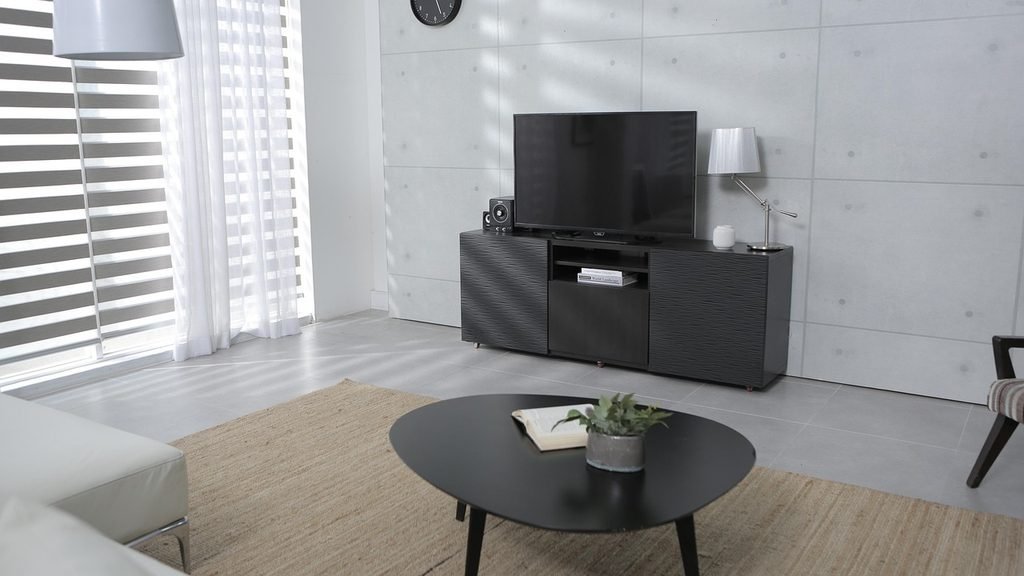
Runner Rugs for Narrow Rooms
If your room is narrow, a runner rug can sometimes be a better option than a traditional rectangular rug.
Runners are long and narrow, so they can fit naturally in hallways, narrow bedrooms, kitchens, and small entryways.
In a small bedroom, you can place a runner along one side of the bed. In a narrow living space, a runner can help create a clear walking path while still adding color and texture.
The key is to leave some visible floor around the rug. This prevents the room from looking completely covered.
Leave Some Floor Visible
One important decorating idea for small rooms is to avoid covering every part of the floor.
Visible floor space can make a room feel more open. This is why choosing the right rug size is so important.
If a rug covers almost the entire room from wall to wall, the space may feel smaller than it actually is.
Instead, leave some floor visible around the edges. The exact amount depends on your room, but even a small border of visible flooring can help create a lighter appearance.
This is especially useful if your room already contains several furniture pieces.
Think About Furniture Before Rug Size
When people search for how to choose a rug size, they often focus only on the dimensions of the room. Room size is important, but furniture placement is equally important.
Imagine you have a small living room with a sofa, two chairs, and a coffee table.
Instead of asking, “What rug fits this room?” ask, “What rug will connect these furniture pieces?”
This small change in thinking can make choosing the right rug much easier.
A rug should help organize the furniture. It should visually bring the main pieces together and create a clear area for sitting, relaxing, or talking.
Choose Simple Patterns for Small Rooms
Size is not the only thing that affects how large a room feels. The rug pattern also matters.
In a small room, very busy patterns can sometimes make the space feel visually crowded. This does not mean you have to avoid patterns completely.
A simple pattern with soft colors can add personality without overwhelming the room.
If your furniture is already colorful, you may want to choose a rug with a calmer design. If the furniture is simple, a patterned rug can become an attractive focal point.
The important thing is balance.
Light Colors Can Make the Room Feel Larger
Light colored rugs can help create an airy feeling in a small room.
Cream, beige, soft gray, light brown, and other gentle colors can reflect more light and create a softer visual appearance.
This does not mean dark rugs are always wrong. A dark rug can look beautiful, especially when the rest of the room has lighter walls and furniture.
However, if your main goal is to make a small room feel spacious, a lighter rug is usually an easier choice.
Consider the Rug Shape
Most people automatically choose rectangular rugs, but the shape of the room can help you decide whether another option might work better.
A rectangular rug works well with sofas, beds, and rectangular dining tables.
A round rug can be useful for small seating areas or round dining tables.
A runner is helpful in long and narrow areas.
The shape should support the layout of the room rather than fight against it.
Avoid Buying a Rug That Is Too Small
One of the most common small room rug mistakes is buying a rug that is too small.
People sometimes think a smaller rug will make the room look bigger. In reality, an extremely small rug can make furniture look disconnected.
For example, placing a tiny rug only under a coffee table may leave the sofa and chairs completely outside the visual area.
The room can then feel like several separate pieces rather than one organized space.
If your budget does not allow for a large rug, choose the largest size that comfortably fits the area without making the room difficult to walk through.
Avoid Covering Important Walking Areas
A rug should make the room more comfortable, not create obstacles.
Before choosing a large rug, think about the walking paths in the room.
Doors should open properly. People should be able to walk around furniture without constantly stepping onto unstable rug edges.
This is especially important in small rooms because the walking area is already limited.
Place the rug where it adds comfort without blocking movement.
Use a Rug to Define Different Areas
A small room can sometimes serve several purposes.
For example, a living room may also contain a small work desk. A bedroom may have a reading chair. An apartment may have a combined living and dining space.
A rug can help separate these areas visually.
You do not need walls or large furniture to create different zones. A carefully placed rug can tell the eye where one area begins and another ends.
This is one of the easiest small room decorating ideas because it does not require major changes.
Match the Rug With Your Existing Decor
Before buying a rug, look at the colors and materials already present in your room.
Consider your curtains, sofa, walls, cushions, furniture, and flooring.
You do not need every item to match perfectly. In fact, too much matching can make a room feel boring.
Instead, choose a rug that connects with at least two or three existing colors.
For example, if your sofa is beige and your curtains have soft green details, a rug containing beige and muted green can help bring the room together.
Consider the Thickness of the Rug
The thickness of a rug is another small detail that can make a difference.
A thick rug can feel warm and comfortable, but it may not be practical in every small room.
If your furniture is already large, a very thick rug can make the room feel visually heavier.
A low pile rug can be a practical choice for compact spaces because it is easier to clean and usually works well under furniture.
For bedrooms, a softer rug can create a comfortable feeling, especially beside the bed.
Think About Cleaning and Maintenance
A beautiful rug is not very useful if it is difficult to maintain.
Small rooms often receive regular foot traffic, especially living rooms and dining areas.
Before buying a rug, consider how easy it will be to clean.
If you have children or pets, you may want to choose a rug that can handle regular cleaning.
For dining areas, stain resistant materials can be especially useful.
The best rug for a small room is not only attractive. It should also fit your daily lifestyle.
Create a Balanced Look
Balance is one of the most important ideas in interior decoration.
A rug should not look lost in the room, and it should not dominate everything around it.
Look at the furniture from a distance after placing the rug. Does the seating area feel connected? Does the rug look centered? Is there enough floor visible around it?
Sometimes moving a rug only a few inches can improve the entire appearance.
Do not be afraid to experiment before deciding on the final position.
Common Rug Size Mistakes to Avoid
There are several mistakes people often make when choosing a rug for a small room.
The first is buying a rug without measuring the room.
The second is choosing a rug that is too small for the furniture.
The third is covering too much of the floor.
Another mistake is ignoring the walking paths.
Some people also choose a rug based only on its design without thinking about how the size will work with their furniture.
Finally, avoid buying a rug simply because it is cheap. A poorly sized rug can make even expensive furniture look less attractive.
A Simple Way to Choose the Right Rug Size
If you are still confused, follow this simple process.
First, measure your room.
Second, measure your main furniture.
Third, mark possible rug sizes on the floor using tape.
Fourth, check whether the furniture feels connected.
Fifth, make sure doors and walking paths remain clear.
Finally, choose the rug size that gives you the best balance between furniture coverage and visible floor space.
This method takes only a little time but can save you from making an expensive mistake.
Final Thoughts
Choosing the right rug size for a small room is mostly about balance. You want the rug to be large enough to connect the furniture but small enough to leave the room feeling open.
A 5 by 7 foot rug can work well in many small living rooms, while runners and smaller rugs can be useful in bedrooms, hallways, and compact corners. The exact size will always depend on your furniture and room dimensions.
From what I have learned about decorating small spaces, measuring first is the most useful step. It is much easier to make a good decision when you can actually see how much space the rug will take.
Remember that the goal is not simply to fill empty floor space. The goal is to create a comfortable and organized room where everything feels connected.
With the right rug size, even a small room can feel warm, stylish, and surprisingly spacious.