 pqaoo
pqaoo
Mixing old and new furniture in one room can make a home feel warm, personal, and interesting. I have always liked rooms that do not look as if everything was purchased from the same store at the same time. A beautiful old wooden cabinet beside a modern sofa can create much more character than a room filled with matching furniture.
The key is finding a balance. Old furniture often brings history, texture, and personality, while new furniture can provide comfort, clean lines, and a fresh appearance. When these two styles are combined thoughtfully, they can work together surprisingly well.
In this guide, I will explain how to mix old and new furniture in one room, how to choose pieces that complement each other, and how to avoid making the room look confused or overcrowded.
Why Mix Old and New Furniture?
There are several good reasons to combine old and new furniture. First, it gives your room a more natural and lived in appearance. A room where every item looks brand new can sometimes feel like a furniture showroom.
Older furniture can add warmth and character. A vintage wooden table, an antique mirror, or an old chair may have details that are difficult to find in modern furniture.
New furniture, on the other hand, can make the room more practical. Modern sofas are usually designed with comfort in mind. New storage units can offer better organization, and contemporary lighting can improve the overall function of the space.
I also think mixing furniture styles can save money. You do not always need to replace everything when decorating a room. Sometimes an old piece that you already own can become the most interesting part of the design.
Start With One Main Style
When learning how to mix old and new furniture in one room, it helps to choose one style as the main direction.
This does not mean that everything needs to match. It simply gives the room a visual foundation.
For example, you might choose a modern living room as your main style and add two or three vintage pieces. You could have a contemporary sofa, a simple coffee table, and modern curtains, then introduce an old wooden cabinet and a vintage side chair.
Another option is to make traditional furniture the main focus. You could use an antique dining table with modern dining chairs and a contemporary light fixture.
I find that this approach creates better balance than trying to give every piece equal attention.
Choose a Color Connection
Color is one of the easiest ways to make old and new furniture look like they belong together.
The furniture does not have to be the same color. Instead, look for colors that repeat throughout the room.
For example, if you have a dark wooden antique cabinet, you could use cushions with warm brown details on a modern sofa. If you have an old blue chair, you might repeat a similar blue color in artwork, curtains, or a rug.
This small connection can make a big difference.
A neutral color scheme can also be very useful. White, cream, beige, gray, soft brown, and natural wood tones can help different furniture styles work together without creating too much visual noise.
Let Old Furniture Add Character
One of the biggest advantages of using old furniture is the character it brings to a room.
An older wooden table may have natural marks and a slightly imperfect finish. Instead of hiding these details, I would treat them as part of the beauty of the piece.
You do not need to make an old item look completely new. Small scratches, changes in wood color, and signs of age can give furniture a sense of history.
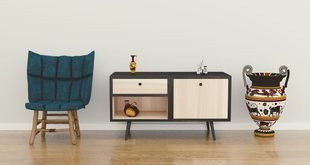
A vintage cabinet can become a focal point in a living room. An old writing desk can create a small work area. An antique chair can add personality to an otherwise modern bedroom.
The important thing is to avoid using too many old pieces in a small room. One or two strong vintage items can often have more impact than a collection of older furniture.
Use Modern Furniture for Comfort
Old furniture may look beautiful, but modern furniture often provides the comfort that we need in everyday life.
A comfortable modern sofa can easily work with an old coffee table. A contemporary bed can look great with a vintage bedside table. Modern dining chairs can be paired with an old wooden dining table.
This is one of my favorite ways to combine styles because the room stays practical while still having personality.
Think about the furniture you use every day. If comfort is important, choose modern pieces for those areas and allow older furniture to provide visual interest.
Mix Different Materials
Another useful technique is combining materials.
Old wooden furniture can look excellent beside modern glass, metal, fabric, or stone. A wooden vintage cabinet can be placed next to a modern metal floor lamp. An old dining table can be surrounded by upholstered chairs.
Different materials create texture and prevent the room from looking flat.
For example, imagine a living room with a modern fabric sofa, an old wooden chest, a glass coffee table, and a woven rug. Each piece has a different appearance, but the room can still feel connected if the colors and proportions are balanced.
Pay Attention to Furniture Size
Size is just as important as style when mixing old and new furniture.
Sometimes two pieces look completely different simply because one is much larger than the other.
If you have a large antique cabinet, avoid filling the rest of the room with many large pieces. Instead, use simpler modern furniture around it.
Similarly, if you have a large modern sectional sofa, a tiny vintage table may look lost beside it.
Try to create a comfortable visual balance. Large pieces should have enough space around them, while smaller pieces can be used to fill gaps without making the room feel crowded.
Create a Focal Point
A room usually feels more organized when there is a clear focal point.
This could be an old fireplace, a vintage cabinet, an antique mirror, a modern sofa, or an interesting piece of artwork.
Once you decide what you want people to notice first, arrange the rest of the furniture around it.
For example, if you have a beautiful old wooden cabinet, place it where it can be easily seen. Keep the surrounding furniture relatively simple so the cabinet can stand out.
If your modern sofa is the main feature, you can use an old coffee table or vintage chair to add contrast without competing with it.
Mix Old and New Furniture in the Living Room
The living room is one of the easiest places to experiment with different furniture styles.
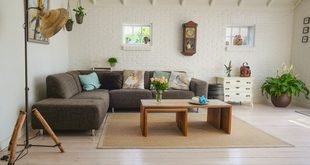
You could start with a modern sofa and add a vintage coffee table. An old wooden sideboard can provide storage while a contemporary floor lamp adds useful lighting.
A modern rug can also help connect everything together.
Another idea is to use modern cushions and throws on an older chair. This simple update can make the chair feel more connected to the rest of the room.
Try not to place every old piece together in one corner. Spread them around the room so the style feels intentional.
Mix Old and New Furniture in the Bedroom
The bedroom can benefit from a softer combination of old and new furniture.
A modern bed with an old wooden bedside table can create a warm appearance. You could also use a vintage dresser with modern lamps on top.
An antique mirror can work particularly well in a bedroom because it adds decorative interest without taking up much floor space.
For a calm look, keep the colors simple. Soft bedding in cream, white, beige, or muted colors can help different furniture styles feel connected.
Mix Old and New Furniture in the Dining Room
A dining room is another excellent place to combine old and new pieces.
An old wooden dining table can become the center of the room. Instead of matching it with traditional chairs, try modern upholstered or simple wooden chairs.
This creates contrast while keeping the table as the main attraction.
You can also use a contemporary pendant light above an older dining table. The contrast between the old table and modern lighting can make the room feel updated without removing its character.
Use a Rug to Connect Different Styles
A rug can act as a bridge between old and new furniture.
This is especially useful when the furniture pieces have very different finishes.
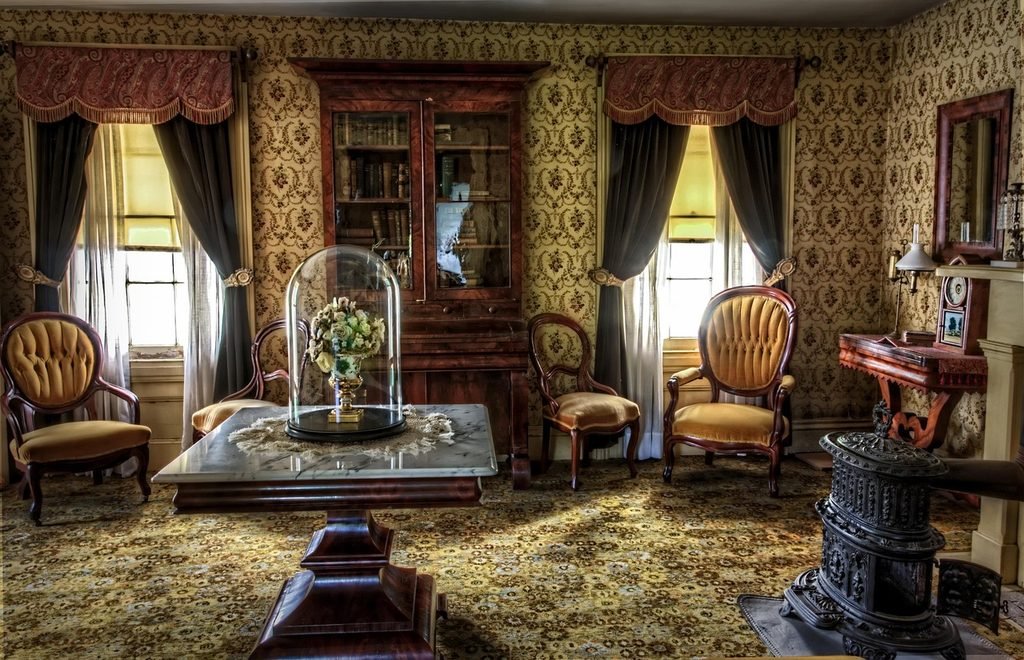
A modern neutral rug can soften a room containing dark antique furniture. A traditional patterned rug can add warmth to a modern sofa and coffee table.
When choosing a rug, look at the colors already present in the room. Try to select a design that includes at least one or two colors from your furniture.
The rug does not need to match everything. It simply needs to help the different elements feel connected.
Add Artwork Carefully
Artwork is another simple way to bring different furniture styles together.
You could place modern artwork above an antique cabinet or use a traditional painting in a room with contemporary furniture.
The important thing is to think about scale and color.
A very small picture above a large cabinet may look lost. A large artwork can create a stronger relationship between the furniture and the wall.
Gallery walls can also work well because they allow different styles of artwork to exist together. The frame colors can be repeated elsewhere in the room to create a sense of consistency.
Do Not Try to Match Everything
One common mistake when decorating is trying to make every item match perfectly.
When mixing old and new furniture, matching everything can actually remove some of the charm.
Instead of asking whether every item matches, ask whether the pieces work together.
A modern chair does not need to have the same wood finish as an antique table. A vintage cabinet does not need to match the color of a contemporary sofa.
Look for relationships in color, shape, material, scale, or texture.
This creates a room that feels collected rather than manufactured.
Repeat Shapes and Lines
Shape is often overlooked when people mix furniture styles.
A modern round coffee table can work with an old curved chair because both have softer shapes. A rectangular antique cabinet can look good with a modern rectangular rug.
Repeating similar shapes creates a quiet connection between furniture pieces.
You can also mix straight and curved lines intentionally. A modern sofa with clean lines can become more interesting when paired with a vintage chair that has curved arms.
The goal is not perfect symmetry. The goal is visual balance.
Give Every Piece Some Space
Furniture needs room to breathe.
This is particularly important when combining different styles because too many objects can make the room feel messy.
Avoid placing furniture so close together that individual pieces lose their identity.
For example, if you have an old side table, allow some space around it instead of filling every nearby surface with decorations.
A little empty space can actually make your favorite furniture more noticeable.
Update Old Furniture Without Losing Its Character
Sometimes old furniture needs a small refresh.
You do not always need to completely repaint or rebuild it. Cleaning, polishing, changing hardware, or replacing damaged fabric may be enough.
For example, an old dresser can look fresh with simple new handles. An older chair can become useful again after being reupholstered.
However, before changing an antique piece, consider whether its original appearance is part of its value and character.
In many cases, keeping some signs of age makes the furniture more attractive.
Avoid Too Many Contrasting Styles
Mixing furniture does not mean putting every style in the same room.
If you combine modern, farmhouse, industrial, rustic, vintage, traditional, and bohemian furniture all at once, the result can become difficult to organize.
Try to focus on two or three main influences.
For example, modern and vintage furniture can work beautifully together. Rustic and contemporary pieces can also create a warm combination.
Having a clear direction makes decorating much easier.
Use Lighting to Balance the Room
Lighting can change how old and new furniture look together.
Warm lighting can make wooden furniture feel more welcoming. Modern lamps can also provide a clean contrast against older furniture.
Try using more than one light source. A ceiling light can provide general lighting, while table lamps and floor lamps can create a softer atmosphere.
An old lamp can also become a decorative feature in a modern room if its shape and size work with the surrounding furniture.
Add Accessories That Connect Everything
Small accessories can help create a relationship between different furniture pieces.
Cushions, books, vases, blankets, baskets, mirrors, plants, and decorative objects can all be used to repeat colors and textures.
For example, if your old furniture has warm wood tones, you can repeat those tones through picture frames or small decorative objects.
Plants are also useful because natural greenery can soften both modern and traditional furniture.
The key is to decorate with intention. Too many small objects can make the room feel cluttered.
Common Mistakes to Avoid
There are a few mistakes that can make mixed furniture look unplanned.
The first is using too many statement pieces. If every item demands attention, nothing becomes the main feature.
The second is ignoring scale. A small vintage chair may look strange beside an oversized sectional if the proportions are not balanced.
The third is using too many unrelated colors. A simple color palette usually makes mixed furniture easier to manage.
Another mistake is placing all the old furniture together. This can make one side of the room look traditional while the other side looks completely modern.
Spread different pieces around the room so the styles interact with each other.
A Simple Formula for Mixing Old and New Furniture
If you are unsure where to start, try this simple approach.
Choose one large modern piece, such as a sofa or bed.
Add one strong old piece, such as a cabinet, table, or dresser.
Then add two or three smaller items that connect the colors and materials.
Finish the room with a rug, artwork, lighting, and a few accessories.
This method keeps the room simple while still giving it personality.
Final Thoughts
Learning how to mix old and new furniture in one room does not require expensive furniture or professional decorating skills. It is mostly about balance, color, scale, texture, and personal taste.
I think the best rooms are usually the ones that feel collected over time. A new sofa can sit beside a table that has been in the family for years. A modern lamp can stand on an old cabinet. A contemporary rug can bring together furniture from completely different periods.
You do not have to choose between old and new furniture. Both can have a place in the same room.
Start with the pieces you already love, choose a simple color connection, pay attention to size, and avoid filling every corner. With a little patience, you can create a room that feels comfortable, stylish, and personal without looking overly designed.
The beauty of mixing old and new furniture is that your home can tell a story. New pieces represent your current taste, while older pieces can remind you of the past. When they are combined thoughtfully, the result is a room that feels like your own rather than a copy of someone else’s home.