 pqaoo
pqaoo
Living in a small home can be comfortable, but keeping everything organized can sometimes feel difficult. Cleaning supplies are one of those things that quickly create clutter because we usually need several products for different areas of the house. You may have bathroom cleaners, dishwashing products, laundry supplies, glass cleaners, brushes, sponges, cloths, and other items. When all of these things are placed in different corners, finding what you need can become frustrating.
The good news is that you do not need a large storage room to organize cleaning supplies. With a little planning, you can make use of small spaces and keep your cleaning products easy to find.
I have found that the best approach is to first understand what you actually use and then give every item a specific place. Once everything has a home, cleaning becomes much easier because you spend less time looking for supplies.
In this guide, I will share practical ways to organize cleaning supplies in a small home while keeping your space neat, safe, and easy to manage.
Why Organizing Cleaning Supplies Matters
Cleaning products can take up more space than we realize. A few bottles under the kitchen sink can quickly turn into a crowded collection of sprays, powders, sponges, and brushes.
Good organization has several benefits.
First, it saves time. You know exactly where your cleaning products are when you need them.
Second, it reduces unnecessary buying. When supplies are organized, you can easily see what you already have. This prevents you from purchasing another bottle simply because you could not find the first one.
Third, an organized storage area makes cleaning easier. When everything is within reach, there is less hesitation before starting a cleaning task.
Most importantly, proper storage can make cleaning products safer, especially in homes where children or pets may have access to lower cabinets.
Start by Removing Unused Cleaning Products
Before organizing cleaning supplies, take everything out of your current storage areas. This could be the cabinet under the sink, a laundry shelf, a bathroom cupboard, or another storage space.
Place everything together so you can see what you have.
Now check each product carefully.
Ask yourself a few simple questions.
Do I still use this product?
Is the container damaged?
Is the product expired or too old to use?
Do I have several products that perform almost the same job?
Is the label still readable?
If you find products that you no longer need, dispose of them according to the instructions on the label and local disposal rules.
This step is important because organizing unnecessary items only creates a better looking version of the same clutter.
Group Cleaning Supplies by Purpose
One of the easiest ways to organize cleaning supplies is to group similar items together.
Instead of putting products wherever there is empty space, create simple categories.
You could have one group for kitchen cleaning, another for bathroom cleaning, another for laundry, and another for general household cleaning.
For example, kitchen supplies might include dish soap, surface cleaner, sponges, scrub brushes, and dishwasher products.
Bathroom supplies could include toilet cleaner, bathroom spray, a toilet brush, and cleaning cloths.
Laundry supplies might include detergent, stain remover, and fabric care products.
General cleaning supplies could include glass cleaner, microfiber cloths, dusters, and multipurpose cleaner.
Grouping products makes it easier to find what you need without searching through every bottle.
Use the Space Under the Kitchen Sink
The cabinet under the kitchen sink is often one of the most useful storage areas in a small home. Unfortunately, it can also become one of the messiest.
The pipes underneath the sink take up valuable space, so you need to organize around them.
Start by placing smaller cleaning products in containers or bins. Bins make it easier to pull several items out at once.
You can create one bin for dishwashing supplies and another for general kitchen cleaning products.
Keep frequently used items toward the front. Products that you rarely use can go farther back.
Do not simply stack bottles on top of each other. This makes it difficult to reach the items at the bottom and can cause spills.
A small shelf or adjustable organizer can also help create additional levels of storage.
Make Use of Cabinet Doors
The inside of a cabinet door is often completely unused.
In a small home, every bit of storage space matters. A suitable door mounted organizer can hold lightweight cleaning tools and smaller supplies.
You may be able to store sponges, brushes, gloves, or cloths there, depending on the type of organizer and cabinet.
Before installing anything, check the weight limit and make sure the cabinet door can close properly.
This simple idea can create extra storage without taking up additional floor space.
Store Cleaning Supplies Where You Use Them
A common organization mistake is keeping every cleaning product in one location.
Central storage can work well for some homes, but it may not always be practical.
Think about where you use each product.
Bathroom cleaning supplies can be kept near the bathroom if there is a safe storage area.
Laundry products can stay close to the washing machine.
Kitchen cleaning products can be stored under the kitchen sink.
This approach saves time because you do not have to carry products from one side of the home to another every time you clean.
However, keep safety in mind. Cleaning chemicals should be stored securely and away from children and pets.
Use Small Storage Bins
Small storage bins are extremely useful when organizing cleaning supplies in a small home.
Instead of having loose bottles and brushes scattered across a cabinet, place related items together in a bin.
Choose bins that fit your available space. You do not need very large containers.
For example, a narrow bin can hold cleaning cloths and sponges, while a slightly taller bin can hold spray bottles.
Clear containers can be particularly helpful because you can see what is inside without opening them.
You can also label containers according to their purpose.
Simple labels such as Kitchen, Bathroom, Laundry, and General Cleaning make it easier for everyone in the household to return items to the correct location.
Organize Cleaning Tools Vertically
Small homes often have limited horizontal storage space. This is why vertical organization can make such a big difference.
Instead of placing brushes and dusters flat on a shelf, look for ways to store them upright.
A suitable holder can keep brushes together and prevent them from falling over.
Long handled cleaning tools can sometimes be stored in a narrow corner, closet, or utility area using appropriate holders.
Vertical storage keeps tools organized while leaving more room for bottles and containers.
Before using a storage solution, make sure the items are secure and cannot fall easily.
Keep Microfiber Cloths Organized
Cleaning cloths are small, but they can create a surprising amount of clutter.
Instead of keeping them in a random pile, fold them and store them in a small basket or drawer.
You can also separate cloths according to their use.
For example, kitchen cloths can be kept separately from bathroom cleaning cloths.
This simple system makes it easier to grab a clean cloth when needed.
It also makes laundry easier because you can quickly identify which cloths need washing.
Create a Simple Cleaning Supply Station
If your home is extremely small, creating one dedicated cleaning supply station can be very helpful.
This does not need to be a large cabinet.
A small shelf, narrow closet, cabinet, or storage corner can work.
Keep your most important supplies together and arrange them according to frequency of use.
Products used every day should be easy to reach.
Products used once a week can be placed slightly farther back.
Products used only occasionally should go in less accessible areas.
This creates a practical system without requiring a large amount of storage space.
Avoid Buying Too Many Cleaning Products
One of the biggest reasons cleaning storage becomes crowded is buying too many products.
Modern stores offer cleaners for almost every surface and room. While some specialized products can be useful, you may not need dozens of different bottles.
Before buying a new cleaner, check whether you already have something suitable for the task.
A smaller collection is usually easier to organize than a large collection.
This does not mean you should ignore product instructions or use products for purposes they were not designed for. Always read the label and follow the manufacturer’s directions.
The goal is simply to avoid unnecessary accumulation.
Use a Rolling Cart If You Have Floor Space
A small rolling cart can be useful if you have a narrow unused area.
For example, a slim cart may fit between a washing machine and a wall or in another suitable space.
You can use different levels of the cart for different supplies.
The top section can hold frequently used products, while lower sections can hold cloths, brushes, or other items.
The advantage of a rolling cart is that you can move your cleaning supplies from room to room when necessary.
However, make sure the cart is stable and that cleaning products are stored securely.
Make a Separate Place for Cleaning Gloves
Cleaning gloves should have their own small storage area.
After using gloves, clean them according to their care instructions and allow them to dry properly before storing them.
Do not place wet gloves inside a closed container because moisture can create an unpleasant environment.
A small hook or ventilated storage area can work well.
Keeping gloves in one place also means you will not have to search for them before starting a cleaning task.
Store Sponges and Brushes Properly
Sponges and brushes need special attention because they can remain damp after use.
Do not immediately place wet cleaning tools inside a closed cabinet or container.
Allow them to dry properly first.
A ventilated holder can help keep cleaning tools separated and allow air to circulate.
Replace cleaning tools when they become worn, damaged, or difficult to clean properly.
This is a small habit, but it can make your cleaning storage area much cleaner and more pleasant.
Keep Dangerous Products Secure
Safety should always come before organization.
Many cleaning products contain chemicals that can be harmful if swallowed, inhaled, or exposed to the skin or eyes.
Keep such products in their original containers whenever possible. Do not transfer chemicals into food or drink containers because this can create a serious safety risk.
Follow the storage instructions on the product label.
Keep cleaning chemicals away from children and pets. If necessary, use child resistant cabinet locks or store products in a secure location that children cannot reach.
Also, never mix cleaning chemicals unless the product instructions specifically say that it is safe to do so. Some combinations can create dangerous fumes.
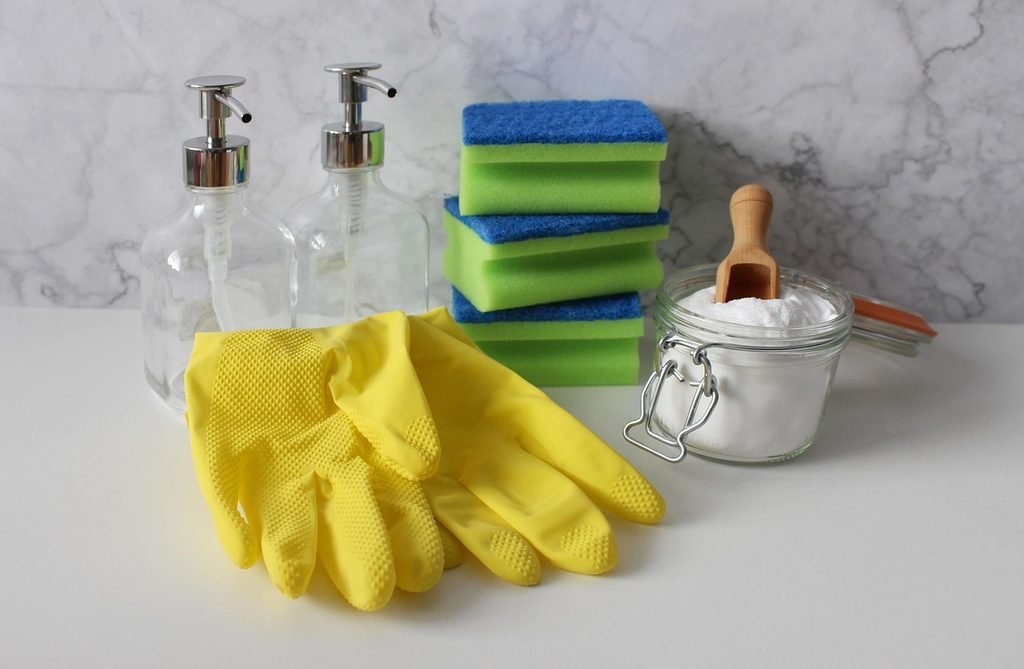
Use Labels to Make Organization Easier
Labels may seem unnecessary, but they can make a big difference in a small home.
A simple label tells everyone where an item belongs.
You can label baskets as Kitchen Cleaning, Bathroom Cleaning, Laundry, Cloths, or Cleaning Tools.
The labels do not need to look fancy.
The important thing is that they are easy to read.
When every item has a specific place, putting things away becomes much easier.
Keep Frequently Used Supplies at Eye Level
When arranging a cabinet or shelf, think about how often you use each product.
Items used frequently should be placed where you can easily see and reach them.
Less frequently used products can be stored higher or farther back.
This simple arrangement reduces unnecessary movement and keeps the storage area practical.
It also makes it easier to notice when a product is running low.
Check Your Cleaning Supplies Regularly
Organization is not a one time project.
Even a well organized cabinet can become messy again if you do not maintain it.
Once every few weeks, spend a few minutes checking your cleaning supplies.
Return misplaced products to their proper locations.
Remove empty containers.
Clean up any small spills.
Check whether you are running low on important supplies.
This short maintenance routine prevents a small mess from becoming a major organization problem.
Avoid Overfilling Storage Areas
A storage space should not be packed completely full.
If every inch of a cabinet is occupied, it becomes difficult to remove one item without moving several others.
Try to leave a little room between groups of supplies.
This extra space makes the cabinet easier to use and maintain.
It also gives you somewhere to place a replacement product when you buy one.
Remember that good organization is not about fitting the maximum number of things into a small space. It is about making the space useful.
Create a Cleaning Routine
Organized cleaning supplies are even more helpful when combined with a simple cleaning routine.
Instead of waiting until your entire home needs attention, divide cleaning into manageable tasks.
You might clean the kitchen regularly, wash the bathroom on a set day, and handle laundry according to your household needs.
When supplies are already organized, these tasks become easier because everything you need is ready.
A simple routine also reduces the chance of cleaning products being left around the home.
Final Thoughts
Organizing cleaning supplies in a small home does not require expensive storage systems or a large utility room. The most important thing is to use the space you already have wisely.
Start by removing products you no longer need. Group similar supplies together and store them close to the areas where they are used. Use small bins, shelves, door organizers, and vertical storage when appropriate.
Pay special attention to safety. Keep chemicals in their original containers, follow label instructions, and store potentially harmful products where children and pets cannot reach them.
The biggest lesson I have learned about home organization is that simple systems are usually the easiest to maintain. You do not need a perfect storage room. You simply need to know where each item belongs.
Once your cleaning supplies have a proper place, even a small home can feel more spacious and easier to manage. A few minutes of organization can save you much more time later, and it can make everyday cleaning feel less stressful.
Frequently Asked Questions
What is the best place to store cleaning supplies in a small home?
The best location depends on your home. Under the kitchen sink, a laundry cabinet, a bathroom storage area, or a small utility closet can all work. Keep supplies close to where they are used while following safety instructions.
How can I organize cleaning supplies without a closet?
Use cabinets, small baskets, narrow shelves, door organizers, and vertical storage solutions. You can also use a small rolling cart if you have a suitable space.
How should I organize cleaning products under the sink?
Remove unnecessary items first. Then group products by purpose and place them in small bins. Keep frequently used products toward the front and make sure bottles are stored securely.
Should cleaning products be kept in their original containers?
Yes. Keeping products in their original containers helps preserve important labels and safety information. Avoid transferring chemicals into containers that could be mistaken for food or drinks.
How often should I organize cleaning supplies?
A quick check every few weeks is usually enough for routine maintenance. You can also reorganize the storage area whenever it starts becoming difficult to find things.
How do I keep cleaning supplies safe around children?
Store potentially harmful cleaning products in a secure location that children cannot access. Depending on your home, child resistant cabinet locks may provide an additional layer of protection.
Is it better to have many specialized cleaning products?
Not necessarily. Many homes can function well with a smaller collection of suitable products. Before buying something new, check what you already have and always follow product instructions for the surfaces and tasks they are intended for.