 pqaoo
pqaoo
Making compost at home is one of the easiest ways to improve garden soil without spending a lot of money on commercial products. I have found that compost becomes especially useful when you have a small home garden because even a little amount can make a noticeable difference in the health of your plants. Kitchen scraps, dry leaves, grass clippings, and other natural materials that might normally go into the trash can become valuable organic matter for your garden.
The good thing about learning how to make compost for a small home garden is that you do not need a large backyard or expensive equipment. A simple compost bin, a few natural materials, some moisture, and a little patience are usually enough.
In this guide, I will explain how to make compost at home, what materials to use, what materials to avoid, and how to know when your compost is ready.
What Is Compost?
Compost is a dark, natural material created when organic waste breaks down over time. It contains nutrients and organic matter that can improve garden soil and support healthy plant growth.
Compost is sometimes called black gold by gardeners because good compost can make poor soil more useful. It helps improve soil structure, supports beneficial microorganisms, and helps the soil hold moisture.
Instead of throwing vegetable peels, dry leaves, and other suitable organic waste into the garbage, you can turn them into something useful for your garden.
For a small garden, you do not need to produce huge amounts of compost. Even a small compost pile can provide enough material for flower pots, vegetable beds, herbs, and other plants.
Why Make Compost at Home?
There are several reasons I like the idea of making compost at home. The first is that it reduces household waste. A surprising amount of kitchen waste can be composted instead of being thrown away.
Another advantage is that homemade compost improves the quality of garden soil. If your soil feels hard, dries out quickly, or does not hold nutrients well, adding finished compost can help improve it.
Compost can also reduce the need for some commercial soil amendments. You are recycling materials that you already have at home.
For gardeners with limited space, composting also provides a simple way to become more sustainable without making major changes to the garden.
Choose the Right Composting Space
The first step in making compost for a small home garden is choosing a suitable location.
You do not need a huge open area. A small corner of the garden, patio, balcony, or outdoor space can work depending on the composting method you choose.
If you have a garden, select a place that is easy to reach. You will be adding materials regularly, so carrying kitchen scraps across the entire yard can become inconvenient.
A location with good airflow is helpful. The compost should not be completely sealed from air because microorganisms need oxygen to break down the organic material efficiently.
Avoid placing the compost container directly against structures where moisture could cause problems.
If you live in an apartment or have very limited outdoor space, a small covered compost container can be a practical alternative.
Pick a Compost Bin
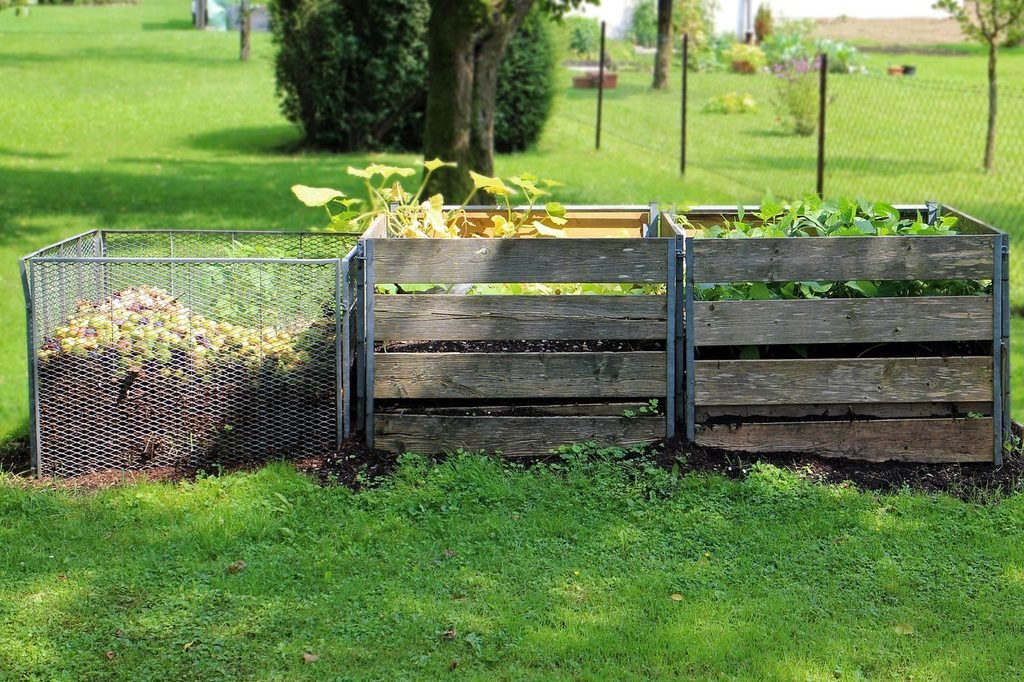
A compost bin keeps your materials together and makes the process easier to manage.
For a small home garden, a simple plastic or wooden container can work. You can also buy a compost bin designed specifically for home use.
The important thing is that the container should allow some airflow and provide enough space for the materials to mix.
Do not choose a container that is unnecessarily large. A smaller garden usually produces less organic waste, so a compact compost bin can be easier to manage.
If you are using a plastic container, make sure it has ventilation holes. Good airflow helps prevent the pile from becoming overly wet and smelly.
A compost bin with a lid can also help protect the materials from heavy rain and unwanted animals.
Understand Green and Brown Materials
One of the most important parts of composting is understanding the difference between green and brown materials.
Green materials are generally rich in nitrogen. Examples include fresh grass clippings, vegetable scraps, fruit scraps, coffee grounds, and fresh plant material.
Brown materials are generally rich in carbon. Examples include dry leaves, cardboard, untreated paper, small dry branches, and straw.
A healthy compost pile needs a mixture of both.
If you add too many green materials, the pile may become wet and develop an unpleasant smell. If you add too many dry brown materials, decomposition may become slow.
I find it easier to think of compost as a balance between fresh and dry materials rather than trying to measure every ingredient perfectly.
Green Materials You Can Compost
Many common kitchen and garden materials can become part of your compost.
Suitable green materials include:
Vegetable peels
Fruit scraps
Coffee grounds
Tea leaves
Fresh grass clippings
Fresh plant trimmings
Small amounts of fresh weeds without mature seeds
Old vegetables
Small amounts of fresh leaves
These materials provide nitrogen and moisture that help microorganisms work.
Try to cut larger pieces into smaller pieces before adding them. Smaller pieces usually break down faster because microorganisms can reach more surface area.
For example, instead of putting a whole vegetable into the compost bin, cut it into smaller pieces.
Brown Materials You Can Compost
Brown materials provide carbon and help create structure inside the compost pile.
Good brown materials include:
Dry leaves
Dry grass
Untreated cardboard
Plain paper
Small twigs
Straw
Dry plant stems
Untreated wood chips
If you are adding cardboard, remove plastic tape and glossy parts first. Tear the cardboard into smaller pieces so it mixes more easily with the other materials.
Dry leaves are particularly useful in a home compost pile. If you have trees around your home, collect some leaves during the season and keep them in a dry place for later use.
Materials You Should Not Add
Not every type of household waste belongs in a home compost pile.
Avoid adding meat, fish, bones, dairy products, oily foods, and greasy leftovers to a simple backyard compost bin. These materials can attract unwanted animals and may create unpleasant odors.
Pet waste should also generally be kept out of a basic home compost pile, especially waste from cats and dogs.
Do not add plastic, glass, metal, synthetic fabric, or chemically treated materials.
Avoid adding plants that are heavily diseased. Some diseases can survive the composting process if the pile does not reach suitable temperatures.
It is also better to avoid weeds that contain mature seeds because the seeds may survive and later grow in your garden.
When you are unsure about an item, it is safer to leave it out until you know that it is suitable for composting.
How to Start a Compost Pile
Once you have your bin and materials ready, starting the compost pile is simple.
Begin with a layer of brown material at the bottom. Dry leaves, small twigs, or shredded cardboard can work well.
Add a layer of green material on top.
Then add another layer of brown material.
Continue adding green and brown materials as they become available.
You do not need to create perfectly even layers every time. The main goal is to maintain a reasonable balance between moist nitrogen rich materials and dry carbon rich materials.
If the materials are very dry, add a little water. The pile should be moist but not soaked.
A useful way to describe the ideal moisture level is similar to a damp sponge that has been squeezed out.
Keep the Compost Moist
Moisture is important because microorganisms need water to live and work.
However, too much water can cause problems. A compost pile that is constantly wet may have poor airflow and begin to smell.
On the other hand, a completely dry pile may decompose very slowly.
Check your compost occasionally. If it feels dry, add a small amount of water and mix the materials.
If it feels extremely wet, add dry leaves, shredded cardboard, or another suitable brown material.
This simple adjustment can make a big difference.
Turn the Compost Regularly
Turning compost means mixing the materials so that air can reach different parts of the pile.
You can use a garden fork, small shovel, or compost aerator to turn the material.
For a small compost bin, you do not need to turn it every day. Mixing it occasionally is usually enough to improve airflow and encourage decomposition.
If the pile starts smelling bad, turning it may help because unpleasant odors can develop when there is not enough oxygen.
When turning compost, mix the material from the outside toward the center. This helps expose less decomposed material to the conditions inside the pile.
How Long Does Compost Take?
The time required to make compost depends on the materials, temperature, moisture, airflow, and how often you turn the pile.
Some compost piles can produce finished compost in a few months under good conditions. Other piles may take longer.
Do not worry too much about the exact number of days.
Instead, look at the condition of the compost.
Finished compost usually becomes dark brown or nearly black. It should have a loose texture and an earthy smell.
You should not be able to easily recognize most of the original materials.
Some tough pieces, such as small sticks or thick stems, may remain. These can be removed or returned to the compost pile.
How to Know When Compost Is Ready
Knowing when compost is ready is easier than many beginners expect.
Finished compost usually looks dark and crumbly. It should smell like healthy soil rather than rotten food.
The original ingredients should have mostly disappeared.
If you can still clearly identify large amounts of fresh vegetable scraps, leaves, and grass, the compost probably needs more time.
Do not rush this stage. Immature compost can continue breaking down after you add it to your garden and may temporarily affect the availability of nutrients.
Giving the compost extra time is usually the better choice.
How to Use Homemade Compost in a Small Garden
Once your compost is ready, you can use it in several ways.
One simple method is to mix compost into garden soil before planting.
For vegetable beds, spread a layer over the soil and gently mix it into the upper part of the soil.
You can also add a small amount around established plants as a soil amendment. Avoid placing thick piles directly against plant stems.
Compost can also be useful when preparing soil for flowers and herbs.
For container plants, mix a moderate amount of finished compost with suitable potting soil. Avoid filling a container entirely with compost because plants usually perform better in a balanced growing medium.
Compost for Potted Plants
Small gardens often include pots and containers, so homemade compost can be especially useful here.
When preparing potting soil, you can combine finished compost with quality potting soil and other suitable ingredients.
The exact mixture depends on the type of plant.
For herbs and many flowering plants, a modest amount of finished compost can provide organic matter and nutrients.
Always make sure the compost is fully finished before using it in containers.
Fresh compost may contain materials that are still decomposing and can be too strong for delicate plants.
Common Composting Problems
Composting is fairly simple, but beginners sometimes face a few common problems.
Bad Smell
A strong rotten smell usually means the pile is too wet or does not have enough airflow.
Add dry brown materials and turn the pile.
Compost Is Too Dry
If the pile looks dry and decomposition seems very slow, add a little water.
Mix the materials so moisture spreads evenly.
Compost Is Not Breaking Down
Large pieces break down slowly. Cut kitchen scraps and garden materials into smaller pieces before adding them.
Also check the moisture level and make sure there is enough green material.
Too Many Insects
Some small insects are normal in compost. However, large numbers of unwanted pests can indicate that food scraps are exposed.
Cover fresh kitchen scraps with brown materials such as dry leaves or shredded cardboard.
Avoid adding meat, dairy, and greasy food to a basic home compost pile.
Simple Composting Routine
You do not need to spend hours managing compost.
I recommend keeping a small container in the kitchen for suitable fruit and vegetable scraps. When the container becomes full, take it outside and add the scraps to the compost bin.
Cover the fresh material with a layer of dry leaves or shredded cardboard.
Whenever you have time, give the pile a quick mix.
If the compost looks dry, add some water. If it looks too wet, add dry brown material.
This simple routine is enough for many small home gardens.
Composting in Small Spaces
People often think composting requires a large backyard, but that is not always true.
A compact compost bin can work in a small outdoor area. Some gardeners also use enclosed composting systems designed for balconies or patios.
The main challenge in a small space is controlling moisture and odors.
Because the container is smaller, avoid adding large amounts of wet kitchen waste at once. Balance food scraps with dry leaves, shredded cardboard, or other suitable brown materials.
Keeping the container covered and well ventilated can also make composting easier.
Benefits of Compost for Garden Soil
Regularly adding finished compost can improve several soil properties.
Compost adds organic matter and can help improve soil structure. It can also help soil hold moisture while supporting drainage.
Healthy soil contains a wide range of microorganisms, and organic matter provides resources for many of them.
For gardeners growing vegetables, herbs, and flowers, maintaining healthy soil can make gardening easier over time.
Compost is not a magic solution for every garden problem, but it is one of the simplest ways to build better soil naturally.
Mistakes to Avoid When Making Compost
One mistake beginners make is adding only kitchen scraps. Food waste contains a lot of moisture, so the pile can quickly become too wet.
Another common mistake is adding too many dry materials. The pile may then become slow and inactive.
Ignoring airflow is another problem. Compost needs oxygen, so occasional turning can help.
Some people also add unsuitable materials because they assume everything natural can be composted. This is not true. Some natural materials can attract pests, carry disease, or cause other problems.
Finally, do not expect finished compost immediately. Good compost takes time.
Final Thoughts
Learning how to make compost for a small home garden is a simple skill that can make gardening more rewarding. You can turn many everyday organic materials into something useful instead of sending them to the trash.
The basic process is straightforward. Choose a suitable compost bin, combine green and brown materials, maintain the right moisture level, provide airflow, and give the pile enough time to break down.
You do not need expensive equipment or a large garden to get started.
Once you begin composting regularly, you may notice that your household produces less waste and your garden has a useful supply of organic material. For me, that is one of the best parts of composting. Something as ordinary as a vegetable peel or a pile of dry leaves can eventually become part of healthier garden soil.
If you are new to composting, start small and learn as you go. There is no need to make the process complicated. With a little patience and regular care, even a small home garden can benefit from homemade compost.