 pqaoo
pqaoo
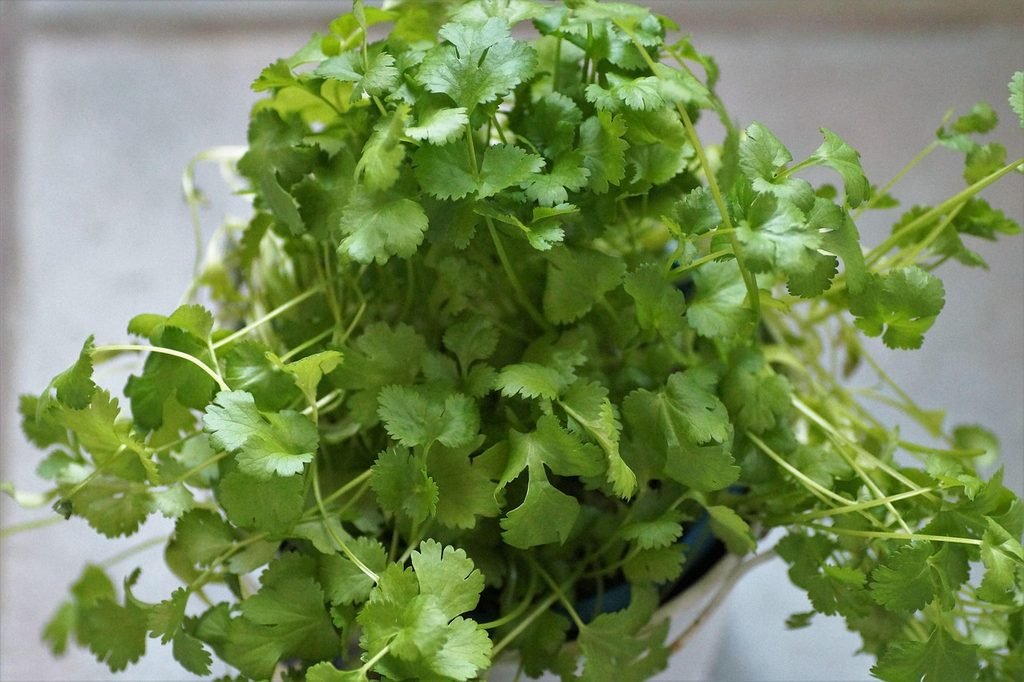
Growing coriander in containers is one of the easiest ways to enjoy fresh herbs at home. You do not need a large garden or a lot of gardening experience. A small balcony, patio, terrace, windowsill, or sunny corner can be enough to grow healthy coriander.
Coriander is also known as cilantro in many parts of the world. Both the leaves and seeds of the plant are useful in cooking. Fresh coriander leaves can add flavor to curries, soups, salads, chutneys, rice dishes, and many other meals. The seeds are also used as a popular spice.
I have found that coriander grows especially well in containers when you pay attention to sunlight, soil, watering, and harvesting. The main challenge is that coriander can sometimes grow quickly and produce flowers before you get enough leaves. With the right method, however, you can enjoy fresh coriander for a much longer time.
In this guide, I will explain how to grow coriander in containers successfully, from choosing the right container and seeds to watering, feeding, harvesting, and solving common problems.
Why Grow Coriander in Containers?
There are several good reasons to grow coriander in containers. The first is convenience. You can keep the container close to your kitchen, making it easy to pick fresh leaves whenever you need them.
Container gardening also gives you better control over the soil and growing conditions. If the soil in your garden is poor, heavy, or filled with weeds, you can simply use a good quality potting mix in a container.
Another benefit is that coriander does not require a huge amount of space. Even a medium sized pot can produce a useful amount of fresh leaves.
Growing coriander at home can also save money over time. Instead of buying small bunches from the market, you can harvest what you need from your own container.
Choose the Right Container for Coriander
Choosing the right container is an important first step. Coriander develops a long central root, so a container that is reasonably deep will give the roots enough room to grow.
A container that is around 8 to 12 inches deep is usually a good choice. The width can depend on how much coriander you want to grow.
You can use a traditional clay pot, plastic container, wooden planter, or another suitable gardening container. The material is less important than proper drainage.
Make sure the container has drainage holes at the bottom. Excess water needs a way to escape. If water remains trapped around the roots, coriander can develop root problems and may stop growing properly.
If you want a continuous supply of coriander, using two or three containers can be more useful than growing everything in one pot.
Select Good Coriander Seeds
Good quality seeds can make a noticeable difference when growing coriander in containers.
Use seeds that are fresh and suitable for planting. Avoid using old seeds that have been stored for a very long time because their germination rate may be lower.
One useful trick is to gently crush or split coriander seeds before planting. A coriander seed is actually made up of two small sections. Lightly separating them can help with germination.
However, do not crush the seeds into powder. The goal is only to separate them gently.
You can purchase coriander seeds from a garden store or use whole coriander seeds from the kitchen if you know they have not been treated or roasted.
For the best results, I prefer using seeds specifically sold for planting because they are usually selected for growing purposes.
Prepare the Soil
Coriander grows best in loose, fertile, and well drained soil.
For container gardening, you can prepare a simple potting mixture using garden soil, compost, and a material that improves drainage.
A useful mixture can contain about two parts good quality soil, one part compost, and one part coarse material such as perlite or another suitable drainage improving material.
The soil should hold enough moisture for the plant without becoming waterlogged.
Adding compost is helpful because coriander needs nutrients for healthy leaf growth. Well decomposed compost can improve the texture of the soil while providing natural nutrients.
Before planting, remove large stones, pieces of roots, and other unwanted material from the soil.
How to Plant Coriander Seeds in a Container
Once your container and soil are ready, planting coriander is quite simple.
Fill the container with your prepared potting mixture. Leave a small amount of space near the top so water does not immediately run over the edge.
Spread the coriander seeds across the surface. Try not to place all the seeds in one small area.
Cover the seeds with a thin layer of soil. They do not need to be buried deeply. A light covering is usually enough.
Water the soil gently after planting. Avoid using a strong stream of water because it can move the seeds around or bury them too deeply.
Keep the soil lightly moist while waiting for germination.
Under suitable conditions, coriander seeds may begin to germinate within several days, although the exact time can vary depending on seed quality, temperature, moisture, and growing conditions.
How Much Sunlight Does Coriander Need?
Sunlight is very important when growing coriander in containers.
Coriander generally grows well with several hours of sunlight each day. Morning sunlight can be especially useful because it provides good light without the intense heat that can occur later in the day.
In cooler weather, coriander can usually tolerate more direct sunlight. During very hot weather, however, strong afternoon sunlight can cause the plant to become stressed.
If your area becomes extremely hot, placing the container where the plant receives morning sun and some afternoon shade can help.
The goal is to provide enough light for healthy growth while protecting the plant from excessive heat.
Watering Coriander in Containers
One of the most important parts of coriander container care is proper watering.
Coriander likes consistently moist soil, but it does not like sitting in water.
Check the surface of the soil regularly. If the top layer feels dry, water the plant gently.
The amount of water required will depend on the weather, container size, soil mixture, and location. Containers exposed to strong sunlight and hot temperatures can dry out much faster than containers kept in a cooler place.
Always check the soil instead of following a strict watering schedule.
When watering, apply enough water to moisten the soil thoroughly. If excess water comes out through the drainage holes, that is usually a good sign that the container is draining properly.
During rainy or humid weather, you may need to water less often.
Feeding Coriander Plants
Coriander usually does not need heavy feeding if the soil contains enough organic matter.
If you prepared the container with good compost, the plants may grow well without frequent fertilizer.
However, if the leaves appear pale or growth becomes weak, the plant may benefit from a mild balanced fertilizer.
Avoid using too much fertilizer. Excessive feeding can cause problems and may produce large amounts of soft growth that is not as healthy.
For a home container garden, I generally prefer improving the soil with compost rather than relying heavily on synthetic fertilizers.
How to Keep Coriander Growing Longer
One of the biggest problems with coriander is bolting.
Bolting means the plant starts producing a flower stalk and eventually develops seeds. Once coriander begins flowering, the plant usually becomes less focused on producing tender leaves.
High temperatures, stress, overcrowding, and allowing the soil to become very dry can encourage coriander to bolt.
You cannot always prevent bolting because it is a natural part of the plant’s life cycle. However, you can delay it.
Keep the soil evenly moist, provide suitable sunlight, and protect the plant from extreme heat.
Another excellent method is succession planting.
Instead of planting all your seeds at the same time, plant a small amount every two or three weeks. This gives you young plants at different stages of growth.
When one container starts flowering, another container can provide fresh leaves.
Avoid Overcrowding
It can be tempting to plant a large number of coriander seeds in a small container. More plants may seem like a good idea, but overcrowding can create problems.
Plants that are packed too closely together compete for light, water, nutrients, and root space.
Good air circulation is also important because crowded plants can remain damp for longer periods.
When seedlings become established, thin out some of the weaker plants if necessary.
You can use the removed young plants in cooking if they are large enough.
How to Harvest Coriander Leaves
Harvesting coriander correctly can help you enjoy the plant while encouraging useful growth.
Once the plants have developed enough leaves, you can start harvesting small amounts.
Instead of removing all the leaves from one plant at once, take only what you need.
Use clean scissors to cut stems from the outside of the plant. Leave enough healthy growth behind so the plant can continue developing.
Young leaves often have a fresh and delicate flavor, while mature leaves have a stronger taste.
Harvesting in the morning can be a good choice because the plants are often well hydrated at that time.
Fresh coriander can be used immediately in cooking or stored carefully in the refrigerator for later use.
Can You Grow Coriander From Store Bought Seeds?
Yes, coriander seeds sold as a spice can sometimes grow into coriander plants, but the results are not guaranteed.
The main issue is that some commercially sold seeds may have been processed, heated, old, or stored under conditions that reduce their ability to germinate.
If you want reliable results, use seeds specifically labeled for planting.
If you already have whole coriander seeds in your kitchen, you can still try a small batch. It can be an interesting experiment.
Common Problems When Growing Coriander
Even though coriander is relatively easy to grow, you may face a few problems.
Seeds Are Not Germinating
Poor germination can happen because of old seeds, incorrect planting depth, dry soil, or unsuitable temperatures.
Make sure the seeds are fresh and do not bury them too deeply.
Keep the soil lightly moist while waiting for seedlings.
Coriander Is Turning Yellow
Yellow leaves can have several causes.
Overwatering is one common problem. If the soil stays wet for too long, roots may struggle.
Nutrient deficiency can also cause pale leaves.
Check the drainage first and make sure the container is not holding excess water.
Coriander Is Growing Tall and Thin
Tall and weak growth can happen when plants do not receive enough light.
Move the container to a brighter location where the plant can receive suitable sunlight.
Overcrowding can also contribute to weak growth.
Coriander Is Flowering Too Quickly
Fast flowering is often connected with heat and plant stress.
If temperatures are high, provide some protection from intense afternoon sunlight.
Keep the soil consistently moist and consider succession planting so you always have younger plants available.
Leaves Have Small Insects
Small insects can sometimes appear on coriander plants.
Inspect the leaves regularly, especially underneath the leaves.
If you notice pests, remove heavily affected leaves and wash the plant gently with water.
Keeping plants healthy and avoiding overcrowding can also help reduce pest problems.
Best Time to Grow Coriander in Containers
The best time to grow coriander depends on your local climate.
Coriander generally prefers cooler conditions and may struggle during very hot weather.
In areas with mild winters, coriander can often be grown during the cooler months.
If your climate has very hot summers, starting coriander during the cooler season can produce better results.
Because container gardening gives you flexibility, you can move the pots to a more suitable location when weather conditions change.
Growing Coriander Indoors
You can also grow coriander indoors if you have a bright location.
A sunny windowsill can work well, provided the plant receives enough light.
Choose a container with drainage holes and use a good potting mixture.
Indoor coriander may grow more slowly than outdoor plants if light levels are low.
If the plant becomes weak and stretched, it may need a brighter location.
Avoid placing the container directly beside a very hot heating source because excessive heat can dry the soil quickly.
Growing Coriander From Cuttings
Unlike some herbs, coriander is not usually propagated effectively from ordinary stem cuttings.
Growing coriander from seeds is generally the easiest and most reliable method.
This is another reason why keeping a small packet of good quality coriander seeds at home can be useful.
Once you learn how to grow coriander from seed, you can start new containers whenever needed.
How to Grow Coriander for a Continuous Harvest
If your goal is to have fresh coriander throughout the season, do not depend on one container.
Use a simple succession planting system.
Plant the first container and wait until the seedlings become established. After a couple of weeks, plant another container.
Continue this process according to your space and how much coriander your household uses.
This approach means that when the first batch becomes mature or starts flowering, younger plants are already growing in another container.
For a small home garden, this can be much more practical than trying to keep one coriander plant alive indefinitely.
Tips for Growing Healthy Coriander in Containers
There are a few simple habits that can make a big difference.
Choose a container with good drainage.
Use fresh and suitable coriander seeds.
Do not plant the seeds too deeply.
Keep the soil lightly moist.
Give the plant enough sunlight.
Protect coriander from extreme afternoon heat.
Avoid overcrowding.
Use compost to maintain soil fertility.
Harvest leaves regularly but gently.
Plant new seeds every few weeks for a continuous supply.
Watch for early signs of pests and plant stress.
These simple steps can make container coriander gardening much easier.
Frequently Asked Questions
How deep should a container be for coriander?
A container around 8 to 12 inches deep is a good starting point because coriander develops a central root and benefits from sufficient root space.
How often should I water coriander in a container?
Water when the top layer of soil begins to feel dry. The exact frequency depends on temperature, sunlight, humidity, container size, and soil type.
Does coriander need full sun?
Coriander needs good sunlight for healthy growth, but in very hot weather it can benefit from protection from intense afternoon sun.
Why does my coriander flower so quickly?
Heat and plant stress are common reasons coriander flowers early. Keeping the soil moist and protecting the plant from extreme heat can help delay flowering.
Can coriander grow in a small pot?
Yes, coriander can grow in a relatively small container, although a deeper container is better for healthy root development.
How long does coriander take to grow?
Coriander can begin germinating within several days under suitable conditions. Harvest time depends on the variety and growing environment, but young leaves can usually be harvested once the plants have developed enough growth.
Can coriander grow indoors?
Yes. Coriander can grow indoors if it receives sufficient light, has good drainage, and is planted in suitable soil.
Final Thoughts
Learning how to grow coriander in containers successfully is much easier than many beginners expect. You do not need a large garden or expensive equipment. A suitable container, quality seeds, good soil, sunlight, and careful watering are enough to get started.
The most important thing I have learned about growing coriander is that small and regular planting is often better than trying to grow a huge amount at once. Coriander naturally has a relatively short useful leaf producing period, especially when the weather becomes hot. Succession planting can help solve this problem.
If you give your coriander plants enough light, maintain reasonable moisture, provide good drainage, and protect them from extreme heat, you can enjoy fresh green leaves from your own container garden.
The best part is that coriander is useful in everyday cooking. You can simply step outside, cut a few fresh leaves, wash them, and add them to your meal.
For anyone starting a small container garden, coriander is a practical herb to grow. It takes little space, does not require complicated equipment, and can give you fresh flavor whenever you need it.