 pqaoo
pqaoo
Starting a small garden can be a simple and enjoyable way to bring more greenery into your home. You do not need a large backyard or a garage full of expensive equipment to grow healthy plants. In a small garden, a few useful gardening tools can make planting, watering, pruning, and cleaning much easier.
When I first started learning about gardening, I noticed that beginners often buy too many tools without knowing which ones they actually need. Some tools are useful for large gardens but are unnecessary when you are working with pots, containers, raised beds, or a small patch of soil.
The best approach is to start with basic gardening tools that are comfortable to use and easy to store. Once you become more confident, you can add other tools according to the plants you grow.
In this guide, I will explain the best gardening tools for beginners with small gardens, what each tool is used for, and how to choose the right options without spending too much money.
Why Choosing the Right Gardening Tools Matters
Gardening becomes much easier when you have the right tools. A good tool can help you complete a task quickly while reducing the effort needed.
For example, trying to loosen hard soil with your hands can be uncomfortable. A small hand trowel can do the same job much more easily. Similarly, cutting branches with an unsuitable tool can damage the plant.
Small gardens also have limited space. You may not have enough room to store large shovels, long handled rakes, or bulky equipment. This is why compact gardening tools are often a better choice for beginners.
Before buying anything, think about your garden size, the type of plants you want to grow, and the tasks you will perform most often.
1. Hand Trowel
A hand trowel is one of the most useful tools for a beginner gardener. If I had to choose only a few tools for a small garden, a hand trowel would definitely be on my list.
It is a small handheld tool with a pointed or rounded metal blade. You can use it to dig small holes, plant flowers, transplant seedlings, and add soil to containers.
A hand trowel is especially useful for container gardening because you can work carefully around small plants without disturbing their roots.
When choosing a trowel, look for one with a comfortable handle and a strong blade. A lightweight design is usually easier for beginners to control.
2. Hand Pruner
A hand pruner, also called pruning shears, is another important gardening tool. It is designed for cutting small stems, branches, dead flowers, and damaged plant parts.
Regular pruning can help plants maintain a neat shape and encourage healthy new growth. It can also help remove damaged parts before they become a bigger problem.
For a small garden, you do not need a large pruning tool. A compact pair of sharp hand pruners is normally enough for flowers, herbs, vegetables, and small ornamental plants.
Always clean your pruners after use, especially when cutting diseased plant material. Keeping the blades clean can help reduce the chance of spreading problems between plants.
3. Gardening Gloves
Gardening gloves are simple, but I consider them essential. Soil can dry your hands, and some plants have sharp edges or rough stems.
A good pair of gardening gloves protects your hands while giving you enough flexibility to handle seeds and small plants.
For beginners, lightweight gloves are usually a good choice. Look for gloves that fit properly and allow your fingers to move comfortably.
If you work with wet soil frequently, choose gloves made from a material that offers some water resistance.
4. Small Garden Fork
A small garden fork is useful when you need to loosen soil around plants. Its narrow metal prongs can break up compacted soil and help improve air movement through the growing medium.
It can also be useful for mixing compost into soil and removing small weeds.
A hand fork is particularly practical for raised beds, containers, and small garden spaces because it is easier to control than a full sized garden fork.
If your garden contains hard soil, a strong hand fork can save you a lot of effort.
5. Watering Can
Every garden needs water, and a watering can is one of the easiest ways to provide it.
For a small garden, I prefer a watering can that is easy to carry and does not hold an unnecessarily large amount of water. A smaller container is easier to control when watering delicate seedlings or plants in pots.
Look for a watering can with a comfortable handle and a removable rose if possible. The rose spreads the water over a wider area and creates a gentler flow.
This is particularly useful for young plants because a strong stream of water can disturb loose soil or damage small seedlings.
6. Garden Hose With Adjustable Nozzle
If your small garden is close to a water source, a garden hose can be very convenient.
An adjustable nozzle allows you to change the water flow. You can use a gentle spray for young plants or a stronger stream for cleaning garden surfaces.
However, you do not necessarily need a hose if you only have a few containers. A watering can may be more practical for a balcony garden or a small collection of pots.
Think about your garden before buying one. The best gardening tools are the ones you will actually use.
7. Hand Weeder
Weeds compete with garden plants for water, nutrients, light, and growing space. Removing them regularly can keep your garden healthier.
A hand weeder is designed to help remove weeds from the soil. Some models have a narrow tip that can reach into tight spaces around plants.
This tool is particularly helpful in small gardens because you can remove weeds without disturbing nearby plants.
When removing weeds, try to pull out as much of the root as possible. If only the top part is removed, some weeds can grow back quickly.
8. Small Garden Rake
A small garden rake can help collect fallen leaves, grass, and other garden debris. It can also help level loose soil before planting.
Large rakes can be difficult to use in narrow spaces. A compact hand rake is easier to handle around pots, raised beds, and closely planted areas.
If you grow plants in containers, a small rake can also help loosen the surface of the potting mix without disturbing the entire root system.
9. Soil Scoop
A soil scoop is very useful for container gardeners. It allows you to move potting mix from a bag into a pot with less mess.
You can also use it to add compost or fertilizer around plants when appropriate.
A soil scoop is not absolutely necessary if you already have a trowel, but it can make container gardening much more convenient.
For anyone growing herbs, flowers, or vegetables in several pots, this is one of those small tools that quickly becomes useful.
10. Measuring Tool
Knowing the right planting depth and spacing can make a difference when growing plants from seeds.
A simple measuring tool can help you follow the recommended planting depth instead of guessing.
Some gardening rulers include markings for common seed planting depths. However, you can also use an ordinary ruler if you want to keep your gardening expenses low.
For beginners, accurate planting can be especially helpful because seeds planted too deeply or too shallowly may have difficulty growing.
11. Kneeling Pad
Gardening often requires bending or kneeling, especially when working with plants close to the ground.
A gardening kneeling pad provides a comfortable surface while you work. It can also help keep your knees away from wet soil.
This tool is not essential for everyone, but it can be helpful if you spend a lot of time maintaining flower beds or vegetable patches.
For small gardens, a lightweight kneeling pad is easy to store and carry.
12. Garden Bucket
A simple bucket can have many uses in the garden. You can use it to carry soil, compost, weeds, leaves, water, or gardening waste.
You do not need a special gardening bucket. A strong household bucket can work perfectly well.
I find buckets particularly useful during planting and cleaning because they reduce the number of trips between the garden and storage area.
Choose a size that you can comfortably carry when it is full.
13. Plant Labels
Plant labels are inexpensive but useful, especially when you are growing several varieties.
When planting seeds, it can be easy to forget what you planted in each container. Labels allow you to record the plant name and sometimes the planting date.
This can be particularly helpful when growing herbs and vegetables because several seedlings can look very similar during their early stages.
You can buy reusable plant labels or make simple labels from household materials.
14. Garden Scissors
Garden scissors are useful for smaller cutting jobs. They can be used for harvesting herbs, removing dead flowers, cutting soft stems, and opening seed packets.
They are different from heavy duty pruning shears because they are better suited to lighter tasks.
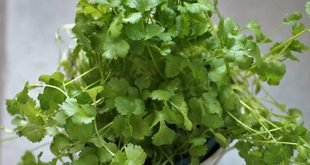
If you grow herbs such as basil, coriander, mint, or parsley, a small pair of garden scissors can make harvesting easier.
Keep them clean and dry after use so they remain sharp and in good condition.
15. Hand Cultivator
A hand cultivator usually has several short metal prongs. It is designed to loosen soil, mix organic matter, and remove small weeds.
It is particularly useful in small beds and containers where a large garden tool would be difficult to use.
For beginners, a hand cultivator can be used alongside a trowel and hand fork to handle most basic soil preparation tasks.
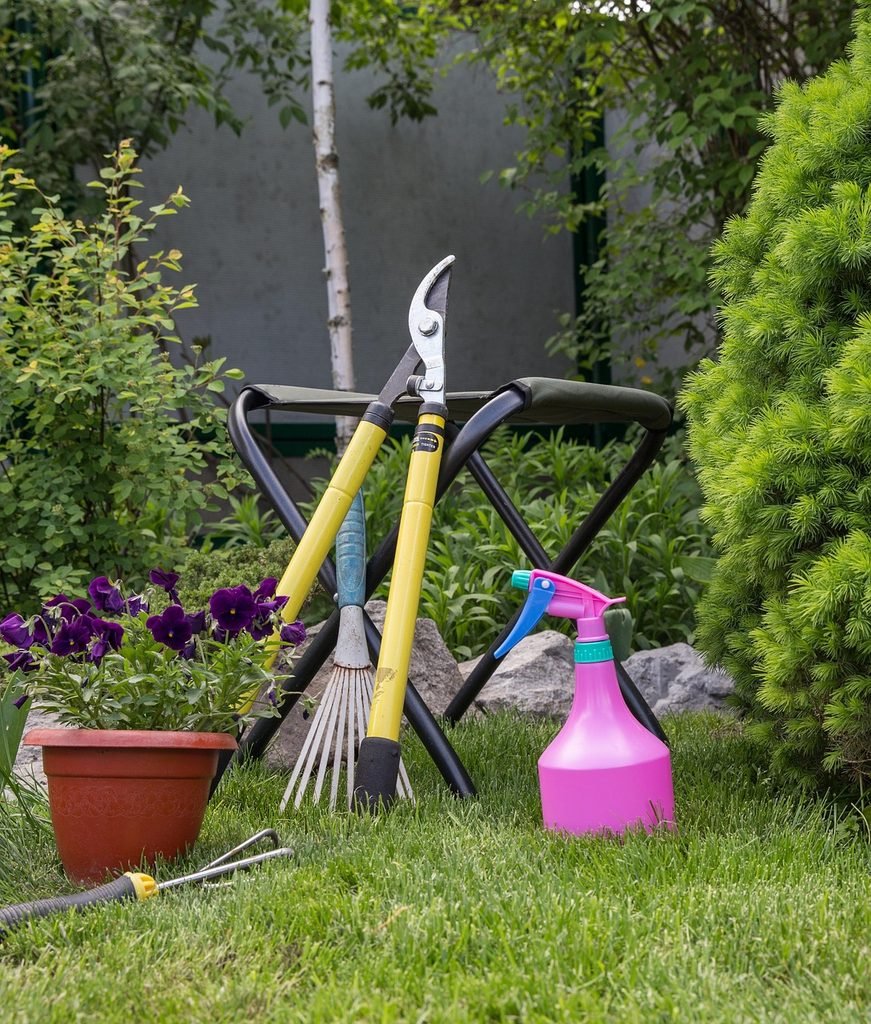
How to Choose the Best Gardening Tools for a Small Garden
Buying gardening tools should not be complicated. Before spending money, consider a few simple points.
Consider Your Garden Size
If you have only a balcony, several pots, or a small raised bed, compact hand tools are usually enough.
A large shovel or oversized rake may take up valuable storage space without providing much benefit.
Choose Comfortable Handles
Gardening involves repetitive movements. Tools with uncomfortable handles can make your hands tired.
Try to choose tools with handles that feel natural in your hand. A comfortable grip is more important than a fancy appearance.
Look for Strong Materials
Cheap tools may seem attractive because they cost less, but very weak tools can bend or break quickly.
Look for sturdy blades and handles. You do not need the most expensive tools, but it is worth choosing products that are built for regular gardening use.
Avoid Buying Everything at Once
This is one of the biggest lessons I would give to a beginner.
You do not need twenty tools on your first day.
Start with a trowel, pruners, gloves, watering can, hand fork, and a simple bucket. After using them for a few weeks, you will understand what additional tools your garden actually needs.
This approach saves money and prevents your storage area from becoming crowded.
Basic Gardening Tool Set for Beginners
If you want to keep things simple, you can start with a small gardening tool set containing the following items:
- Hand trowel
- Hand pruner
- Gardening gloves
- Hand fork
- Watering can
- Hand weeder
- Small garden rake
- Garden bucket
These tools can handle many common gardening jobs.
For container gardening, you can later add a soil scoop, plant labels, garden scissors, and a small measuring ruler.
How to Take Care of Gardening Tools
Taking care of your tools can help them last longer.
After gardening, remove soil from metal blades and prongs. If the tools become wet, dry them before storing them.
Pruning shears should be kept clean and reasonably sharp. Dull blades can make cutting more difficult and may crush plant stems instead of making clean cuts.
Store your tools in a dry place. Avoid leaving metal tools outside in rain because moisture can eventually cause rust.
You can also inspect handles regularly for cracks or loose parts.
Good tool maintenance does not take much time, but it can save money over the long term.
Common Mistakes Beginners Make When Buying Garden Tools
One common mistake is buying tools simply because they look useful.
Another mistake is choosing large tools for a very small garden. A large shovel may be excellent for a large backyard, but it can be inconvenient when working with containers.
Some beginners also buy very cheap tools without checking their quality. Saving money is good, but replacing broken tools again and again can cost more in the long run.
It is better to build a small collection of useful and reliable tools.
Gardening Tools for Container Gardens
If your garden consists mainly of containers, your tool requirements are even simpler.
A hand trowel is useful for planting. A watering can helps you control the amount of water. Pruners can remove damaged leaves and stems, while gloves protect your hands.
A soil scoop is another helpful option because moving potting mix into containers can become messy when using larger tools.
You may also want plant labels if you grow several herbs or vegetables.
The goal is not to collect as many tools as possible. The goal is to have the right tools for the work you actually do.
Gardening Tools for Small Vegetable Gardens
Small vegetable gardens usually require basic soil preparation, planting, watering, weeding, and harvesting tools.
A hand fork can loosen soil, while a trowel can create planting holes. A hand weeder can help control weeds, and pruners or garden scissors can be useful for harvesting and trimming.
A watering can with a gentle rose is especially useful for newly planted vegetables.
As your garden grows, you can add tools based on the crops you choose to grow.
How Much Should Beginners Spend on Gardening Tools?
There is no fixed amount that every beginner should spend.
If you have a small garden, you can start with a basic set without making a large investment. Focus on quality rather than quantity.
It is often better to buy five useful tools that you use regularly than fifteen tools that remain in storage.
You can also look for multipurpose tools. A good hand trowel, for example, can handle planting, transplanting, and moving small amounts of soil.
Final Thoughts
The best gardening tools for beginners with small gardens are simple, practical, and easy to handle. You do not need expensive equipment to create a healthy and beautiful garden.
Start with a few basic tools such as a hand trowel, pruning shears, gardening gloves, hand fork, watering can, and hand weeder. These tools can handle many everyday gardening tasks.
As you gain experience, you will naturally learn which tools are useful for your particular plants and growing space.
For me, the most important thing is not having a large collection of gardening equipment. It is having tools that make gardening easier and more enjoyable.
A small garden can provide plenty of satisfaction when you give your plants regular care. With the right beginner gardening tools and a little patience, you can confidently grow flowers, herbs, vegetables, and other plants even when your available space is limited.