 pqaoo
pqaoo
Keeping plants at home is a simple way to make a room feel fresh, peaceful, and more welcoming. However, many people avoid indoor plants because they think plants need constant attention. If you have a busy job, a family, studies, or a packed daily routine, you may not have enough time to water and care for plants every day.
The good news is that many beautiful indoor plants are naturally easy to care for. The best low maintenance indoor plants can handle missed watering, different light conditions, and occasional neglect. This makes them perfect for busy people who want greenery at home without adding another difficult task to their routine.
I have always found that choosing the right plant is more important than buying a plant simply because it looks attractive. Some plants need regular watering and bright sunlight, while others can remain healthy with very little attention. In this guide, I will explain some of the best low maintenance indoor plants, how to care for them, and how to choose the right plant for your home.
Why Choose Low Maintenance Indoor Plants?
Low maintenance indoor plants are ideal for people who want the beauty of nature without spending a lot of time on plant care. They are especially useful for beginners because they are generally more forgiving when you make small mistakes.
One of the biggest benefits is that these plants do not usually require daily watering. In fact, watering too often can cause more problems than forgetting to water for a few days.
Easy care indoor plants can also improve the appearance of a room. A small plant on a desk can make a workspace feel more comfortable, while a larger plant can add life to an empty corner.
Another advantage is that many low maintenance plants can adapt to indoor environments. They can often survive in normal household temperatures and do not need complicated equipment.
1. Snake Plant
The snake plant is one of the best low maintenance indoor plants for busy people. It is popular because it can tolerate neglect better than many other houseplants.
Snake plants have tall leaves that grow upward and are available in several attractive patterns. They work well in bedrooms, living rooms, offices, and hallways.
One reason snake plants are easy to care for is their ability to tolerate periods of dry soil. You do not need to water them frequently. Allow the soil to dry between watering sessions.
Snake plants can grow in bright indirect light, but they can also tolerate lower light conditions. This flexibility makes them a good choice for rooms that do not receive strong sunlight.
The most common mistake is overwatering. If the soil stays wet for too long, the roots can develop problems. A pot with drainage holes is therefore very important.
2. ZZ Plant
The ZZ plant is another excellent choice for people with busy schedules. It has thick, glossy leaves and a naturally attractive appearance.
This plant stores water in its underground structures, which helps it survive when watering is delayed. Because of this, it is often recommended for beginners.
The ZZ plant can tolerate low light, although moderate indirect light can help it grow better. It does not need constant attention, making it suitable for offices and rooms where you may not spend much time.
Water the plant only when the soil has dried out. During cooler months, you may need to water it even less often.
If you want a plant that looks elegant but does not demand much care, the ZZ plant is worth considering.
3. Pothos
Pothos is one of the easiest indoor plants to grow. It is particularly useful if you want a plant with trailing vines.
Pothos can look beautiful when placed on a shelf, cabinet, or hanging planter. Its leaves come in different shades and patterns depending on the variety.
This plant can tolerate a range of indoor lighting conditions. Bright indirect light is usually ideal, but pothos can also survive in lower light.
Water when the top part of the soil feels dry. If you forget occasionally, the plant can often recover without serious problems.
Another reason I like pothos is that it grows relatively quickly under suitable conditions. You can allow the vines to trail naturally or trim them when they become too long.
4. Spider Plant
Spider plants are another excellent option for busy households. They have long, narrow leaves that create a fresh and lively appearance.
Spider plants prefer bright indirect light but can adapt to moderate indoor light. They do not require complicated care.
Water the plant when the soil begins to dry. Avoid keeping the roots constantly wet because excessive moisture can lead to root problems.
Spider plants can also produce small plantlets along their stems. These baby plants can eventually be separated and grown in their own pots.
For someone who wants an attractive plant with a slightly fuller appearance, the spider plant can be a great choice.
5. Cast Iron Plant
The cast iron plant has a reputation for being extremely tough. Its name itself suggests how durable it can be.
This plant is useful for people who do not have a lot of time for gardening. It can tolerate lower light conditions and does not require frequent watering.
The leaves are usually broad and attractive, making the plant a good option for adding greenery to darker areas of the home.
Keep the plant away from extremely strong direct sunlight, especially if the indoor location becomes hot. Water when the soil starts to dry.
The cast iron plant grows slowly, which can actually be an advantage for busy people because it does not require frequent pruning or repotting.
6. Peace Lily
Peace lilies are attractive indoor plants known for their green leaves and elegant white flowers. Although they need slightly more attention than a snake plant or ZZ plant, they are still relatively easy to manage.
Peace lilies prefer indirect light. They generally do better when they receive enough filtered light rather than being placed in a very dark corner.
One useful feature is that a peace lily may droop when it needs water. This can serve as a reminder for people who sometimes forget their plants.
However, you should not allow the plant to remain severely dry for long periods. Water when the upper part of the soil becomes dry.
If you want a flowering houseplant that still has fairly simple care requirements, a peace lily can be a good option.
7. Aloe Vera
Aloe vera is a popular indoor plant that can be surprisingly easy to maintain. It has thick, fleshy leaves that store water.
Because of this water storage ability, aloe vera does not need frequent watering. It generally prefers bright light, so placing it near a sunny window can work well.
Use a well draining soil mix because aloe vera does not like sitting in wet soil. Allow the soil to dry before watering again.
Aloe vera can be especially attractive in kitchens, sunny windows, or small indoor plant collections.
8. Jade Plant
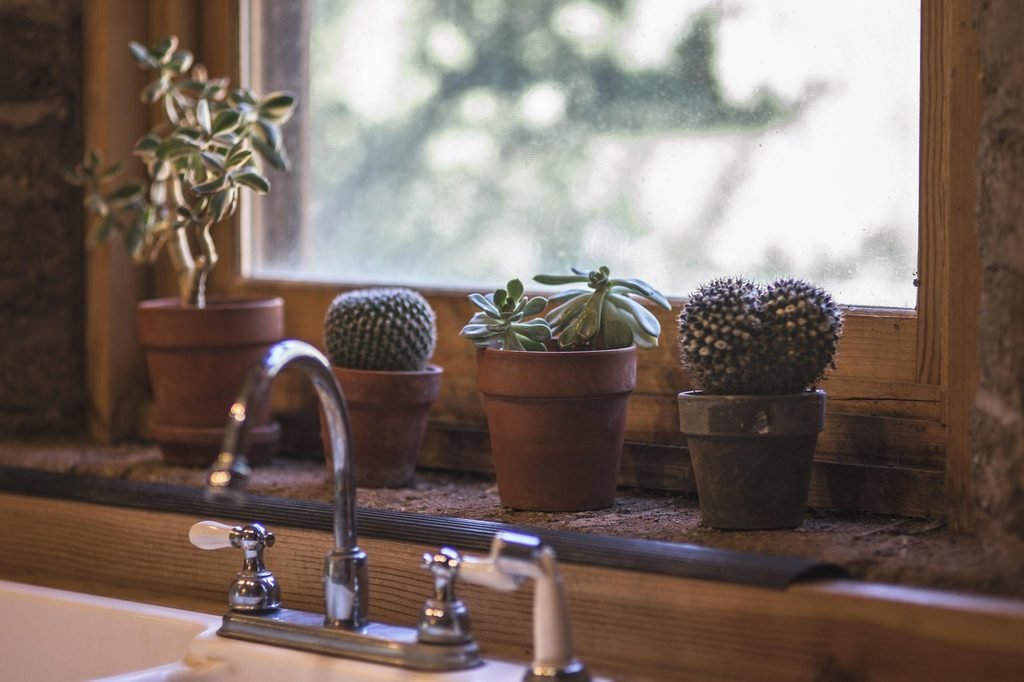
Jade plants are popular succulents with thick stems and fleshy leaves. They can live for many years when given suitable conditions.
Jade plants prefer bright light. A location near a bright window can help them remain healthy and maintain their attractive shape.
They store water in their leaves, so frequent watering is unnecessary. Allow the soil to dry between watering sessions.
The biggest mistake with jade plants is usually too much water. If you are someone who tends to water plants whenever you see them, it is better to develop the habit of checking the soil first.
9. Rubber Plant
Rubber plants are a good choice if you want something larger than a small desk plant. They have broad leaves and can become an attractive feature in a living room.
They generally prefer bright indirect light, although they can adapt to moderate indoor conditions.
Water when the upper portion of the soil becomes dry. Try not to keep the soil constantly wet.
A rubber plant may need occasional cleaning because its broad leaves can collect dust. Wiping the leaves gently with a soft damp cloth can help them look fresh.
10. Chinese Evergreen
Chinese evergreen is well suited to indoor environments and is available in several leaf patterns.
It can tolerate lower light conditions, which makes it useful for rooms without large windows. It also does not require daily care.
Allow the soil to dry somewhat between watering sessions. The exact watering schedule depends on the temperature, light, pot size, and soil.
This plant can add color and texture to an indoor space without requiring a complicated routine.
How to Choose the Best Indoor Plant for Your Lifestyle
The best low maintenance indoor plant is not necessarily the same for everyone. Before buying a plant, think about your home and your daily routine.
First, consider the amount of natural light available. A bright room gives you more choices, while a darker room may require plants that tolerate low light.
Second, think about how often you can realistically water. If you travel frequently or spend long hours away from home, choose plants that tolerate dry periods.
Third, consider the size of your space. A small apartment may be better suited to pothos, spider plants, snake plants, or small succulents. A larger home can accommodate rubber plants or other larger houseplants.
Finally, think about how much maintenance you actually enjoy. Some people like pruning and repotting, while others simply want a plant that can grow quietly in the corner.
How Often Should You Water Low Maintenance Indoor Plants?
There is no single watering schedule that works for every indoor plant. This is one of the most important lessons I learned about houseplant care.
Instead of watering based only on the calendar, check the soil. Push your finger gently into the top layer of soil. If it still feels damp, you may not need to water.
If the soil feels dry, it may be time to water. When you do water, give enough water for some moisture to reach the lower part of the pot, then allow excess water to drain away.
Factors such as room temperature, humidity, pot size, plant size, soil type, and light can all affect how quickly the soil dries.
Common Mistakes Busy Plant Owners Should Avoid
Even easy care indoor plants can struggle if they are given the wrong conditions.
The first common mistake is overwatering. Many beginners believe that more water means healthier plants, but this is not always true.
The second mistake is choosing a plant without checking its light requirements. A plant that needs bright light may struggle in a dark room.
Another mistake is using a pot without drainage holes. Excess water needs somewhere to escape.
It is also important not to repot plants unnecessarily. Repotting can be useful when a plant has outgrown its container, but doing it too often can create unnecessary stress.
Finally, do not panic when a few leaves change color or fall. Some leaf loss can be normal, especially when plants adjust to a new environment. Look at the overall condition of the plant before deciding there is a serious problem.
Easy Indoor Plant Care Routine for Busy People
You do not need to spend hours caring for houseplants. A simple weekly routine can be enough for many low maintenance indoor plants.
Once a week, look at your plants and check the soil. Remove any dead leaves and check for obvious signs of pests.
Rotate plants occasionally if they are receiving light from only one direction. This can help them grow more evenly.
Clean dusty leaves when necessary, especially on plants with broad leaves.
You can also keep similar plants together based on their watering needs. This makes your routine easier because you can check several plants at the same time.
The key is consistency rather than spending a lot of time every day.
Best Low Maintenance Plants for Offices
If you work in an office or from home, some plants are particularly convenient.
Snake plants and ZZ plants are excellent choices because they tolerate lower light and irregular watering. Pothos can also work well on shelves or desks where its vines can grow downward.
A small jade plant can be suitable for a bright desk near a window.
When choosing an office plant, remember that air conditioning and heating can change the temperature and humidity around the plant. Keep plants away from strong air vents whenever possible.
Best Indoor Plants for Beginners
If you are completely new to houseplants, start with one or two forgiving varieties instead of buying a large collection.
Snake plant, ZZ plant, pothos, spider plant, and cast iron plant are all worth considering.
Starting small gives you a chance to learn how plants respond to your home environment. Once you understand watering and lighting, you can gradually add more varieties.
I think this approach is much better than buying many plants at once and then feeling overwhelmed by their different needs.
Final Thoughts
The best low maintenance indoor plants make it possible to enjoy greenery even when life is busy. You do not need to become an expert gardener or spend time caring for plants every day.
Snake plants, ZZ plants, pothos, spider plants, cast iron plants, peace lilies, aloe vera, jade plants, rubber plants, and Chinese evergreen are some of the easiest options to consider.
The most important thing is to choose a plant that matches your home conditions and your lifestyle. Pay attention to light, check the soil before watering, use pots with drainage holes, and avoid giving your plants more water than they need.
Once you find the right plants, indoor gardening becomes much simpler. Even with a busy schedule, you can create a greener and more relaxing home with just a little regular attention. The goal is not to spend more time caring for plants. The goal is to choose plants that fit naturally into the life you already have.