 pqaoo
pqaoo
Indoor plants can make a room feel fresh, peaceful, and alive. However, keeping indoor plants healthy is not only about watering them regularly. Light is one of the most important things plants need for healthy growth. When an indoor plant does not receive enough light, it may slowly start showing signs that are easy to miss at first.
I have learned that many indoor plant problems are actually related to poor lighting. A plant may look weak, grow very slowly, develop pale leaves, or lean strongly toward a window. These signs can tell you that the plant needs more light.
In this guide, I will explain how to tell when an indoor plant needs more light, what low light does to plants, where to place indoor plants, and how to improve lighting without damaging the plant.
Why Light Is Important for Indoor Plants
Plants need light to make their food through a natural process called photosynthesis. During photosynthesis, plants use light energy along with water and carbon dioxide to produce the energy they need for growth.
This means that even if you provide good soil and water, an indoor plant may struggle if it does not get enough light.
Different plants need different amounts of light. Some plants can survive in low light conditions, while others need several hours of bright indirect light every day.
A common mistake is thinking that a room that looks bright to our eyes is also bright enough for a plant. Human eyes are very good at adjusting to different levels of light. A room may seem bright to you but still provide much less light than a plant needs.
For this reason, it is useful to learn the signs of low light in indoor plants.
1. Your Plant Is Growing Very Slowly
One of the first signs that an indoor plant needs more light is slow growth.
If your plant normally produces new leaves but suddenly stops growing, the amount of light may be one reason. Plants need enough light energy to support new growth. When light is limited, the plant may conserve energy instead of producing new leaves and stems.
Slow growth does not always mean that the plant needs more light. Poor soil, incorrect watering, low temperatures, pests, and seasonal changes can also affect growth.
However, if your plant is otherwise healthy and still growing much more slowly than expected, check its lighting conditions.
Try moving it closer to a suitable window and observe it for a few weeks. A gradual improvement in new growth can be a good indication that the plant needed more light.
2. The Plant Starts Leaning Toward the Window
Another easy sign to notice is when an indoor plant begins leaning strongly toward a window.
Plants naturally grow toward available light. This behavior is called phototropism. If most of the light is coming from one direction, the stems may slowly bend toward that source.
A small amount of leaning is normal. However, if the entire plant is noticeably reaching toward the window, it may not be receiving enough light from its current position.
You can rotate the pot every few days or once a week so that different sides of the plant receive light. If the plant continues to stretch heavily toward the window, consider moving it closer to a bright location.
3. New Leaves Are Smaller Than Normal
Pay attention to the size of new leaves.
When an indoor plant does not receive enough light, new leaves may be smaller than previous leaves. The plant may still produce growth, but that growth can look weaker and less developed.
Compare new leaves with older healthy leaves on the same plant. If the newer leaves are consistently much smaller, check whether the plant is getting enough light.
This is especially useful because changes in leaf size can appear before more serious symptoms develop.
4. Stems Become Long and Thin
Long, weak, and thin stems are another common sign of insufficient light.
A plant may stretch between leaves as it tries to find a stronger light source. This creates a thin and spaced out appearance.
Gardeners often call this type of stretched growth leggy growth.
For example, you may notice that the spaces between leaves have become much larger than before. The plant may look taller but less full.
This is often a clear signal that the plant is trying to reach more light.
Moving the plant to a brighter location can help future growth become stronger and more compact. However, already stretched stems may not return to their original shape.
5. Leaves Look Pale or Faded
Healthy leaves usually have a color that matches the natural appearance of the plant.
When an indoor plant receives insufficient light, its leaves can sometimes become pale or lose some of their normal color.
This happens because light plays an important role in the plant’s ability to produce and maintain chlorophyll. Chlorophyll is the green pigment that helps plants capture light for photosynthesis.
However, pale leaves can have many causes. Overwatering, nutrient problems, pests, and natural aging can also change leaf color.
Before changing the lighting, look at the overall condition of the plant. If pale leaves appear together with slow growth and stretching, low light becomes a stronger possibility.
6. New Growth Looks Weak
Healthy new growth should generally look firm and properly developed for the type of plant.
If new stems appear weak, thin, or unusually soft, insufficient light may be contributing to the problem.
A plant uses available energy based on the conditions around it. When light is limited, it may produce weaker growth because it does not have enough energy to support strong development.
Look at the newest leaves and stems rather than only older growth. New growth often provides the best information about the plant’s current conditions.
7. The Plant Stops Producing Flowers
If you have a flowering indoor plant, a lack of light can become especially obvious when flowering decreases.
Some plants may produce leaves in lower light but fail to produce flowers. Flowering generally requires more energy than maintaining basic growth.
If your plant previously flowered regularly and has healthy leaves but suddenly stops flowering, check its light exposure.
This does not mean that every non flowering plant needs more light. Flowering also depends on temperature, season, plant maturity, nutrition, and natural growth cycles.
Still, insufficient light is worth considering when flowers disappear without another obvious reason.
8. Leaves Start Falling Off
Leaf drop can sometimes be connected to poor lighting.
When a plant receives very little light for an extended period, it may not have enough energy to maintain all of its leaves. Some plants respond by dropping older leaves.
However, leaf drop is one of the least specific signs because many other problems can cause it.
Overwatering is a common example. Sudden temperature changes, drafts, pests, root problems, and natural aging can also cause leaves to fall.
If leaf drop happens together with weak growth, pale leaves, and stretching, investigate the lighting before making major changes to watering or fertilizer.
9. The Soil Stays Wet for Too Long
This is a less obvious sign of insufficient light.
Plants use water through their roots and lose water through their leaves. When light is low, photosynthesis and overall plant activity can slow down. As a result, the soil may remain wet longer than expected.
If you notice that the soil stays damp for many days, do not automatically add more water.
Check the light level first. A plant sitting in a dark corner may need less frequent watering than the same plant placed near a bright window.
This is why light and watering should be considered together.
10. The Plant Looks Unbalanced
Sometimes the overall shape of a plant tells you more than a single leaf.
A healthy indoor plant usually develops according to its natural growth pattern. When light is available mainly from one direction, the plant may become uneven.
You may see most leaves facing one side while the opposite side becomes bare.
This often happens when a plant is placed far from a window or in a room where artificial and natural light are limited.
Rotating the plant can help create more balanced growth, but improving the overall light level is usually more important.
How Much Light Does an Indoor Plant Need?
There is no single light requirement for every indoor plant.
Low light plants can tolerate less direct sunlight, while bright light plants need considerably more light to grow well.
It is helpful to think about indoor light in three basic categories.
Low Light
Low light does not mean complete darkness.
A low light location may be several feet away from a bright window or in a room with limited natural sunlight.
Some plants can survive in these conditions, including certain snake plants and pothos varieties. However, even plants known for tolerating low light often grow more slowly when light is limited.
Medium or Bright Indirect Light
Bright indirect light is suitable for many popular indoor plants.
This usually means a location where the plant receives plenty of natural brightness without sitting directly under strong sunlight for long periods.
A bright room near a window can often provide this type of environment.
Direct Light
Direct light means sunlight reaches the leaves directly.
Some indoor plants can handle several hours of direct sunlight, while others may develop leaf damage if suddenly exposed to intense sunlight.
The important point is that more light is not always better. The correct amount depends on the plant.
How to Check Your Indoor Plant’s Light
You do not need expensive equipment to start checking your plant’s light.
Begin by observing the location throughout the day.
Notice when sunlight enters the room and how long the area remains bright. Also check whether buildings, curtains, trees, or other objects block the window.
A simple way to compare locations is to place your plant in a brighter position and observe its new growth over several weeks.
You can also use a light meter or a plant light meter app if you want more detailed information. These tools can help you understand whether a particular location is very dim or relatively bright.
However, the plant itself remains an important indicator. Its growth pattern, leaf color, and overall appearance can tell you a lot.
Where Should You Place an Indoor Plant?
The best location depends on the plant.
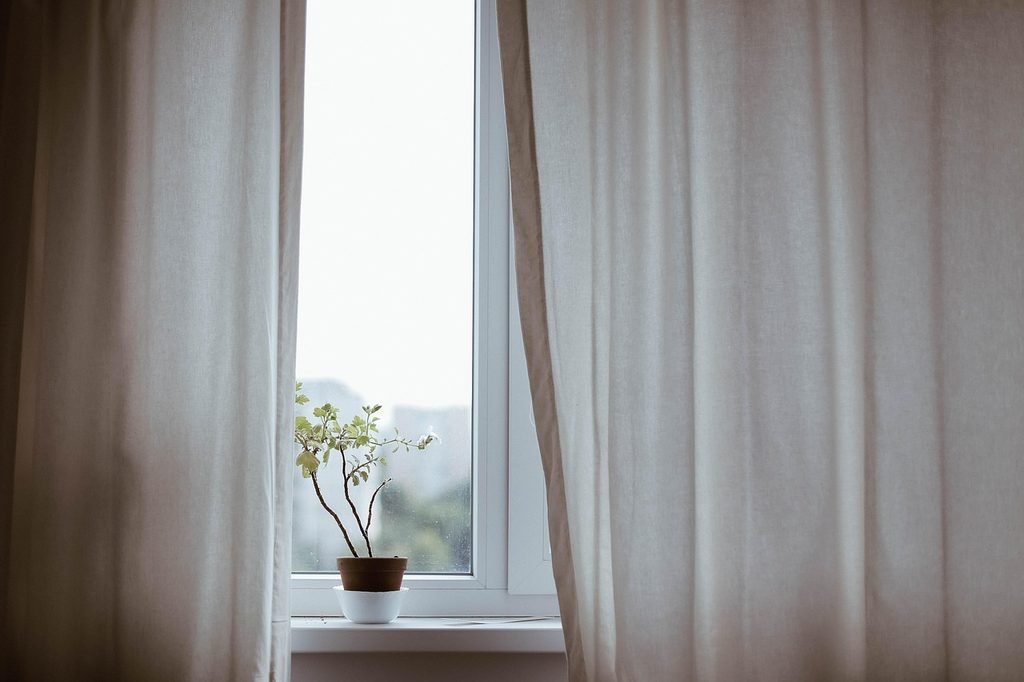
A plant that needs bright light may do well near an east or south facing window, depending on your home and local sunlight conditions. A plant that prefers indirect light may be more comfortable slightly away from the window.
Avoid placing plants permanently in dark corners simply because they look attractive there.
If you want to decorate a darker area, consider choosing a plant that naturally tolerates lower light rather than forcing a bright light plant to survive there.
Also remember that windows can provide very different levels of light. A large unobstructed window can provide much more usable light than a small window blocked by curtains or nearby buildings.
Can Artificial Light Help Indoor Plants?
Yes, artificial grow lights can help when natural light is not enough.
This can be useful in rooms with small windows, apartments with limited sunlight, offices, and areas where plants cannot be placed close to windows.
LED grow lights are commonly used for indoor plants because they are available in many sizes and designs.
The light should be positioned according to the manufacturer’s instructions and the needs of the plant. Avoid placing a powerful grow light extremely close to delicate leaves.
You also need to provide a regular day and night cycle. Plants need darkness as well as light, so leaving a grow light on continuously is not usually necessary.
How to Move an Indoor Plant to More Light
If your plant has been sitting in a dark area for a long time, avoid moving it suddenly into strong direct sunlight.
A sudden change can stress the leaves and may cause sunburn.
Instead, increase the light gradually.
Move the plant closer to a brighter window for part of the day. Over time, you can adjust its position depending on how the leaves respond.
This gradual approach is especially important for plants that have been living in low light for a long period.
Common Mistakes When Giving Plants More Light
One common mistake is assuming that every plant should be placed directly in sunlight.
This can cause problems for plants that prefer bright indirect light.
Another mistake is moving a plant from a dark room directly into intense afternoon sun. Even a plant that enjoys bright conditions may need time to adjust.
A third mistake is ignoring watering after changing the light.
When a plant receives more light, it may use water faster. Therefore, check the soil regularly after moving the plant rather than following the exact same watering schedule.
Do not water automatically just because the plant has been moved to a brighter area. Always check the soil and the plant’s specific requirements.
How Long Does It Take to See Improvement?
Plants do not change overnight.
After improving lighting, you may notice that the plant looks healthier gradually rather than immediately.
New growth is usually a better indicator than old leaves. Existing stretched stems will not necessarily become compact again, but new growth may develop more normally.
Give the plant time to adjust and observe it over several weeks.
Keep the other conditions stable when possible. Avoid changing the light, watering, fertilizer, pot, and soil all at the same time because it becomes difficult to understand what helped.
Final Thoughts
Learning how to tell when an indoor plant needs more light can make indoor plant care much easier.
Slow growth, leaning toward a window, long thin stems, pale leaves, small new leaves, weak growth, and reduced flowering can all be signs that your plant is not receiving enough light. However, these symptoms can also have other causes, so it is important to look at the complete picture.
The best approach is to understand the natural light requirements of your particular plant and then choose a suitable location. If natural light is limited, an appropriate grow light can provide additional support.
In my experience, one of the easiest ways to improve indoor plant care is simply to pay closer attention to where plants are placed. A healthy watering routine cannot completely compensate for poor lighting.
When you give an indoor plant the right amount of light, it has a much better chance of producing strong leaves, healthy new growth, and a naturally attractive shape.