 pqaoo
pqaoo
Indoor plants can make a room feel fresh, peaceful, and more welcoming. They also bring a natural touch to spaces where outdoor gardening is not possible. However, many indoor plants need more humidity than the average home provides, especially during dry weather or when indoor heating and air conditioning are running.
If you notice brown leaf tips, dry edges, curling leaves, or slow growth, low humidity may be one of the reasons. The good news is that you do not always need expensive equipment to solve the problem. There are several easy ways to increase humidity for indoor plants using simple methods at home.
In this guide, I will explain practical ways to increase humidity around your plants, how to know when humidity is too low, and which methods are most useful for different indoor plants.
Why Humidity Matters for Indoor Plants
Humidity means the amount of moisture present in the air. Many popular houseplants come from tropical or subtropical environments where the air naturally contains more moisture than a typical indoor room.
Plants such as peace lilies, ferns, calatheas, prayer plants, orchids, and some types of palms generally appreciate higher humidity. When these plants are kept in very dry air, they may struggle to maintain healthy leaves.
Low humidity can cause several common problems. Leaf tips may become brown and crispy. Leaves can curl inward or develop dry patches. Some plants may also grow more slowly.
Humidity does not replace proper watering. A plant can have moist soil while the surrounding air remains very dry. This is why it is important to look at both soil moisture and air humidity when caring for indoor plants.
How to Tell If Your Indoor Plants Need More Humidity
Before changing the humidity in your home, it helps to understand the signs of dry air.
One common sign is brown leaf tips. If the tips of otherwise healthy leaves become dry and brown, low humidity can be a possible cause. This is especially common with plants that naturally prefer humid conditions.
Another sign is crispy leaf edges. The leaves may look healthy in the center but become dry around the edges.
Leaf curling can also happen when the air is too dry. Some plants curl their leaves as a way of reducing moisture loss.
You may also notice that plants that normally grow quickly have started growing more slowly.
However, these symptoms can have other causes too. Overwatering, underwatering, excessive fertilizer, pests, poor lighting, and temperature stress can create similar problems. That is why it is better to look at the complete care routine rather than assuming every brown leaf is caused by low humidity.
Use a Humidifier
One of the easiest and most effective ways to increase humidity for indoor plants is to use a humidifier.
A humidifier adds moisture directly to the air, making it easier to maintain a consistent humidity level. This is especially useful if you have several tropical plants or live in a naturally dry climate.
You do not necessarily need a large humidifier. A small model can work well for a plant shelf, bedroom, office, or other small area.
Try placing the humidifier near your plants without pointing a strong stream of mist directly at the leaves for long periods. The goal is to increase the moisture in the surrounding air rather than constantly soaking the foliage.
Keeping the humidifier clean is also important. Follow the manufacturer’s cleaning instructions and change the water regularly. A dirty humidifier can create unpleasant odors and spread unwanted particles into the air.
For plants that need higher humidity, a humidifier is usually more reliable than occasional homemade methods.
Place Plants Together
Grouping indoor plants is another simple way to increase humidity naturally.
Plants release water vapor through a process called transpiration. When several plants are placed together, the moisture released by their leaves can create a slightly more humid environment around the group.
This method costs nothing and is very easy to try.
Instead of spreading your humidity loving plants throughout the entire house, place several of them together on a plant stand, table, or shelf.
Make sure there is still enough space for air to move between the plants. Do not create an overcrowded area where leaves remain wet for long periods.
Grouping plants is especially useful when you already have several houseplants and want to improve humidity without buying additional equipment.
Try a Pebble Tray
A pebble tray is a popular home method for increasing humidity around indoor plants.
To make one, place a layer of clean pebbles or small stones in a shallow tray. Add water to the tray, keeping the water level below the top of the pebbles. Then place the plant pot on top of the pebbles.
The pot should sit above the water rather than directly inside it.
As water evaporates from the tray, it can add some moisture to the air immediately around the plant.
A pebble tray is simple and inexpensive, but it should not be considered a replacement for a humidifier if you need to raise humidity significantly. Its effect is generally limited to the small area surrounding the plant.
Check the tray regularly and clean it when necessary. Standing water can attract insects and become dirty over time.
Move Plants Away From Heating Vents
Heating systems can make indoor air very dry. If your plants are sitting directly beside a heater or warm air vent, they may lose moisture more quickly.
Moving plants away from direct heat can make a noticeable difference.
Look around your home for radiators, heating vents, fireplaces, and other sources of dry or hot air. Try to keep humidity loving plants away from direct airflow.
The same idea applies to strong air conditioning. Cold air from an air conditioning vent can also create an uncomfortable environment for some tropical plants.
You do not need to move your plants to another room every time you use heating or cooling. Simply avoiding direct airflow is often a good starting point.
Use the Bathroom for Humidity Loving Plants
The bathroom can naturally have higher humidity than many other rooms in the house.
If your bathroom has enough natural light, it may be a suitable location for certain humidity loving indoor plants.
Plants such as ferns, peace lilies, and some tropical varieties may appreciate the moisture created during showers.
However, humidity alone is not enough. Plants still need suitable light, temperature, and proper watering.
A dark bathroom may not be suitable for plants that require bright indirect light. If your bathroom has little natural light, you may need to use a suitable grow light or choose plants that tolerate lower light conditions.
Let Plants Benefit From Kitchen Humidity
The kitchen can also be a naturally humid area, especially when cooking creates steam.
You can place suitable indoor plants in the kitchen if they have enough light and are protected from excessive heat.
Avoid putting plants directly beside a stove, oven, or other source of intense heat. Sudden temperature changes can stress plants even when humidity is good.
A bright kitchen window can be a useful location for certain houseplants. Just make sure the plant does not receive more direct sunlight than it can handle.
Keep Plants Near Each Other but Not Too Close
Plant grouping can increase local humidity, but overcrowding can create other problems.
When plants are packed tightly together, air circulation becomes poor. Wet leaves may take longer to dry, which can encourage fungal and bacterial problems.
Leave enough room between plants for air to move freely.
A good indoor plant arrangement should provide both humidity and ventilation. You want moist air without creating a constantly damp environment.
This balance is particularly important for plants with dense foliage.
Consider a Plant Humidity Dome
For certain small tropical plants, a humidity dome can help maintain a more humid environment.
A humidity dome is a clear cover placed over a plant or growing area. It traps moisture and creates a humid microenvironment.
This method can be useful for young plants, cuttings, and plants that require consistently high humidity.
However, the dome should not remain completely closed without monitoring. Excessive moisture and poor ventilation can create problems.
Open the dome periodically if needed and watch the plant for signs of excessive condensation, mold, or poor air circulation.
This method is more specialized than simply grouping plants, so it is best used when a particular plant has higher humidity requirements.
Use a Hygrometer to Check Humidity
If you are serious about improving indoor plant care, a small hygrometer can be very helpful.
A hygrometer measures the relative humidity of the air. Instead of guessing whether a room is dry, you can check the actual humidity level.
This is useful because a room can feel comfortable to you while still being relatively dry for a tropical plant.
Place the hygrometer near your plants but avoid putting it directly beside a humidifier outlet. This gives you a better idea of the general humidity around the plants.
Different plants have different preferences, so there is no single humidity level that works perfectly for every indoor plant. Research the needs of each plant and use the hygrometer as a guide.
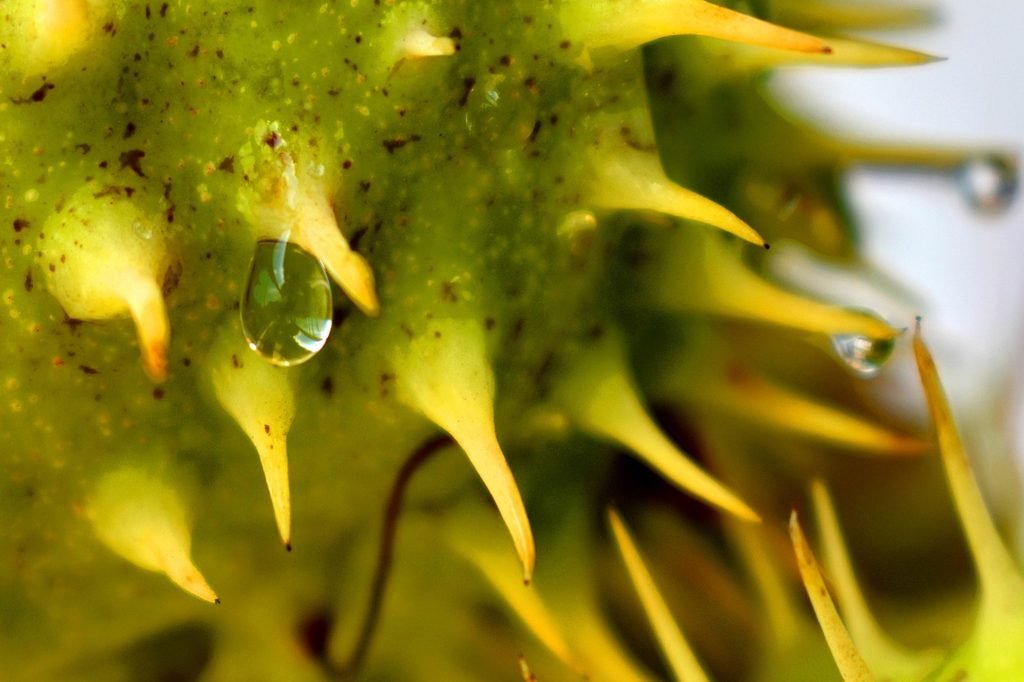
Avoid Overwatering to Increase Humidity
One mistake beginners sometimes make is watering plants more often because the air feels dry.
This can be harmful.
Watering the soil does not provide the same benefit as increasing the humidity of the surrounding air. If you water too frequently, the roots may remain wet for too long.
Overwatering can lead to root problems and other plant health issues.
Instead of using extra water to solve a humidity problem, adjust the humidity separately. Check the soil before watering and follow the plant’s specific watering requirements.
Healthy roots are just as important as healthy leaves.
Should You Mist Indoor Plants?
Misting is often suggested as a simple way to increase humidity for indoor plants.
Although misting can temporarily add moisture to the surface of leaves and the surrounding air, the effect is usually short lived. It is not a reliable way to maintain consistently higher humidity.
Frequent misting can also leave leaves wet for extended periods, especially when air circulation is poor.
Some plants may tolerate occasional misting, but it should not be your main humidity strategy.
If your plants genuinely need higher humidity, grouping them, improving the room environment, or using a humidifier is generally more practical.
Create a Humidity Friendly Plant Corner
If you have several tropical indoor plants, you can create a dedicated humidity friendly corner.
Choose a suitable location with good indirect light. Group plants together and keep them away from direct heating and cooling vents.
You can place a hygrometer nearby to monitor the conditions.
A small humidifier can be added if necessary.
This setup allows you to focus your humidity efforts in one area rather than trying to increase humidity throughout the entire home.
It can also make plant care easier because plants with similar environmental needs can stay together.
Improve Air Circulation
Increasing humidity does not mean eliminating air movement.
Good air circulation is important for indoor plants because stagnant, overly damp conditions can encourage problems.
If you use a humidifier, make sure the room still has reasonable ventilation. A gentle fan can sometimes help move air around plants, although you should avoid strong airflow directly onto delicate leaves.
The goal is to create balanced conditions with moderate moisture and fresh moving air.
Keep Humidity at a Reasonable Level
More humidity is not always better.
Extremely humid conditions can create their own problems. Excess moisture may encourage mold, fungal issues, condensation, and other indoor problems.
Instead of trying to make your room as humid as possible, aim for a comfortable range suitable for your plants and your home.
This is another reason why a hygrometer can be useful. It gives you information instead of making you rely entirely on guesswork.
Remember that every plant has different needs. A cactus and a tropical fern should not be treated exactly the same.
Best Humidity Methods for Different Indoor Plants
Different plants respond differently to humidity.
Tropical plants such as calatheas, ferns, and some orchids generally appreciate higher humidity.
Peace lilies can also benefit from increased humidity, especially when the surrounding air is very dry.
Snake plants and many succulents are more tolerant of ordinary indoor conditions. They usually do not require the same humidity levels as tropical plants.
Before changing your home’s humidity, identify which plants actually need the extra moisture.
This can prevent you from creating unnecessarily humid conditions for plants that prefer drier environments.
Common Mistakes When Increasing Humidity
There are a few mistakes worth avoiding.
The first is placing the plant directly over a tray of water. The pot should remain above the water so the roots are not constantly exposed to excess moisture.
Another mistake is placing plants directly against a heater or air conditioning vent. Even if the room has reasonable humidity, direct airflow can stress the plant.
Overcrowding plants is another issue. While grouping plants can help, they still need adequate air circulation.
Some people also assume that brown leaves always mean low humidity. Brown tips can have many causes, so check watering, light, fertilizer, pests, and temperature as well.
Finally, do not make sudden major environmental changes. Plants usually respond better when conditions are adjusted gradually.
How to Increase Humidity for Indoor Plants Naturally
If you want a natural and inexpensive approach, start with simple changes.
Group several plants together.
Move them away from direct heating and cooling vents.
Use a pebble tray if appropriate.
Place suitable plants in a naturally humid bathroom or kitchen.
Monitor the environment with a hygrometer.
These methods can work well for mild humidity problems. If the air is extremely dry, a humidifier will usually provide better control.
Final Thoughts
Learning how to increase humidity for indoor plants does not have to be complicated. Small changes can make the growing environment more comfortable for plants that prefer moist air.
Start by checking your room conditions and identifying which plants actually need additional humidity. Grouping plants, using a pebble tray, moving plants away from heating vents, and taking advantage of naturally humid rooms are easy methods that cost little or nothing.
If you need more consistent results, a humidifier and hygrometer can make humidity management much easier.
The most important thing is balance. Indoor plants need suitable light, proper watering, good drainage, appropriate temperature, air circulation, and the right humidity. When these conditions work together, your plants have a much better chance of producing healthy leaves and steady new growth.
With a little observation and a few simple adjustments, you can create a more comfortable indoor environment for your plants without making plant care complicated.