 pqaoo
pqaoo
Taking care of indoor plants does not have to be difficult. When I first started learning about houseplants, I thought I needed a lot of special tools, expensive products, and a perfect daily schedule. After reading about basic plant care and trying different routines, I realized that indoor plants mostly need a few simple things: the right amount of light, proper watering, clean leaves, suitable temperature, and occasional feeding.
A simple indoor plant care routine for beginners can make plant care much easier. The important thing is to understand what your plants need and check them regularly instead of doing everything at once. You do not need to become an expert gardener to keep indoor plants healthy.
In this guide, I will explain an easy indoor plant care routine that beginners can follow. I will also share practical tips for watering, lighting, cleaning leaves, checking soil, feeding plants, and dealing with common problems.
Why a Simple Indoor Plant Care Routine Matters
Indoor plants live in a different environment from outdoor plants. They do not receive natural rain, changing weather, or the same amount of sunlight they would get outside. Because of this, they depend on us for their basic needs.
A regular routine helps you notice problems before they become serious. For example, if you check your plant every few days, you may notice dry soil, yellow leaves, pests, or weak growth early.
The goal is not to spend hours taking care of plants. A good routine can take only a few minutes.
I believe the best approach for beginners is to keep things simple. Instead of following a complicated schedule, make a habit of checking your plants and responding to what they actually need.
Step 1: Check Your Indoor Plants Regularly
The first step in a simple indoor plant care routine is a quick visual check.
You can do this every two or three days. Look at the leaves, stems, and soil. You do not necessarily need to water the plant every time you check it.
Look for healthy green leaves, firm stems, and normal growth. Also check for signs of trouble such as yellow leaves, brown edges, drooping leaves, spots, or insects.
I find that regular observation is one of the easiest ways to learn plant care. Over time, you begin to understand how your plant normally looks. This makes it easier to notice when something changes.
Do not worry if you cannot identify every problem immediately. Start by observing and learning.
Step 2: Give Your Plants the Right Light
Light is one of the most important parts of indoor plant care. Every plant needs light for photosynthesis, but different plants need different amounts.
Some indoor plants prefer bright indirect light. Others can tolerate lower light conditions.
A bright window can be a good location for many houseplants, but placing a plant directly against a very sunny window can sometimes cause leaf damage. If the leaves begin developing pale or brown patches, the light may be too intense.
On the other hand, a plant that receives too little light may become weak and grow slowly. Its stems may become long and thin as it reaches toward the available light.
When choosing a location, consider how much natural light enters the room during the day.
If your plant needs bright indirect light, a location near a bright window may work well. Plants that tolerate lower light can often be placed farther from windows.
One important thing I learned is that low light does not mean no light. Indoor plants still need enough light to remain healthy.
Step 3: Check the Soil Before Watering
One of the most common mistakes beginners make is watering indoor plants too often.
It is easy to think that watering on a fixed schedule is the best approach. However, soil can dry at different speeds depending on the plant, pot size, temperature, humidity, and amount of light.
Instead of watering simply because it is a certain day, check the soil first.
Push your finger about an inch into the soil. If the soil feels dry at that depth, the plant may need water. If it still feels moist, wait a little longer.
Some plants prefer to dry out more between waterings, while others prefer consistently slightly moist soil.
Learning your plant’s watering needs is much more useful than following one schedule for every plant.
Step 4: Water Indoor Plants Properly
When your indoor plant needs water, water it thoroughly.
Pour water slowly over the soil until some water begins coming out of the drainage holes. This helps moisten the root area evenly.
Do not leave the pot sitting in a tray full of water for a long time. Excess water around the roots can create problems, especially if the soil remains wet for too long.
After watering, allow excess water to drain completely.
The exact amount of water depends on the size of the plant and container. Instead of measuring a fixed amount, focus on thoroughly moistening the soil and allowing excess water to escape.
Another important point is to avoid watering leaves unnecessarily. Water should mainly reach the soil and roots.
Step 5: Use a Pot With Drainage Holes
Good drainage is an important part of indoor plant care for beginners.
A pot without drainage holes can hold excess water around the roots. This can make it difficult for the soil to dry properly.
Whenever possible, choose a container with drainage holes. If you use a decorative outer pot, you can keep the plant in a smaller container with drainage holes inside it.
This setup also makes watering easier because you can remove the inner pot and allow excess water to drain.
A beautiful pot is nice, but healthy roots are more important than appearance.
Step 6: Clean Indoor Plant Leaves
Indoor plants naturally collect dust on their leaves. Dust can make leaves look dull and may interfere with the plant’s ability to use available light.
Cleaning plant leaves can be a simple part of your weekly or occasional plant care routine.
For plants with large leaves, gently wipe the leaves with a soft, damp cloth. Support the leaf with one hand while cleaning it with the other.
For smaller plants, you may be able to rinse them gently with clean water, depending on the plant.
Avoid using household cleaning products, oils, or harsh chemicals on plant leaves. Plain water is usually enough for normal dust.
Clean leaves also give you a better opportunity to inspect the plant for insects and other problems.
Step 7: Remove Dead or Damaged Leaves
As plants grow, some leaves naturally become old and die. Removing completely dead leaves can help keep your plant looking clean.
Use clean scissors or pruning shears when removing damaged parts.
If only a small section of a leaf is brown, you do not always need to remove the entire leaf. You can trim the damaged area if you prefer.
However, do not become too aggressive with pruning. Plants need their healthy leaves to produce energy.
I recommend removing leaves that are completely dead, badly damaged, or clearly affected by a serious problem.
Step 8: Rotate Your Indoor Plants
Plants naturally grow toward light. If your plant always receives light from one direction, it may begin leaning toward the window.
A simple solution is to rotate the pot occasionally.
Turning the plant a little every week or two can help different sides receive more balanced light. This can encourage more even growth.
You do not need to rotate every plant constantly. Just make it part of your occasional plant check.
Step 9: Check for Pests
Indoor plants can sometimes attract pests such as spider mites, mealybugs, aphids, or scale insects.
You do not need to inspect every leaf with a magnifying glass every day. A quick check during your normal plant care routine is enough.
Look underneath leaves, around stems, and near new growth.
Signs of pests can include tiny insects, sticky residue, white cotton like material, webbing, or unusual spots.
If you notice pests, separate the affected plant from other plants when possible. This can help reduce the chance of the problem spreading.
Early detection usually makes pest problems easier to manage.
Step 10: Feed Your Plants When Needed
Indoor plants use nutrients from their soil. Over time, those nutrients can become limited, especially when a plant has been growing in the same pot for a long time.
Plant fertilizer can provide additional nutrients during periods of active growth.
Beginners should avoid using too much fertilizer. More fertilizer does not automatically mean faster or healthier growth. Excess fertilizer can damage roots and cause problems.
Follow the instructions on the fertilizer label and use the recommended amount.
Many indoor plants benefit from feeding during active growth, while their needs may decrease during periods of slower growth.
If you are unsure, it is better to start conservatively and learn how your plant responds.
Step 11: Keep Indoor Plants Away From Extreme Temperatures
Most common houseplants prefer stable indoor temperatures.
Try to avoid placing plants directly beside heating systems, air conditioners, or areas with strong drafts.
A plant sitting next to a heater may experience very dry conditions. A plant directly beside an air conditioner may experience cold air or sudden temperature changes.
Instead, choose a comfortable location with stable conditions.
This is especially important when moving plants between rooms or bringing new plants into your home.
Step 12: Give Plants Enough Space
Plants need enough room for their leaves and roots.
Do not place many plants so close together that air cannot move around them. Crowded plants can also make it harder to inspect leaves and notice pests.
When arranging your indoor garden, leave some space between plants.
This also gives each plant better access to the light available in the room.
A Simple Weekly Indoor Plant Care Routine
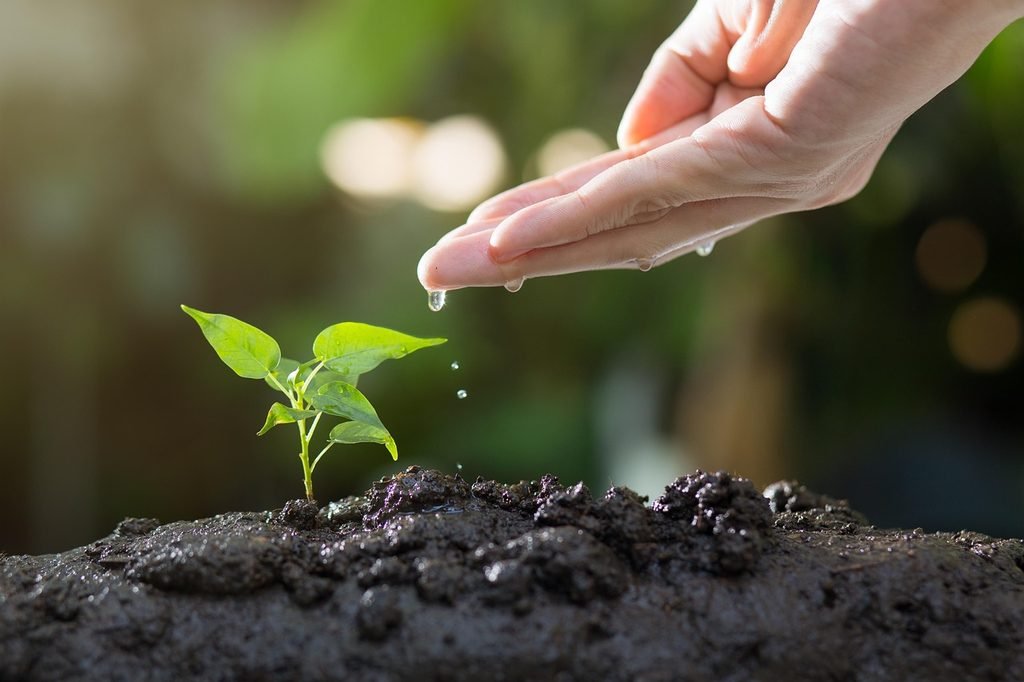
For beginners, a weekly routine can make plant care much easier.
Monday: Quick Plant Check
Look at the leaves and stems. Check for yellowing, spots, insects, or unusual changes.
Wednesday: Check the Soil
Touch the soil of each plant. Water only the plants that actually need it.
Friday: Clean and Inspect
Remove fallen leaves and clean dusty leaves if necessary. Check underneath leaves for pests.
Weekend: Rotate and Maintain
Rotate plants if needed. Remove completely dead leaves and check whether any plant has outgrown its location.
This does not mean every plant needs attention every week. Some plants may need water more often, while others may go longer between watering.
The routine is simply a reminder to check your plants.
A Simple Monthly Indoor Plant Care Routine
Once a month, take a little more time to inspect your indoor plants.
Check whether roots are coming out of drainage holes. Look at the soil condition and inspect the overall growth of the plant.
You can also clean the plant area, wash trays, wipe pots, and remove old fallen leaves.
If you use fertilizer, check whether it is time for another feeding according to the product instructions and the plant’s needs.
Monthly checks are also a good opportunity to think about whether each plant is still receiving suitable light.
Common Indoor Plant Care Mistakes Beginners Make
There are several mistakes that are easy to make when starting an indoor plant collection.
Watering Too Often
Overwatering is one of the most common problems. Always check the soil before watering.
Ignoring Light
A plant may receive water regularly but still struggle if it does not receive enough light.
Using Too Much Fertilizer
Extra fertilizer can harm roots. Always follow the recommended instructions.
Choosing the Wrong Pot
A pot that is much larger than the root system can hold excess moisture for a long time.
Moving Plants Constantly
Plants need time to adjust to their environment. Try to find a suitable location and avoid moving them unnecessarily.
Ignoring Small Problems
A few insects or one unusual leaf may seem unimportant, but checking early can prevent bigger problems.
How to Know If Your Indoor Plant Is Healthy
Healthy indoor plants usually show signs of steady growth. Depending on the species, you may see new leaves, strong stems, and normal leaf color.
However, every plant looks different.
Some plants naturally have patterned leaves, while others have pale green or dark green foliage. Some grow quickly, while others grow slowly.
The best way to judge plant health is to learn what is normal for that particular plant.
Do not compare your plant too closely with pictures online. Differences in light, temperature, humidity, soil, and growing conditions can affect appearance.
Create a Routine That Fits Your Lifestyle
The best indoor plant care routine for beginners is one that you can actually maintain.
If you are busy, you do not need to inspect your plants every day. A few regular checks throughout the week may be enough.
You can also group plants according to their watering needs. Plants that prefer drier soil can be kept together, while plants that prefer more moisture can have their own area.
This can make your plant collection easier to manage.
I also recommend keeping a simple note on your phone. Write down when you last watered a plant and any changes you noticed.
After a few weeks, you will begin to understand how quickly different plants dry out.
What Beginners Really Need for Indoor Plant Care
You do not need a large collection of gardening equipment.
A few basic items are usually enough.
You may want a small watering can, a clean pair of pruning scissors, a soft cloth for cleaning leaves, suitable pots with drainage holes, and a good quality potting mix.
Fertilizer can also be useful when needed.
The most important tool, however, is observation.
A beginner who regularly checks plants and learns from changes can often do better than someone who owns many gardening products but does not understand what their plants need.
Final Thoughts
Creating a simple indoor plant care routine for beginners is much easier when you focus on the basics.
Check your plants regularly. Give them suitable light. Test the soil before watering. Use pots with drainage holes. Clean dusty leaves, remove dead growth, inspect for pests, and provide fertilizer when necessary.
You do not have to follow a strict daily schedule. Plants are living things, and their needs can change depending on the season and conditions inside your home.
The more time you spend observing your plants, the easier plant care becomes.
For me, the biggest lesson is that successful indoor plant care is not about doing more. It is about doing the right things at the right time. Start with a few easy plants, build a simple routine, and learn from how they respond.
With patience and regular attention, even a beginner can create a healthy and attractive indoor garden.