 pqaoo
pqaoo
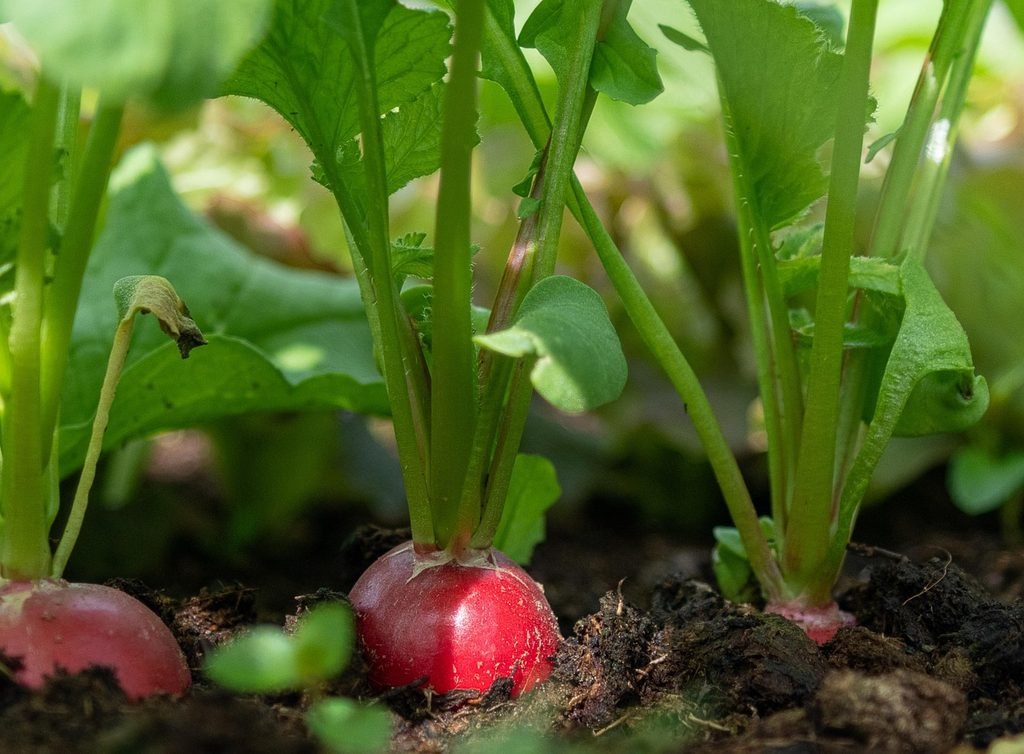
Growing radishes in pots at home is one of the easiest ways to enjoy fresh vegetables even if you do not have a large garden. Radishes grow quickly, need very little space, and can do well on a balcony, terrace, patio, windowsill, or small outdoor area. With the right pot, good soil, enough sunlight, and regular watering, you can grow healthy radishes at home without much experience.
I especially like radishes for container gardening because they do not require a complicated setup. You can start with one pot and learn as you go. Within a short time, you may have fresh radishes ready to harvest for salads, sandwiches, or homemade meals.
In this guide, I will explain how to grow radishes in pots at home from choosing the right container to harvesting your crop. The steps are simple enough for beginners, and you can follow them even if this is your first vegetable gardening project.
Why Grow Radishes in Pots?
Radishes are excellent vegetables for container gardening. They have a relatively small root system, grow quickly, and do not need a huge amount of space.
One of the biggest advantages is the short growing period. Many radish varieties can be ready for harvest in just a few weeks under suitable conditions. This makes them a good choice for people who want to see results without waiting for an entire season.
Growing radishes in pots also gives you better control over the growing environment. You can choose the soil, move the container when necessary, and protect the plants from extreme weather.
Container gardening can also be useful if your outdoor space has poor soil. Instead of trying to improve a large garden bed, you can simply fill a pot with suitable potting soil and start growing.
Choose the Right Pot for Growing Radishes
Choosing the right container is an important part of growing radishes in pots. Since radishes develop edible roots below the soil, the container should have enough depth for the variety you are growing.
A pot that is around 8 to 12 inches deep is a good starting point for many common radish varieties. The width depends on how many radishes you want to grow.
Make sure the container has drainage holes at the bottom. Excess water needs somewhere to escape. Without proper drainage, the soil can remain too wet and the roots may become unhealthy.
You do not necessarily need to buy an expensive gardening container. A clean plastic pot, wooden planter, or other suitable food safe container can work as long as it is deep enough and has drainage.
If you are growing several radishes together, a wider container can make planting easier. Just remember that each plant needs enough room to develop properly.
Select Good Radish Seeds
The next step is choosing the right radish seeds. There are many varieties available, and they can differ in size, shape, color, and growing time.
For container gardening, smaller or medium sized radishes are often easier to manage. Round varieties can be particularly convenient because they do not need as much soil depth as some long rooted types.
When buying seeds, check the information on the seed packet. Look for the recommended growing season, expected maturity time, and planting depth.
If you are a beginner, choosing a fast growing variety can be encouraging because you will not have to wait too long before seeing results.
You can also try different varieties in separate pots. This is a simple way to discover which radishes grow best in your particular home environment.
Use the Right Soil
Good soil is one of the most important things when growing radishes in containers. Radish roots need loose soil so they can expand easily.
Avoid using heavy garden soil by itself in a pot. It can become compacted and may make it difficult for the roots to develop properly.
A good quality potting mix is usually a better option. The soil should be loose, well drained, and able to hold enough moisture for healthy plant growth.
You can improve the growing medium with mature compost. Compost can add organic matter and help create a better environment for the roots.
Before planting, gently loosen the soil and remove large pieces of wood, stones, or other material that could interfere with root development.
The goal is to create a soft growing medium where the developing radish can grow without strong resistance.
Find the Best Location
Radishes generally grow well in a location that receives several hours of sunlight each day. A sunny balcony, patio, terrace, or garden area can be suitable.
Around 6 hours of sunlight is a useful target for many radish plants, although conditions can vary depending on the variety and local climate.
If you are growing radishes indoors, place the pot near a bright window. However, indoor light can sometimes be weaker than outdoor sunlight, so monitor the plants and make sure they receive enough light.
Temperature also matters. Radishes usually prefer cooler growing conditions. Very hot weather can encourage some varieties to produce flowers instead of developing large, tender roots.
If the weather becomes extremely hot, giving the plants some protection from intense afternoon heat may help.
How to Plant Radish Seeds in Pots
Planting radish seeds is simple.
First, fill your container with moist potting mix. Leave a little space at the top so water does not immediately spill over the sides.
Make small holes in the soil according to the depth recommended on your seed packet. Radish seeds are generally planted relatively shallow.
Place one seed in each hole and cover it gently with soil. Avoid pressing the soil too firmly because compacted soil can make it harder for seedlings to emerge.
Water the soil gently after planting. A light stream of water is better than pouring a large amount quickly.
Keep the soil consistently moist while the seeds are germinating.
Depending on the variety and growing conditions, you may see seedlings appear within several days.
Give Radishes Enough Space
One common mistake beginners make is planting too many radish seeds in a small container.
Radish plants need enough space for their roots to develop. If plants are crowded together, they may compete for water, nutrients, light, and growing room.
When the seedlings become established, thin them if necessary. Remove weaker or overcrowded seedlings so the remaining plants have enough room.
The exact spacing depends on the variety. Check the seed packet for recommended spacing because small round radishes may need less room than larger varieties.
Thinning can feel difficult when you see healthy little seedlings, but it is an important step for growing better roots.
Watering Radishes in Pots
Watering is especially important for container grown radishes because pots can dry out faster than garden soil.
Check the soil regularly by touching the surface. If the top layer feels dry, it may be time to water.
Try to keep the soil evenly moist but not constantly soaked. Too little water can cause slow growth and poor root development, while excessive moisture can create other problems.
During hot weather, containers may need more frequent watering. During cooler or rainy conditions, they may need less.
Always consider the actual condition of the soil instead of following a strict watering schedule.
Water slowly and thoroughly so moisture reaches the root area. Make sure excess water can drain from the bottom of the container.
Fertilizing Radishes
Radishes are not usually considered heavy feeders, especially when they are grown in good quality soil.
A nutrient rich potting mix containing compost can provide much of what the plants need during their relatively short growing period.
Avoid using excessive fertilizer. Too much nitrogen can encourage leafy growth while the roots remain smaller than expected.
If you decide to use fertilizer, follow the instructions on the product carefully. A balanced fertilizer used appropriately may be enough for container grown vegetables.
The main goal is to provide healthy soil rather than constantly feeding the plants.
Protect Radishes From Pests
Although radishes are relatively easy to grow, pests can still appear.
Small insects may damage the leaves, especially when plants are young. Check your radishes regularly for holes, insects, or unusual marks.
Because you are growing in pots, you can often move the container to a safer location if you notice a pest problem.
Keeping the growing area clean can also help. Remove dead leaves and plant debris around the container.
Avoid using any pest control product without reading its label carefully. If you are growing radishes for food, always choose products that are appropriate for edible crops and follow the harvest instructions.
Regular observation is often the best first step. When you notice a problem early, it is usually easier to manage.
Common Problems When Growing Radishes in Pots
Even though radishes are beginner friendly, a few problems can occur.
Radishes Only Produce Leaves
If your radishes are growing lots of leaves but the roots are not developing well, several things may be responsible.
The plants could be receiving too much nitrogen, they may be overcrowded, or the growing conditions may be too warm.
Check the spacing and make sure the plants are getting suitable sunlight and water.
Radishes Split
Radishes can sometimes crack or split when their growth conditions change, particularly when the soil becomes very dry and then receives a lot of water.
Try to maintain consistent soil moisture throughout the growing period.
Radishes Taste Too Strong
Radishes can become hot or overly sharp when they grow under stressful conditions or remain in the soil too long.
Warm weather can also affect their flavor.
Harvesting them at the recommended maturity time can help you enjoy a better texture and taste.
Radishes Become Woody
If radishes stay in the soil for too long, they may become tough or woody.
This is why it is useful to check your plants regularly as they approach maturity.
The information on your seed packet can give you an approximate harvest window, but actual timing depends on weather and growing conditions.
How to Thin Radish Seedlings
Thinning is an important part of growing radishes in containers.
When several seedlings grow close together, they can compete for resources. Their roots also need space to expand.
Once the seedlings are large enough to handle, carefully remove the extra plants.
Try not to disturb the remaining seedlings too much. You can gently pull out unwanted seedlings or cut them at soil level if they are tightly packed.
Leave enough space between the remaining plants according to the recommendations for your variety.
Thinning may seem like a small task, but it can make a noticeable difference in the size and quality of your radishes.
When to Harvest Radishes
Knowing when to harvest is one of the most enjoyable parts of growing radishes at home.
Many radish varieties mature quickly, sometimes within a few weeks. However, maturity time varies by variety, weather, soil, and growing conditions.
You can gently check the top of the root where it meets the soil. If the radish appears to have reached the expected size, it may be ready to harvest.
Pull one carefully as a test. If it looks mature and tastes good, you can harvest the rest.
Do not wait too long after the radishes reach their ideal size. Older roots may become tougher and less enjoyable to eat.
For the freshest flavor, harvest radishes when you plan to use them.
How to Harvest Radishes From Pots
Harvesting radishes is simple.
Watering the container lightly before harvesting can make the soil easier to work with.
Hold the leaves close to the base and pull the radish upward gently. If the soil is compacted, loosen it around the root before pulling.
After harvesting, remove excess soil and trim the leaves if you plan to store the radishes.
Freshly harvested radishes can be used in salads, sandwiches, wraps, soups, or other meals.
You can also wash them and enjoy them fresh with a little seasoning.
Can You Grow Radishes All Year?
Whether you can grow radishes throughout the year depends heavily on your local climate.
Radishes generally prefer cooler conditions. In areas with mild temperatures, you may be able to grow them during several seasons.
In very hot climates, growing during cooler months can produce better results.
Container gardening gives you some flexibility because you can move pots to areas with better light or protection from extreme temperatures.
If you live somewhere with very hot summers, try planting radishes during the cooler part of the year.
Tips for Growing Better Radishes in Pots
A few simple habits can improve your results.
Choose a container with good drainage.
Use loose and well drained potting soil.
Select a radish variety that suits your container.
Give the plants enough sunlight.
Avoid overcrowding.
Keep the soil evenly moist.
Do not use excessive fertilizer.
Watch for insects and leaf damage.
Harvest roots at the recommended maturity stage.
Try planting small batches every few weeks during the suitable growing season instead of planting everything at once.
Successive planting can give you a more continuous supply of fresh radishes.
Can You Grow Radishes From Radish Scraps?
You may see advice online about growing radishes from kitchen scraps. While parts of the plant may produce new leafy growth under certain conditions, growing a new full sized radish root from a harvested radish is generally not as reliable as starting with seeds.
If your goal is to grow edible radish roots, seeds are the simplest and most dependable option.
A small packet of seeds can provide many plants, making radishes an affordable choice for home gardening.
Growing Radishes in Small Spaces
One of the best things about radishes is that you do not need a traditional garden.
A small balcony can be enough for several containers. You can use pots of different sizes and grow radishes alongside herbs or other compact vegetables.
Vertical gardening is not particularly necessary for radishes because they grow mainly in the soil, but you can place several containers together to make efficient use of your available space.
If you are renting a home or apartment, container gardening is also convenient because you can move the pots when needed.
Final Thoughts
Learning how to grow radishes in pots at home is a great way to start container gardening. Radishes are fast growing, relatively easy to manage, and suitable for people who have limited outdoor space.
The most important things are choosing a suitable container, using loose soil, planting good seeds, providing enough sunlight, maintaining consistent moisture, and harvesting at the right time.
You do not need expensive gardening equipment or a large backyard. With one suitable pot and a little attention, you can begin growing fresh radishes at home.
For beginners, I would recommend starting with one or two containers rather than trying to grow a large crop immediately. This lets you understand how sunlight, watering, temperature, and spacing affect your plants.
Once you become comfortable, you can try different radish varieties and experiment with planting times.
Growing vegetables at home can be surprisingly rewarding. Even something as simple as pulling your first fresh radish from a pot can make you appreciate how much is possible in a small growing space. With patience and regular care, growing radishes in containers can become an easy and enjoyable part of your home gardening routine.