 pqaoo
pqaoo
Seeing yellow leaves on an indoor plant can be worrying, especially when the plant looked healthy a few days ago. I have noticed that yellow leaves are one of the most common problems people face when growing plants indoors. The good news is that yellow leaves do not always mean your plant is dying.
There can be several reasons why indoor plant leaves turn yellow. Sometimes the problem is too much water, while other times the plant may not be getting enough light. Poor soil, low humidity, pests, natural aging, and even sudden changes in temperature can also cause yellow leaves.
The important thing is to find the actual reason before trying to fix the problem. In this guide, I will explain the most common causes of yellow leaves on indoor plants and what you can do to help your plant recover.
Why Do Indoor Plant Leaves Turn Yellow?
Indoor plant leaves can turn yellow when the plant is under stress. A healthy plant needs the right balance of water, light, nutrients, temperature, and air circulation. If one of these conditions is not suitable, the leaves may start changing color.
Sometimes only one or two older leaves become yellow. This can be completely normal. Plants naturally replace old leaves as they grow new ones.
However, if many leaves are turning yellow at the same time, or if yellowing is spreading quickly, it usually means that something needs attention.
Before making any changes, look closely at the plant and its growing conditions. Check the soil, leaves, roots, location, and watering routine. This simple inspection can help you understand the problem.
Overwatering Is a Common Cause of Yellow Leaves
One of the most common reasons indoor plant leaves turn yellow is overwatering. Many people think that watering their plants frequently is a good way to keep them healthy. In reality, too much water can cause serious problems.
Plant roots need both water and oxygen. When the soil stays wet for a long time, there is less air around the roots. This can weaken the roots and may eventually lead to root problems.
Yellow leaves caused by overwatering often feel soft or look slightly swollen. The soil may also remain wet for several days after watering.
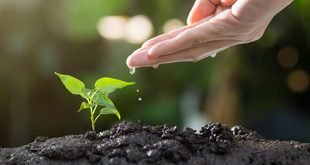
If you think your plant is overwatered, check the soil before watering again. Put your finger about an inch into the soil. If it still feels wet, wait a little longer.
Make sure the pot has drainage holes at the bottom. Extra water should be able to leave the container instead of staying around the roots.
Underwatering Can Also Cause Yellow Leaves
Although overwatering is common, underwatering can also make indoor plant leaves yellow. When a plant does not receive enough water, it cannot move moisture and nutrients properly through its leaves.
Underwatered plants often have dry soil and leaves that look weak, curled, or crispy. The leaves may turn yellow before becoming brown and falling off.
If the soil is extremely dry and has pulled away from the sides of the pot, the plant probably needs water.
When watering a very dry plant, do not simply add a small amount of water to the surface. Water slowly until some water comes out through the drainage holes. This helps moisten the soil more evenly.
After that, allow the excess water to drain completely.
Poor Drainage Can Make the Problem Worse
Sometimes the problem is not how often you water but where the water goes after watering.
A pot without proper drainage can hold too much moisture around the roots. Even if you follow a reasonable watering schedule, the roots may remain wet for too long.
This is why choosing the right indoor plant pot is important.
Look for a container with drainage holes. If you use a decorative outer pot, make sure water does not collect inside it after watering.
You can also check whether the soil has become compacted. Very dense soil may prevent water from draining properly and can reduce airflow around the roots.
A good indoor plant soil mix should hold enough moisture for the plant while still allowing excess water to drain away.
Not Enough Light Can Cause Yellow Leaves
Light is another important factor when caring for indoor plants. Some plants can survive in low light, but very few plants actually grow well without enough light.
When an indoor plant does not receive sufficient light, its growth may become slow. Older leaves can turn yellow and eventually fall.
If your plant is sitting in a dark corner far away from a window, consider moving it closer to a source of natural light.
However, be careful with direct sunlight. Some indoor plants prefer bright indirect light and may suffer from intense sunlight through a window.
The best location depends on the type of plant. Before changing its position, learn about its specific light requirements.
Too Much Direct Sunlight Can Damage Leaves
It may seem strange that both too little light and too much sunlight can cause problems, but indoor plants have different light needs.
Strong direct sunlight can burn sensitive leaves. Damaged areas may first appear pale or yellow before turning brown.
If your plant is placed directly beside a hot sunny window and the leaves are developing dry patches, the light may be too intense.
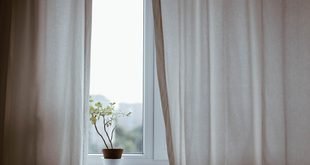
You can move the plant slightly away from the window or use a light curtain to reduce the intensity.
The goal is to provide suitable light rather than simply giving the plant as much sunlight as possible.
Nutrient Deficiency May Cause Yellow Leaves
Plants need nutrients to produce healthy leaves and new growth. When the soil lacks important nutrients, yellowing can occur.
Nitrogen deficiency is one possible reason for yellow leaves. In many cases, older leaves become pale or yellow while newer growth remains greener.
However, nutrient problems can look similar to other issues. Before adding fertilizer, check watering and lighting conditions first.
If your plant has been growing in the same soil for a long time, it may benefit from fresh soil or a suitable indoor plant fertilizer.
Avoid using too much fertilizer. More fertilizer does not automatically mean healthier growth. Excess fertilizer can damage plant roots and create another problem.
Natural Aging Can Cause Yellow Leaves
Not every yellow leaf is a sign of a problem.
Indoor plants naturally lose older leaves as they produce new growth. If one older leaf near the bottom of the plant turns yellow while the rest of the plant looks healthy, there may be nothing to worry about.
This is especially common when the plant is growing new leaves.
You can remove a fully yellow leaf with clean scissors. There is usually no reason to panic when only an occasional old leaf changes color.
The situation is different if several young leaves are turning yellow or the entire plant is losing leaves quickly.
Low Humidity Can Affect Indoor Plants
Indoor air can become quite dry, especially when heating or air conditioning is running regularly. Some tropical indoor plants prefer higher humidity than the average home provides.
Low humidity can cause leaf edges to become dry and brown. In some plants, prolonged stress can also contribute to yellowing and leaf drop.
You can increase humidity by placing a humidifier near your plants. Grouping several plants together can also create a slightly more humid environment.
However, avoid keeping the leaves constantly wet. Poor air circulation combined with wet foliage can encourage fungal problems.
Temperature Changes Can Stress Indoor Plants
Indoor plants generally prefer stable conditions. Sudden changes in temperature can cause stress and may result in yellow leaves.
Avoid placing plants directly beside heating vents, air conditioners, cold windows, or frequently opened doors during very cold weather.
A plant that is comfortable in a warm room may react badly to sudden cold air.
Try to keep indoor plants away from extreme temperature changes. A stable environment is usually better than constantly moving the plant from one location to another.
Pests Can Cause Yellow Leaves
Small insects can also cause yellow leaves on indoor plants. Common indoor plant pests include spider mites, aphids, mealybugs, and scale insects.
These pests feed on plant tissues and can weaken the plant over time.
Look closely at both sides of the leaves and around the stems. Check for tiny insects, sticky residue, white cotton like material, webbing, or unusual spots.
If you find pests, isolate the affected plant from your other plants. This can help reduce the chance of the infestation spreading.
For a small infestation, gently cleaning the leaves may help. You can also use a suitable insect control product according to its label instructions.
Regularly checking your plants makes pest problems much easier to manage.
Root Problems Can Lead to Yellow Leaves
Healthy roots are essential for healthy leaves. If roots are damaged, rotten, or severely crowded, the plant may struggle to absorb water and nutrients.
Root problems are often connected to excessive moisture, poor drainage, or an unsuitable pot.
If yellowing continues despite correcting your watering routine, you may need to inspect the roots.
Carefully remove the plant from its pot and examine the root system. Healthy roots generally look firm. Roots that are soft, mushy, or have an unpleasant smell may indicate serious problems.
If the plant has damaged roots, remove unhealthy sections with clean scissors and repot it in fresh, suitable soil.
What to Do When Indoor Plant Leaves Turn Yellow
The first step is to avoid guessing. Instead, inspect the plant carefully.
Start by checking the soil moisture. Is it very wet or extremely dry?
Next, look at the plant’s location. Is it receiving enough light?
Then check the pot. Does it have drainage holes?
Look at the leaves for signs of insects or disease.
Finally, consider whether you recently changed the plant’s location, watering schedule, fertilizer, or soil.
Once you identify the likely cause, make one change at a time. This makes it easier to understand what is helping.
For example, if the soil is constantly wet, improve drainage and reduce watering. If the plant is in a very dark location, gradually move it toward suitable light.
Avoid making several major changes at once because sudden changes can create additional stress.
Should You Remove Yellow Leaves?
You can remove completely yellow leaves if they are no longer useful to the plant. Use clean scissors or pruning shears to cut the leaf near its base.
Removing damaged leaves can make the plant look cleaner and may allow the plant to focus its energy on healthy growth.
However, do not remove every slightly yellow leaf immediately. First try to understand why the leaf is changing color.
If the underlying problem continues, removing yellow leaves will not solve it.
Think of yellow leaves as a signal. They are often telling you that the plant’s growing conditions need attention.
How Often Should Indoor Plants Be Watered?
There is no single watering schedule that works for every indoor plant.
The right watering frequency depends on the plant species, pot size, soil type, temperature, humidity, and amount of light.
Instead of watering every plant on a fixed schedule, check the soil.
For many common indoor plants, allowing the top portion of soil to dry before watering again works better than watering automatically every few days.
Some plants prefer consistently moist soil, while others prefer the soil to dry more between watering sessions.
Learning the natural needs of your specific plant is one of the best ways to prevent yellow leaves.
Choosing the Right Soil for Indoor Plants
Good soil plays an important role in preventing indoor plant problems.
A quality indoor plant soil mix should provide enough support for roots while allowing air and water to move through the pot.
Heavy garden soil can sometimes become too compact inside containers. This can create drainage and airflow problems.
Different plants also have different soil preferences. Succulents and cacti, for example, generally need a faster draining growing medium than many tropical houseplants.
Choosing soil based on the plant’s needs can make long term care much easier.
How to Prevent Yellow Leaves on Indoor Plants
Prevention is usually easier than trying to rescue a stressed plant.
Start by learning the basic needs of each plant before bringing it home.
Give the plant appropriate light and use a pot with drainage holes. Check soil moisture before watering and avoid allowing water to sit around the roots.
Keep an eye on new growth because it can tell you whether the plant is recovering.
Clean dusty leaves occasionally with a soft, damp cloth when appropriate for the plant. This can help keep the leaves looking healthy and allows you to inspect them for pests.
Also avoid moving plants around unnecessarily. Once you find a comfortable location with suitable light and temperature, allow the plant some time to adjust.
Common Mistakes That Cause Yellow Leaves
One mistake I often see beginners make is watering plants according to a calendar instead of checking the soil.
Another mistake is placing every indoor plant in the same lighting conditions. Different plants have different light requirements.
Using too much fertilizer is another common problem. Fertilizer should be used carefully and according to the plant’s needs.
Some people also ignore drainage. A beautiful pot may look great indoors, but if it has no drainage, it can create serious root problems.
Finally, people sometimes panic when they see one yellow leaf. Remember that an occasional old leaf can be part of the plant’s normal growth cycle.
Frequently Asked Questions
Why are my indoor plant leaves turning yellow?
Indoor plant leaves can turn yellow because of overwatering, underwatering, poor lighting, nutrient deficiency, pests, low humidity, temperature changes, poor drainage, or natural aging.
Can yellow leaves turn green again?
A completely yellow leaf usually does not return to its original green color. The better approach is to identify and correct the reason for the yellowing so new leaves can grow healthy.
Should I cut yellow leaves off indoor plants?
You can remove completely yellow or damaged leaves using clean scissors. However, removing the leaf alone will not fix the underlying problem.
Does overwatering cause yellow leaves?
Yes. Overwatering is one of the most common causes of yellow leaves on indoor plants. Constantly wet soil can damage roots and prevent them from receiving enough oxygen.
How can I tell if my plant needs water?
Check the soil rather than relying only on a calendar. If the soil is dry to the appropriate depth for your plant, it may be time to water. Different plants have different moisture requirements.
Can lack of sunlight make leaves yellow?
Yes. Insufficient light can cause weak growth and yellowing in some indoor plants. However, too much direct sunlight can also damage sensitive leaves.
Final Thoughts
Yellow leaves on indoor plants are not always a reason to panic. In many cases, the plant is simply responding to an environmental problem that can be corrected.
The most important things to check are watering, drainage, light, soil, nutrients, humidity, temperature, and pests.
I believe the best approach to indoor plant care is to observe your plants regularly instead of following a strict routine. Look at the leaves, feel the soil, check the roots when necessary, and pay attention to new growth.
Once you understand what your plant is trying to tell you, yellow leaves become much easier to diagnose.
A healthy indoor plant does not need constant attention. It needs the right conditions and consistent care. By giving your plants suitable light, proper watering, good drainage, and the right growing environment, you can prevent many common problems and enjoy healthier green leaves for a long time.