 pqaoo
pqaoo
Seeing an indoor plant suddenly wilt can be worrying, especially when it was looking healthy just a few days ago. Drooping leaves, soft stems, and a tired appearance are common signs that something is wrong with the plant. The good news is that many indoor plants can recover from wilting when you find the real cause and provide the right care.
I have learned that wilting does not always mean a plant needs more water. Sometimes the problem is too much water, poor drainage, low light, heat, cold air, root damage, or even a sudden change in its environment. Understanding what your plant is trying to tell you is the first step toward helping it recover.
In this guide, I will explain how to help an indoor plant recover from wilting, how to identify the cause, and what you can do to bring your plant back to healthy growth.
What Does Wilting Mean in Indoor Plants?
Wilting happens when plant leaves and stems lose their normal firmness. Instead of standing upright, the leaves may become soft, droopy, curled, or weak. In some cases, the entire plant can look tired.
Plants need water to keep their cells firm. When the roots cannot provide enough water to the leaves, the plant can start wilting. However, a plant sitting in constantly wet soil can also wilt because damaged roots may not be able to absorb water properly.
This is why simply adding more water is not always the right solution.
The first thing I recommend is checking the soil, roots, light, temperature, and recent changes in the plant’s environment.
Common Causes of Wilting Indoor Plants
There are several reasons why an indoor plant may wilt. Finding the correct cause makes recovery much easier.
Underwatering
Underwatering is one of the most common causes of wilting indoor plants. If the soil becomes extremely dry, the roots cannot provide enough moisture to the leaves.
You may notice that the leaves become limp, dry, curled, or crispy. The pot may also feel unusually light when you lift it.
Some plants recover quickly after proper watering, while severely dehydrated plants may need several days to regain their strength.
Overwatering
It may sound strange, but too much water can also cause wilting.
When soil stays wet for a long time, there may not be enough air around the roots. This can lead to root stress and eventually root rot. Damaged roots cannot absorb water properly, so the plant may wilt even though the soil feels wet.
If your indoor plant is wilting and the soil is constantly damp, do not immediately add more water.
Poor Drainage
A container without proper drainage can create serious problems for indoor plants. Excess water needs somewhere to escape.
If the pot has no drainage hole, water can collect around the roots. Over time, this can create conditions that encourage root problems.
A healthy indoor plant usually needs a pot that allows excess water to drain away.
Too Much Direct Sunlight
Indoor plants have different light requirements. A plant that prefers indirect light may wilt when placed directly beside a hot sunny window.
Strong sunlight can increase moisture loss from leaves. If the plant is also sitting near hot glass, the leaves can become stressed quickly.
Moving the plant slightly away from the window may help.
Not Enough Light
Low light can also contribute to weak and unhealthy growth. When a plant does not receive enough light, it may grow slowly and become weak.
Some plants can tolerate low light, but very dark locations may still be unsuitable.
If your plant is wilting and the room is extremely dark, try moving it to a brighter location with suitable indirect light.
Temperature Stress
Indoor plants can react badly to sudden temperature changes.
A plant placed directly in front of an air conditioner, heater, cold window, or strong draft may start showing signs of stress.
Try to keep your indoor plants away from extreme temperature changes. A stable indoor environment is usually better than constantly moving the plant between hot and cold areas.
How to Check Why Your Indoor Plant Is Wilting
Before doing anything, take a few minutes to inspect the plant.
Start by touching the soil with your finger. If the top few centimeters of soil are completely dry, underwatering may be the problem.
If the soil feels wet and stays wet for many days, overwatering or poor drainage could be involved.
Next, look at the leaves. Dry and crispy leaves can indicate a lack of moisture or excessive heat. Soft yellow leaves may point toward watering problems.
Also inspect the stems. If the stems are firm but the leaves are drooping, the plant may have a watering or environmental problem. If the stems are soft or dark, the issue may be more serious.
Step 1: Check the Soil Moisture
Checking soil moisture is one of the easiest ways to understand what your plant needs.
Push your finger gently into the soil. Do not judge the watering needs only by looking at the surface because the top layer can become dry while the soil underneath remains moist.
If the soil is dry several centimeters below the surface, the plant may need water.
If the soil is already wet, wait before watering again.
Different indoor plants have different watering requirements, so avoid following a strict schedule for every plant in your home.
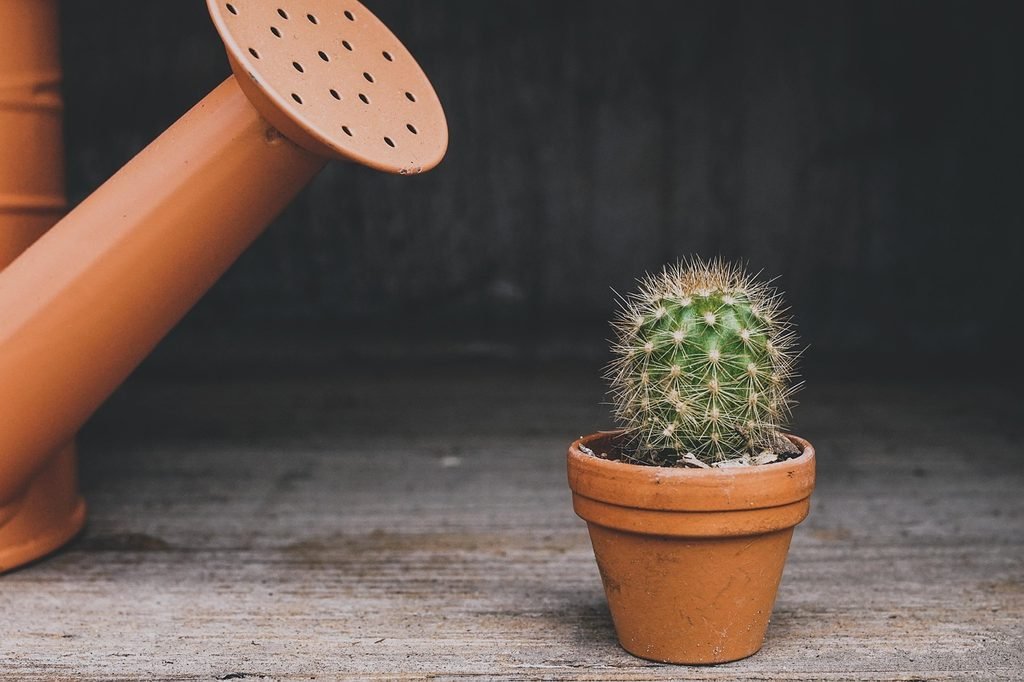
Step 2: Water a Severely Wilted Plant Correctly
If underwatering is clearly the cause, give the plant a thorough watering.
Slowly add water to the soil until excess water begins coming out of the drainage hole. This helps moisten the root area rather than only wetting the surface.
After watering, allow the excess water to drain completely.
Do not leave the pot sitting in a tray full of water for a long time. Empty excess water when necessary.
A severely wilted plant may not become upright immediately. Give it some time. Some plants begin improving within a few hours, while others may need a day or more.
Step 3: Do Not Overwater a Wet Plant
If your indoor plant is wilting while the soil is already wet, stop watering temporarily.
This is one of the most important steps in helping an overwatered indoor plant recover.
Place the plant somewhere with suitable light and good air movement. Allow the soil to dry to an appropriate level before watering again.
Do not try to fix an overwatered plant by adding fertilizer. A stressed root system needs stable conditions rather than extra feeding.
Step 4: Check the Drainage Hole
Turn the pot carefully and check whether it has drainage holes.
If there are no drainage holes, excess water may remain trapped inside the container.
A plant suffering from repeated overwatering may benefit from being moved into a suitable container with proper drainage.
When repotting, handle the roots gently. Do not aggressively remove healthy roots.
Step 5: Inspect the Roots if Necessary
If the plant continues to wilt despite proper watering, you may need to inspect the roots.
Remove the plant carefully from its pot and look at the root system.
Healthy roots are generally firm and have a normal appearance for the plant. Damaged roots may be soft, mushy, dark, or unpleasant smelling.
If you find damaged roots, remove the clearly rotten sections with clean tools. Then place the plant into fresh, suitable potting soil and a container with good drainage.
Avoid disturbing the roots more than necessary because transplanting itself can cause temporary stress.
Step 6: Give the Plant Suitable Light
Light is important during recovery, but more light is not always better.
A severely wilted plant should generally be protected from harsh direct sunlight until it becomes more stable.
Bright indirect light can be helpful for many common indoor plants.
Place the plant near a suitable window where it receives enough natural light without being exposed to intense heat.
If the plant normally prefers low light, do not suddenly place it under strong direct sunlight.
Step 7: Improve Air Circulation
Good air circulation can help create a healthier indoor environment.
Avoid placing plants tightly against walls or between many other plants where air cannot move properly.
However, you do not need to place a fan directly on a wilted plant. Strong constant airflow can increase moisture loss from leaves.
Gentle natural air movement is usually enough.
Step 8: Remove Severely Damaged Leaves
After identifying the cause of wilting, inspect the leaves.
Some wilted leaves may recover completely. Others may become permanently damaged.
Leaves that are completely brown, crispy, dead, or badly damaged can be removed with clean scissors.
Do not remove every drooping leaf immediately. Give the plant some time to recover first because a wilted leaf can sometimes become healthy again after the plant receives proper care.
Step 9: Avoid Fertilizing a Stressed Plant
Fertilizer can be useful for healthy growing plants, but it is usually not the first solution for a wilted plant.
When a plant is under stress, its roots may not be working normally. Adding fertilizer at the wrong time can make the situation worse.
Focus on water, light, drainage, temperature, and overall stability first.
Once the plant begins producing healthy new growth, you can return to a suitable feeding routine based on the plant’s needs.
Step 10: Keep the Plant in One Stable Location
Moving an indoor plant from one place to another every few hours can create additional stress.
Once you find a location with suitable light and temperature, allow the plant to adjust.
Plants need time to respond to changes. Recovery is not always instant.
I find it helpful to observe the plant for several days instead of changing multiple things at the same time.
How Long Does It Take for a Wilted Indoor Plant to Recover?
The recovery time depends on the cause and the condition of the plant.
A mildly wilted plant caused by underwatering may start looking better within a few hours after proper watering.
A plant suffering from root damage can take much longer. It may need several weeks to produce strong new growth.
Do not judge recovery only by whether old leaves become perfect again. New healthy leaves and firm stems are often better signs that the plant is recovering.
Signs That Your Indoor Plant Is Recovering
There are several positive signs to look for.
The leaves may gradually become firmer. New growth may appear. The stems may become stronger, and the plant may stop losing leaves.
The soil should also begin drying at a reasonable rate instead of staying constantly wet.
If the plant is producing healthy new leaves, that is usually a good indication that its growing conditions are improving.
Recovery is a gradual process, so patience is important.
What Not to Do When an Indoor Plant Is Wilting
One common mistake is watering the plant repeatedly without checking the soil.
Another mistake is placing a stressed plant directly in strong sunlight because it looks weak.
Avoid adding large amounts of fertilizer during recovery.
Do not keep changing the plant’s location every day.
You should also avoid using random household remedies without understanding whether they are suitable for the plant.
Simple care is often better than trying too many solutions at once.
How to Prevent Indoor Plants From Wilting Again
Once your plant has recovered, the next goal is preventing the problem from returning.
Check the soil before watering instead of following a fixed watering schedule.
Use containers with drainage holes.
Choose a location that matches the plant’s light requirements.
Keep plants away from extreme heat, cold drafts, and direct airflow from heating or cooling appliances.
Clean dusty leaves occasionally so the plant can use light efficiently.
Also pay attention to seasonal changes. Indoor plants may need different watering amounts during different parts of the year because temperature and light conditions change.
Best Watering Routine for Indoor Plants
There is no single watering schedule that works for every indoor plant.
Instead of watering every plant on the same day, check each plant individually.
A plant in a small pot may dry faster than a plant in a large container. A plant near a bright window may use more water than one in a darker room.
The type of soil also affects how quickly moisture disappears.
The best approach is to understand your plant and observe its soil.
Water thoroughly when the plant needs it, then allow excess water to drain.
When Should You Repot a Wilting Indoor Plant?
Repotting is not always necessary.
If the plant is wilting because the soil is dry, repotting may create unnecessary stress.
However, repotting may be helpful when the container has poor drainage, the soil has become badly compacted, or the roots have serious problems.
If the roots are circling the entire root ball and the plant has clearly outgrown its container, a slightly larger pot may also be useful.
Do not automatically move a stressed plant into a very large pot. A much larger container can hold excess moisture for a long time and create additional watering problems.
Can a Wilted Indoor Plant Come Back to Life?
Yes, many wilted indoor plants can recover.
The important thing is to identify the cause before taking action.
If the plant is thirsty, proper watering may help. If the roots are sitting in wet soil, reducing moisture and improving drainage may be more important.
If the problem is light or temperature, changing the location may be the best solution.
Even when some leaves are permanently damaged, the plant itself may still survive and produce new growth.
Final Thoughts
Learning how to help an indoor plant recover from wilting is mostly about careful observation and patience.
Do not assume that every wilted plant needs more water. Check the soil first. Look at the leaves, inspect the pot and drainage, consider the amount of light, and think about any recent changes in temperature or location.
Once you understand the cause, make one or two appropriate changes and give the plant time to respond.
Healthy indoor plants do not always look perfect. A little wilting can happen from time to time, especially when growing conditions change. What matters is how quickly you notice the problem and how carefully you respond.
With proper watering, suitable light, good drainage, stable temperatures, and regular observation, many indoor plants can recover and return to healthy growth. The more time you spend observing your plants, the easier it becomes to understand what they need.