 pqaoo
pqaoo
Growing mint in pots on a small balcony is one of the easiest ways to enjoy fresh herbs at home. Mint does not need a large garden, expensive equipment, or complicated gardening skills. With a suitable pot, good soil, enough sunlight, and regular watering, you can grow healthy mint even when you have very limited outdoor space.
I especially like mint as a balcony plant because it grows quickly and can be used in many everyday ways. Fresh leaves can be added to tea, lemonade, salads, chutneys, desserts, and homemade drinks. The pleasant smell of mint also makes a small balcony feel fresher and more lively.
If you are wondering how to grow mint in pots, the good news is that mint is quite forgiving. Even beginners can get good results by following a few simple steps. The most important thing is to give mint enough room for its roots, avoid keeping the soil too wet, and trim the plant regularly.
In this guide, I will explain how to grow mint in pots on a small balcony, including choosing the right container, preparing the soil, planting mint, watering, sunlight requirements, pruning, feeding, and common problems.
Why Mint Is a Good Plant for a Small Balcony
Mint is naturally a spreading plant. It grows quickly and can produce plenty of fresh leaves from one healthy plant. This makes it a useful choice for people who want a productive herb garden without needing much space.
Another advantage is that mint can grow well in containers. In fact, growing mint in pots is often better than planting it directly in the ground because mint can spread aggressively when it has unlimited space.
A small balcony can provide enough room for one or two mint pots. You can place them near a window, along a balcony railing, or on a small plant stand.
Mint is also relatively easy to maintain. You do not need to water it constantly or use complicated gardening products. Once you understand its basic needs, caring for mint becomes a simple part of your daily routine.
Choose the Right Pot for Growing Mint
Choosing the right container is the first important step when growing mint in pots.
Mint has a spreading root system, so a very small container can become crowded quickly. For one mint plant, I recommend using a pot that is at least 8 to 10 inches wide and around 8 inches deep.
If you have more space, a larger container can be even better. A pot that is around 12 inches wide gives the plant more room to develop.
The pot must have drainage holes at the bottom. This is extremely important because excess water can remain around the roots and cause root problems.
You can use a clay pot, plastic container, ceramic pot, or even a suitable recycled container. If you use a recycled container, make sure it is clean and has proper drainage holes.
For a very small balcony, I prefer a medium sized pot because it provides enough growing space without taking up too much room.
Select Good Soil for Mint
Mint grows best in loose and fertile soil that drains well but can still hold some moisture.
You can use a good quality general purpose potting mix. Avoid using heavy garden soil alone because it can become compacted inside a container.
A simple potting mixture can include regular potting soil, compost, and a material that improves drainage. The goal is to create soil that feels light and crumbly rather than hard and sticky.
Adding a small amount of compost can provide nutrients for the plant. However, you do not need to add large quantities of fertilizer when starting.
Before planting, fill your container with the soil mixture and leave a little space at the top. This makes watering easier and prevents soil from spilling over the sides.
How to Plant Mint in a Pot
There are several ways to start a mint plant. You can grow it from a small nursery plant, stem cutting, or sometimes from seeds.
For beginners, starting with a small healthy mint plant is usually the easiest option. A nursery plant already has roots and can establish itself quickly.
If you want to grow mint from a cutting, choose a healthy stem that is several inches long. Remove the lower leaves and place the stem in water. After roots develop, you can move the cutting into soil.
When planting a small mint plant, make a hole in the center of the pot. Place the roots into the hole and gently cover them with soil.
Do not press the soil too hard. Lightly firm it around the roots and water the plant afterward.
If you are planting more than one mint plant, give each plant enough room. Mint spreads naturally, so overcrowding can make the container difficult to manage.
How Much Sunlight Does Mint Need?
Mint likes bright light, but it does not always need intense direct sunlight throughout the entire day.
On a small balcony, try to place your mint where it receives several hours of sunlight each day. Morning sunlight is especially useful because it is generally less intense than strong afternoon sunlight.
In very hot weather, intense afternoon sun can sometimes cause the leaves to wilt or become stressed. If your balcony receives extremely strong sunlight, you can provide some afternoon shade.
If your balcony receives only partial sunlight, mint can still grow. However, very low light may result in slower growth and thinner stems.
Watch the plant rather than following a strict schedule. If the leaves look healthy and the plant is producing new growth, your location is probably suitable.
Watering Mint in Pots
Watering is one of the most important parts of mint care.
Mint likes consistently moist soil, but it does not like sitting in water. This means you should avoid both extremes.
Before watering, touch the top layer of soil with your finger. If the surface feels slightly dry, it is usually time to water.
When you water, apply enough water to moisten the soil thoroughly. Some water should come out through the drainage holes. Empty any water that collects under the pot.
The exact watering schedule depends on your weather, pot size, sunlight, and soil. During hot weather, container plants may need water more frequently.
Do not automatically water your mint several times a day. Check the soil first.
Overwatering is a common mistake because people sometimes think that a plant with soft leaves always needs more water. In reality, excessive moisture around the roots can also cause wilting.
How to Fertilize Mint
Mint generally does not require heavy feeding, especially when it is planted in fertile potting soil.
You can add a small amount of compost occasionally to maintain soil quality. A balanced fertilizer can also be used according to the product instructions if the plant appears to need additional nutrients.
Avoid using excessive fertilizer. Too much fertilizer can encourage weak growth and may damage the roots.
For a small balcony garden, keeping the feeding routine simple is usually best. Healthy soil, proper sunlight, and regular watering are more important than using many different gardening products.
Pruning Mint for Better Growth
Regular pruning is one of my favorite parts of growing mint because it encourages the plant to become fuller.
When mint grows tall, you can cut the stems just above a pair of healthy leaves. New growth can develop from the remaining stem.
Do not be afraid to harvest your mint. Regular harvesting can actually help you maintain a compact plant.
If the plant starts becoming too large for the pot, trim it back. Remove old, damaged, or yellow leaves as well.
Pruning also helps prevent the plant from becoming too crowded. On a small balcony, keeping mint compact makes it easier to manage and leaves more space for other plants.
How Often Should You Harvest Mint?
You can harvest mint whenever the plant has enough healthy growth.
Choose fresh green stems and leaves rather than taking too much from one small section. If your plant is young, allow it to establish itself before making heavy harvests.
For everyday use, you can simply pick a few leaves when you need them.
If you want a larger amount of mint, cut several stems and use the leaves fresh. You can also store freshly harvested mint for short periods in the refrigerator.
The best time to harvest is often in the morning when the plant is well hydrated. Handle the leaves gently to avoid unnecessary damage.
Common Problems When Growing Mint in Pots
Although mint is easy to grow, you may still notice a few problems.
Yellow Leaves
Yellow leaves can have several causes. Too much water is one common reason, especially if the soil remains wet for long periods.
Poor drainage can also create problems. Check the drainage holes and make sure excess water can leave the container easily.
Older leaves may naturally turn yellow as well, so look at the overall health of the plant before making changes.
Mint Leaves Wilting
Wilting can happen when the soil becomes too dry, especially during hot weather.
Check the soil before watering. If it is dry several inches below the surface, give the plant a thorough watering.
If the soil is already wet but the plant continues to wilt, excessive moisture or root problems may be involved.
Small or Weak Leaves
Small leaves can be caused by insufficient sunlight, poor soil, overcrowding, or a lack of regular pruning.
Move the plant to a brighter location if necessary and check whether the pot has enough room.
Insects on Mint
Small insects can sometimes appear on mint plants. Check the stems and undersides of leaves regularly.
If you notice insects, remove badly affected leaves and gently wash the plant with water. Keeping the plant healthy and avoiding overcrowding can also help reduce problems.
If an infestation becomes serious, choose a treatment that is specifically labeled for edible herbs and follow its instructions carefully.
How to Keep Mint Under Control
Mint grows quickly, which is useful when you want plenty of leaves, but it can also become crowded.
This is one reason I strongly recommend growing mint in a container.
If the stems become too long, trim them back. If roots begin filling the container completely, consider moving the plant into a larger pot.
You can also divide a mature mint plant and place part of it into another container. This is an easy way to create another mint pot without buying a new plant.
For a small balcony, one healthy container of mint may be enough to provide plenty of leaves for regular household use.
Growing Mint Vertically on a Small Balcony
If floor space is limited, think vertically.
You can place your mint pot on a sturdy plant stand or use a suitable wall mounted gardening system. Make sure any structure is strong enough to support the weight of the pot, soil, and water.
Hanging containers can also save floor space if they are designed for plants and securely installed.
However, do not place a heavy pot where it could fall from a balcony. Safety should always come before saving a little space.
A simple plant stand with two or three levels can be a practical solution. You can keep mint on one level and grow other small herbs on the remaining levels.
Can Mint Grow Indoors Near a Balcony Door?
Yes, mint can grow indoors if it receives enough bright light.
If your balcony is extremely hot or receives unsuitable sunlight, you can place the mint near a bright window or balcony door.
However, make sure the plant still receives enough natural light. A dark corner may not provide the conditions mint needs for strong growth.
Good air circulation is also helpful. Avoid keeping the pot in a constantly closed and humid area.
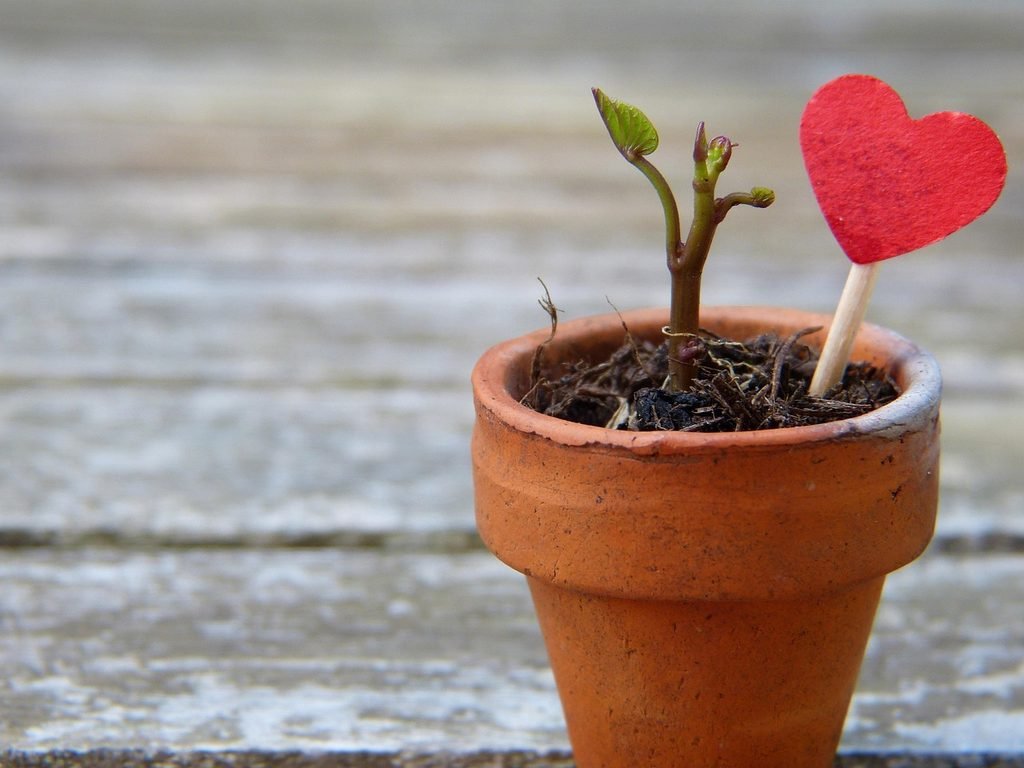
How to Grow Mint From Cuttings
Growing mint from cuttings is an easy and inexpensive method.
First, choose a healthy stem with several leaves. Cut the stem below a leaf joint.
Remove the leaves from the lower part of the stem and place the cutting in a glass of clean water. Keep the leaves above the water.
Place the glass in a bright location away from extremely strong direct sunlight.
After some time, roots should begin to develop. Once the roots are reasonably established, move the cutting into a pot filled with suitable potting soil.
Water it gently after planting and keep the soil slightly moist while the new plant adjusts.
This method is useful if you already have a healthy mint plant and want to create another one for your balcony.
Seasonal Mint Care
Mint can respond differently depending on the weather.
During warm months, growth can be fast. You may need to water and prune more frequently.
During cooler periods, growth may slow down. You should still monitor the soil but avoid watering automatically when the plant is not using as much moisture.
If your area experiences very cold weather, protect the container from severe conditions. A sheltered location can help.
In hot climates, protect mint from extreme afternoon heat if the leaves are repeatedly becoming stressed.
The main idea is to observe the plant and adjust your care according to the conditions around it.
Tips for Growing Healthy Mint on a Small Balcony
A few simple habits can make a big difference.
Choose a pot with drainage holes.
Use light and well draining potting soil.
Give the plant several hours of bright light.
Keep the soil moderately moist.
Avoid leaving the pot in standing water.
Trim mint regularly to encourage bushier growth.
Harvest leaves and stems regularly.
Check the plant for insects.
Give the roots more space if the container becomes crowded.
Do not use excessive fertilizer.
These simple steps are usually enough to maintain a productive mint plant.
Final Thoughts
Learning how to grow mint in pots on a small balcony does not have to be difficult. Mint is one of the most beginner friendly herbs you can grow in a container, and it can provide fresh leaves for months with basic care.
The most important things to remember are proper drainage, suitable soil, bright light, regular watering, and occasional pruning. You do not need a large garden to enjoy fresh herbs. Even a small balcony can become a useful little growing space.
I think mint is especially rewarding because you can see new growth quite quickly when the plant is healthy. Instead of buying small amounts of fresh mint every time you need it, you can simply step outside and pick a few leaves.
Start with one healthy plant and a suitable pot. Give it a good location and pay attention to how the soil feels. As you gain experience, you can experiment with cuttings and additional containers.
With a little patience and regular care, growing mint in pots can become one of the simplest and most enjoyable parts of your small balcony garden.