 pqaoo
pqaoo
Watering indoor plants sounds like one of the easiest gardening tasks, but it is also one of the most common reasons houseplants struggle. Many people think that giving plants plenty of water will help them grow faster. In reality, too much water can create serious problems for roots and leaves.
I have learned that indoor plants usually need less water than we expect. Since they do not receive direct outdoor sunlight, rain, and natural air movement, the soil can stay wet for a long time. Learning how to water indoor plants properly can make a big difference in their health.
In this guide, I will explain how to water indoor plants without overwatering them. You will learn when to water houseplants, how much water to use, how to check soil moisture, and how to recognize the signs of overwatering.
Why Overwatering Is a Common Problem
Overwatering does not always mean giving a plant a huge amount of water at one time. It can also mean watering too frequently.
When indoor plant soil remains wet for many days, the roots may not receive enough oxygen. Healthy roots need both moisture and air. If the soil stays completely soaked, roots can become weak and may eventually rot.
This is why following a fixed watering schedule is not always the best idea. A plant may need water every few days during one season and much less during another.
Instead of watering simply because it is Monday or Wednesday, I prefer checking the plant and its soil first.
How to Know When Indoor Plants Need Water
The best way to avoid overwatering is to check the soil before adding water.
You can gently place your finger into the top layer of soil. If the soil feels moist, wait before watering. If the upper layer feels dry, check slightly deeper.
Different plants also have different watering needs. A cactus may prefer the soil to dry out almost completely, while a peace lily may prefer slightly more consistent moisture.
The important thing is to understand what your particular plant needs.
Here are some simple signs that an indoor plant may need water:
The soil feels dry several centimeters below the surface.
The pot feels noticeably lighter than usual.
The leaves look slightly droopy.
The plant appears less fresh than normal.
The soil has started pulling away slightly from the edge of the pot.
However, drooping leaves do not always mean a plant needs water. Overwatering can also cause drooping, so checking the soil is important.
Check the Soil Before Watering
Checking soil moisture is one of the easiest ways to prevent overwatering indoor plants.
I usually start by touching the soil with my finger. This simple method works well for many common houseplants.
For small pots, you can check the top few centimeters. For larger containers, it is better to check deeper because the surface can become dry while the lower soil is still wet.
You can also use a wooden stick. Push it carefully into the soil and remove it. If it comes out with moist soil attached, the plant may not need water yet.
A moisture meter can also be useful, especially if you have several indoor plants. However, you do not need expensive equipment to become good at watering.
With a little practice, you can learn to understand your plants by observing the soil, leaves, and pot weight.
Water Indoor Plants Thoroughly
When an indoor plant actually needs water, it is usually better to water it thoroughly rather than giving it a tiny amount every day.
Pour water slowly over the soil. Continue until some water begins to come out through the drainage holes at the bottom of the pot.
This helps moisten the root area evenly.
After watering, allow the extra water to drain away. Do not allow the plant to sit in a tray filled with water for a long time.
This is an important part of learning how to water indoor plants without overwatering them.
Overwatering is often caused by watering again before the previous water has drained and the soil has had time to dry appropriately.
Always Use Pots With Drainage Holes
Good drainage is one of the most important parts of indoor plant care.
A pot with drainage holes gives extra water a place to escape. Without drainage, water can collect around the roots.
Even if you water carefully, a container without proper drainage can make overwatering much easier.
When choosing a pot, look underneath it before buying it. Make sure it has at least one suitable drainage opening.
You can place a saucer underneath the pot to protect furniture and floors. Just remember to empty excess water from the saucer after watering.
Choose the Right Soil
Soil also affects how often you need to water indoor plants.
Some indoor plants prefer soil that holds moisture for a little longer, while others need fast draining soil.
A general indoor potting mix can work well for many common houseplants. Plants such as succulents and cacti usually benefit from a faster draining mixture.
Heavy garden soil is usually not the best choice for indoor containers. It can become compacted and may hold too much moisture.
Good potting soil should allow water to move through the container while still holding enough moisture for the plant.
Do Not Follow a Strict Watering Schedule
One mistake I see often is following a strict watering calendar.
For example, someone may decide to water every indoor plant every three days. This sounds organized, but different plants do not use water at the same speed.
Several factors affect how quickly soil dries.
These include plant size, pot size, soil type, temperature, humidity, sunlight, and air movement.
A plant sitting near a bright window may dry faster than one in a darker corner.
A small pot may dry faster than a large container.
During warm weather, some plants may need more frequent watering. During cooler periods, they may need much less.
Instead of following the calendar blindly, check the plant first.
Consider the Type of Indoor Plant
Not every houseplant has the same watering requirements.
Succulents store water in their leaves and stems, so they usually prefer drying between watering sessions.
Snake plants are also relatively tolerant of dry conditions. They can suffer when their roots remain wet for too long.
Peace lilies generally prefer more moisture, although they should still not be left in constantly saturated soil.
Pothos plants can tolerate some drying between watering sessions.
Spider plants also prefer regular moisture but do not appreciate permanently soggy soil.
Before deciding how often to water, learn the basic needs of the plant you are growing.
Water According to the Season
Indoor plant watering needs can change throughout the year.
During warmer months, plants may grow more actively and use water faster. Stronger light can also increase water use.
During cooler months, growth may slow down. Soil may stay moist for longer, especially if the plant is kept away from heating or strong sunlight.
This means you may need to water less often during colder periods.
The best approach is to continue checking the soil instead of assuming your plant needs the same amount of water throughout the year.
Watch the Leaves
The leaves can tell you a lot about an indoor plant’s condition.
If leaves become soft, yellow, or unusually weak, you should check the soil before adding more water.
Yellow leaves can sometimes be caused by overwatering, although there are other possible reasons too.
Brown and crispy leaves may indicate underwatering, low humidity, direct sunlight, or other environmental problems.
This is why I do not recommend using leaf appearance alone to decide when to water.
Look at the whole plant.
Check the soil.
Look at the pot.
Consider the light and temperature.
Together, these clues give you a much better idea of what the plant needs.
Signs of Overwatering Indoor Plants
Learning the signs of overwatering can help you correct the problem before serious damage occurs.
Some common signs include yellowing leaves, soft stems, leaves dropping unexpectedly, constantly wet soil, unpleasant soil odor, and slow growth.
In more serious cases, the roots may become dark and soft.
One important point is that overwatered plants can sometimes look similar to underwatered plants. Drooping leaves do not automatically mean the plant needs more water.
If the soil is already wet, adding more water can make the situation worse.
Always check the soil before watering a drooping plant.
What to Do If You Overwater a Plant
If you realize that you have overwatered an indoor plant, stop watering and allow the soil to dry to the appropriate level.
Move the plant to a location with suitable light and good air circulation. Make sure excess water can drain from the pot.
If the soil remains extremely wet for a long time or the plant shows serious signs of root problems, you may need to inspect the roots.
Healthy roots are generally firm. Damaged roots can become soft, dark, and unpleasant smelling.
If root rot has developed, damaged roots may need to be removed and the plant repotted into fresh, suitable soil.
However, do not disturb the roots unnecessarily if the plant is only slightly overwatered.
Sometimes the simplest solution is to stop watering and give the plant time to recover.
Morning Is Often a Good Time to Water
For many indoor plants, morning can be a convenient time to water.
It gives the plant plenty of time during the day to use some of the available moisture. It also makes it easier for you to notice how the plant responds.
That said, the most important thing is not the exact hour. Proper watering technique and suitable soil moisture matter much more.
If your plant genuinely needs water in the evening, you do not need to wait until morning just because of the clock.
Use Room Temperature Water
Extremely cold or hot water is not ideal for most houseplants.
Room temperature water is a simple and safe choice.
If you use tap water, some plants may react differently depending on the minerals or chemicals in the local water supply. Most common houseplants tolerate ordinary tap water, but sensitive plants may benefit from filtered or suitable alternative water.
The important thing is to avoid using very hot water that could damage the roots.
Water the Soil Instead of the Leaves
When watering indoor plants, aim the water toward the soil.
The roots are responsible for absorbing water, so soaking the soil is more useful than regularly spraying the leaves.
Wet leaves are not necessarily harmful, but keeping foliage constantly wet can sometimes encourage problems, especially when air circulation is poor.
For most indoor plants, direct watering at the soil is a simple and effective method.
Be Careful With Small Pots
Small containers can dry out quickly.
If you have several plants in different pot sizes, do not assume they all need water at the same time.
A small pot exposed to bright light may need checking frequently.
At the same time, a large pot can remain wet for many days.
This is another reason why a fixed watering routine can cause problems.
Always consider the size of the container when deciding whether your plant needs water.
Humidity Can Affect Watering
Indoor humidity also affects plant care.
In a dry room, some plants may lose moisture through their leaves faster. In a humid environment, the soil may dry more slowly.
However, increasing humidity does not mean you should automatically water the soil more often.
Humidity and soil moisture are different things.
If your home is humid, continue checking the soil before watering. Your plant may need water less frequently than you expect.
Avoid Watering a Little Every Day
Giving a small amount of water every day may seem gentle, but it is not always the best method.
Small amounts may wet only the upper layer of soil while leaving deeper roots without enough moisture.
At the same time, frequent watering can prevent the soil from drying properly.
For many houseplants, a better method is to allow the soil to reach the appropriate dryness level and then water thoroughly.
The exact drying point depends on the plant.
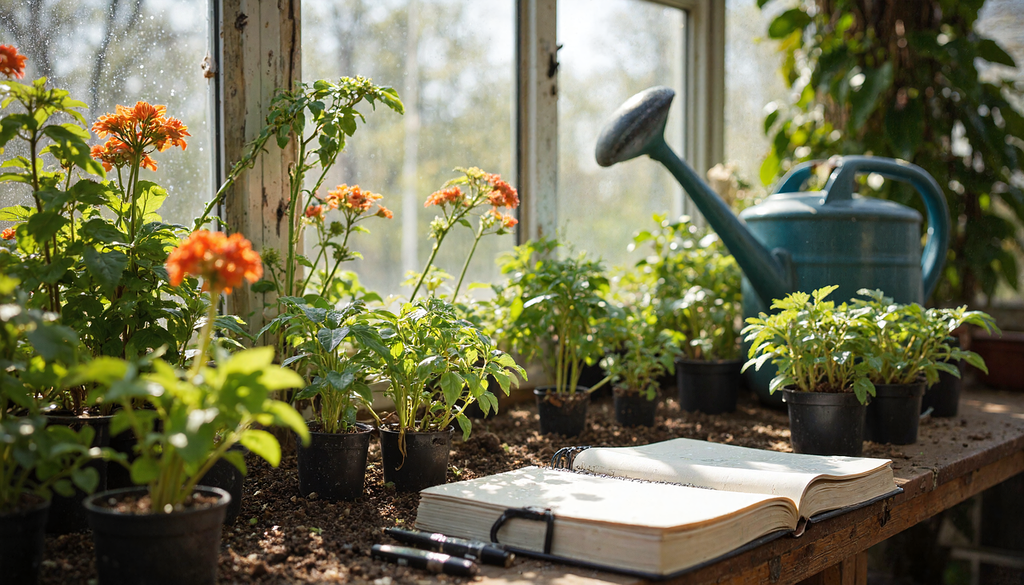
Keep a Simple Plant Care Record
If you have several indoor plants, keeping a simple record can make plant care easier.
You can write down the date when you watered each plant and make a note about how wet or dry the soil was.
After a few weeks, you may start noticing patterns.
For example, you might discover that one plant usually needs water every seven days while another stays moist for two weeks.
This does not mean you must always water on those exact days. Instead, the record helps you understand how quickly each plant normally dries.
Common Watering Mistakes to Avoid
There are several simple mistakes that can lead to overwatering indoor plants.
The first is watering every plant on the same day.
The second is watering because the surface looks slightly dry without checking deeper soil.
The third is leaving water sitting in the drainage tray.
The fourth is using containers without drainage holes.
The fifth is giving a plant more water simply because its leaves are drooping.
Avoiding these mistakes can make indoor plant care much easier.
A Simple Indoor Plant Watering Routine
I like to keep indoor plant watering simple.
First, look at the plant.
Then check the soil with your finger or a suitable moisture tool.
If the soil is still wet, wait.
If the soil has reached the dryness level suitable for that plant, water slowly.
Allow excess water to drain through the bottom of the pot.
Empty the saucer if water collects there.
Then leave the plant alone until it needs water again.
This simple process is much more reliable than watering automatically every few days.
Final Thoughts
Learning how to water indoor plants without overwatering them is mostly about observation. You do not need complicated equipment or an expensive gardening system.
The most important habit is to check the soil before watering. Understand the needs of each plant, use pots with drainage holes, choose suitable soil, and allow excess water to escape.
Remember that healthy plant care is not about giving plants as much water as possible. It is about giving them the right amount at the right time.
Once you begin paying attention to soil moisture, pot size, light, temperature, and plant type, watering indoor plants becomes much easier.
With a little patience, you can develop a simple routine that keeps your houseplants healthy without constantly worrying about overwatering them.