 pqaoo
pqaoo
Growing fresh herbs indoors is one of the simplest ways to bring a little greenery into your home. You do not need a large garden, expensive equipment, or years of gardening experience. A sunny window, a few pots, good soil, and regular watering can be enough to start your own small indoor herb garden.
I especially like the idea of growing herbs near a sunny window because it keeps fresh ingredients within easy reach. When I am cooking, I can simply cut a few leaves and add them to a meal. There is something satisfying about using herbs that I have grown myself rather than buying a whole bunch from the store and watching the unused portion spoil.
Some herbs are much easier to grow indoors than others. If you are a beginner, it is better to start with plants that can handle indoor conditions and do not require complicated care. Basil, mint, parsley, chives, oregano, thyme, rosemary, and cilantro are some of the best herbs to grow indoors near a sunny window.
In this guide, I will explain which herbs are easiest to grow, where to place them, how much sunlight they need, how to water them, and how to keep them healthy throughout the growing season.
Why Grow Herbs Indoors?
An indoor herb garden can be useful for several reasons. The biggest benefit is convenience. Fresh herbs are available whenever you need them, even if you do not have an outdoor garden.
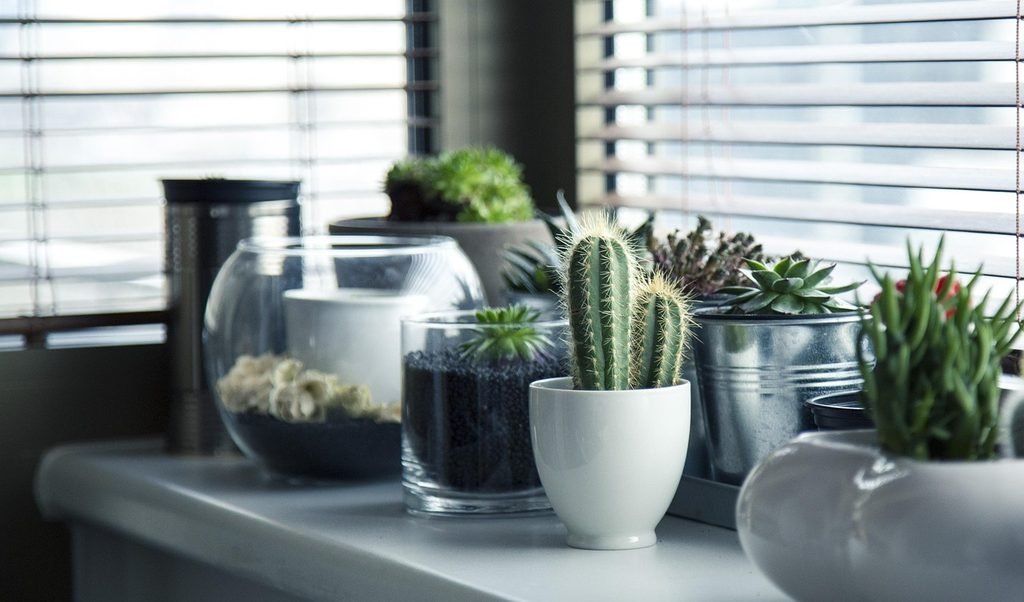
Indoor herbs can also add natural beauty to a kitchen, dining area, or another bright room. A row of small green pots near a window can make a space feel fresh and welcoming.
Another advantage is that you can control the growing environment more easily. Outdoor plants may have to deal with heavy rain, strong wind, pests, or sudden temperature changes. Indoor herbs are generally protected from these problems.
Growing herbs indoors can also be a good learning experience. You can start with two or three plants and gradually expand your collection as you become more comfortable with basic plant care.
1. Basil
Basil is one of my favorite herbs for growing indoors because it grows quickly when it receives enough light. It also produces plenty of leaves that can be used in cooking.
Basil prefers a warm location with several hours of bright sunlight each day. A sunny kitchen window can be an excellent location.
Choose a pot with drainage holes and fill it with good quality potting soil. Keep the soil slightly moist, but avoid keeping it constantly wet.
One useful habit is to harvest basil regularly. Instead of taking many large leaves at once, pinch off the top leaves and stems. This encourages the plant to produce more branches and leaves.
Fresh basil works well in pasta, salads, sandwiches, soups, sauces, and homemade pizza. If you enjoy cooking Italian inspired meals, having basil growing on your windowsill can be especially useful.
2. Mint
Mint is another easy herb to grow indoors. It grows well in containers and can tolerate a little less direct sunlight than some other herbs.
Mint prefers bright light, so place it close to a sunny window whenever possible. It likes consistently moist soil, but the pot should still have good drainage.
One thing I learned about mint is that it can grow aggressively when given enough space. For indoor gardening, keeping mint in its own pot is usually a good idea.
You can use fresh mint in tea, cold drinks, salads, desserts, sauces, and many different dishes. Simply picking a few leaves whenever you need them makes indoor mint very convenient.
If your home has a bright window but does not receive intense direct sunlight throughout the day, mint can be a good plant to try.
3. Parsley
Parsley may take a little patience at the beginning, but once established, it can become a useful indoor herb.
There are two common types of parsley, curly parsley and flat leaf parsley. Both can be grown in containers.
Parsley prefers bright light and evenly moist soil. A pot that is around six to eight inches deep can provide enough room for a small indoor plant.
Water the plant when the surface of the soil begins to feel slightly dry. Avoid watering according to a strict schedule because the amount of water a plant needs can change depending on temperature, sunlight, and pot size.
Parsley is useful in soups, rice dishes, salads, sauces, roasted vegetables, and many other meals. It can also be used as a simple garnish.
4. Chives
Chives are one of the easiest herbs for beginners. They have thin green leaves that grow upward and can be harvested regularly.
A small container is usually enough for growing chives indoors. Place the pot near a bright window and keep the soil moderately moist.
When harvesting, cut the leaves close to the base. Avoid removing all the leaves at one time. Leaving some growth on the plant allows it to continue producing new leaves.
Chives have a mild onion flavor and are excellent in eggs, baked potatoes, soups, salads, creamy sauces, and sandwiches.
They are also attractive indoor plants because their upright green leaves create a simple and clean appearance.
5. Oregano
Oregano is a useful herb if you enjoy flavorful food. It is also relatively easy to grow indoors as long as it receives enough light.
Place oregano near a sunny window where it can receive several hours of bright light. Let the soil become somewhat dry between waterings because oregano does not like sitting in constantly wet soil.
A container with drainage holes is important. If excess water remains around the roots for a long time, the plant can develop problems.
You can harvest oregano by cutting small stems or picking individual leaves. Fresh oregano can be used in pizza, pasta sauces, roasted vegetables, soups, and meat dishes.
Because oregano does not require frequent watering, it can be a good option for people who sometimes forget to water their plants.
6. Thyme
Thyme is a small herb that works particularly well on a sunny windowsill. It does not need a large container and can remain compact with regular harvesting.
Thyme likes bright sunlight and well drained soil. Allow the soil to dry slightly before watering again.
One mistake beginners sometimes make is watering herbs too frequently. Thyme prefers conditions that are not constantly wet, so checking the soil before watering is better than following a fixed routine.
You can use fresh thyme with roasted potatoes, vegetables, chicken, soups, stews, and sauces.
Its small leaves also make it an attractive addition to a collection of indoor herbs.
7. Rosemary
Rosemary can be grown indoors, although it usually needs more attention to light and drainage than some softer herbs.
A sunny window is very important for rosemary. Choose the brightest suitable location in your home.
Rosemary prefers soil that drains well and should not be kept constantly wet. Let the soil dry somewhat between waterings.
A terracotta pot can be useful because it allows moisture to escape more easily than some other types of containers.
You can trim small pieces of rosemary whenever you need them. Fresh rosemary adds a strong aroma and flavor to roasted potatoes, chicken, vegetables, soups, and breads.
If your home receives strong sunlight through a bright window, rosemary can be a rewarding herb to grow.
8. Cilantro
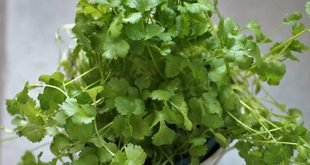
Cilantro is popular in many different cuisines and can be grown indoors in a container.
It prefers bright light and soil that drains well. Keep the soil moderately moist, especially while the plant is becoming established.
Cilantro can grow quickly, so regular harvesting is helpful. You can cut the leaves as needed and use them fresh.
Cilantro is commonly used in curries, rice dishes, salads, soups, salsa, sauces, and many other recipes.
One thing to remember is that cilantro naturally has a relatively short growing cycle compared with some perennial herbs. Instead of expecting one plant to last forever, you can sow new seeds regularly for a continuing supply.
How Much Sunlight Do Indoor Herbs Need?
Sunlight is one of the most important factors when growing herbs indoors.
Most herbs prefer several hours of bright light each day. A south facing or west facing window may provide strong sunlight, depending on your location and the design of your home.
However, not every sunny window receives the same amount of light. Buildings, trees, curtains, and nearby walls can reduce the amount of sunlight reaching the plant.
Watch your herbs carefully. If a plant becomes very tall and weak, with large spaces between leaves, it may not be receiving enough light.
If natural sunlight is limited, a suitable indoor grow light can help. This can be especially useful during darker seasons or in rooms where windows do not receive enough direct sunlight.
Choosing the Right Pots
Choosing the right container is just as important as choosing the right herb.
Always look for pots with drainage holes. These holes allow excess water to escape and help prevent soggy soil.
Small herbs can start in relatively small pots, but they may eventually need more space. If roots begin filling the container or the plant dries out unusually quickly, it may be time to move it into a slightly larger pot.
Avoid choosing an extremely large container for a small herb. A large amount of unused wet soil can remain around the roots for a long time after watering.
You can use ceramic pots, terracotta pots, plastic containers, or other suitable planters. The important thing is that the container is clean, appropriate for the plant, and has good drainage.
Best Soil for Indoor Herbs
Regular garden soil is not always the best choice for indoor containers because it can become heavy and compacted.
A quality indoor potting mix is usually a better option. Look for a mix that provides good drainage while still holding enough moisture for healthy roots.
You do not need to make the soil complicated when starting an indoor herb garden. A good commercial potting mix can be enough for many beginner herbs.
Over time, you can learn more about soil composition and make adjustments based on the needs of individual plants.
How to Water Indoor Herbs
Watering is one of the easiest things to get wrong.
Some beginners water their herbs every day because they want to keep them healthy. Unfortunately, too much water can be just as harmful as too little water.
Before watering, check the soil with your finger. If the upper part feels dry, it may be time to water. If the soil still feels wet, wait and check again later.
When watering, give enough water to moisten the soil thoroughly, then allow excess water to drain from the bottom of the pot.
Do not allow pots to sit in a tray filled with water for long periods.
The right watering frequency depends on the herb, container, soil, temperature, and amount of sunlight. This is why checking the soil is usually more reliable than following a fixed schedule.
Common Problems With Indoor Herbs
Indoor herbs can experience a few common problems.
Yellow leaves may sometimes indicate overwatering, although there can be other causes as well. If the soil stays wet for a long time, check the drainage and reduce watering.
Weak or stretched growth can be a sign of insufficient light. Try moving the plant closer to a brighter window.
Small insects can also appear on indoor plants. Check the leaves and stems regularly. If you notice pests, identify the problem before choosing a treatment.
Another common issue is harvesting too much. Plants need leaves to produce energy and continue growing. Taking a small amount regularly is generally better than removing most of the plant at once.
How to Harvest Indoor Herbs
Harvesting your herbs correctly can encourage continued growth.
For leafy herbs such as basil and mint, pinch or cut the stems just above a pair of leaves. This can encourage the plant to produce additional branches.
For chives, simply cut the green leaves close to the base.
For rosemary, thyme, and oregano, trim small stems as needed.
Try to harvest when the plant is healthy and actively growing. If you remove too much at one time, the plant may need more time to recover.
Freshly harvested herbs can be used immediately or stored properly for later use.
Can You Grow Herbs From Seeds?
Yes, many indoor herbs can be grown from seeds.
Growing from seeds can take longer than purchasing an established plant, but it can also be inexpensive and enjoyable.
Basil, parsley, cilantro, chives, and thyme can all be started from seeds under suitable conditions.
Follow the instructions on the seed packet because planting depth and germination requirements can vary.
Keep the soil appropriately moist while seeds are germinating. Once seedlings appear, provide enough light so they do not become weak and stretched.
If you are completely new to gardening, starting with one or two established plants can be easier. Once you understand the basics, you can experiment with seeds.
Creating a Simple Indoor Herb Garden
You do not need a large collection to create a useful indoor herb garden.
Start with three herbs that you are most likely to use in cooking. For example, you could choose basil, mint, and chives.
Place them near a bright window where you can easily see them. Keeping plants visible makes it easier to remember watering and harvesting.
Use similar sized pots if you want a neat appearance, or mix different containers for a more relaxed look.
Make sure every plant receives the amount of light it needs. If one herb requires significantly more sunlight than another, you may need to arrange the pots differently.
Tips for Successful Indoor Herb Growing
Start small and avoid buying too many plants at once. A few healthy herbs are easier to care for than a crowded collection.
Give each plant enough light. Sunlight is especially important for herbs that naturally grow in bright outdoor conditions.
Use containers with drainage holes. This simple step can prevent many watering problems.
Check the soil before watering instead of automatically watering every day.
Harvest herbs regularly but avoid taking too much at one time.
Rotate pots occasionally if one side of the plant is receiving much more light than the other.
Remove dead or damaged leaves when necessary.
Keep an eye out for insects and other signs of plant stress.
Most importantly, give yourself time to learn. Every home has different light, temperature, and humidity conditions, so indoor gardening is partly about observing what works in your space.
Final Thoughts
Growing easy herbs indoors near a sunny window is a simple project that can make your home greener and your cooking more enjoyable. You do not need a large garden or complicated equipment to get started.
Basil, mint, parsley, chives, oregano, thyme, rosemary, and cilantro are all useful herbs to consider. Each one has slightly different needs, but the basic principles are simple. Give your herbs enough light, use well drained soil, choose pots with drainage holes, and water according to the condition of the soil.
I think the best way to start is to choose just two or three herbs that you already use regularly. Once you become comfortable caring for them, you can add more.
An indoor herb garden does not have to be perfect. Even a few healthy plants on a sunny windowsill can provide fresh flavor, natural greenery, and the satisfaction of growing something yourself. With a little attention and patience, your sunny window can become a small and useful garden all year round.