 pqaoo
pqaoo
Starting a small balcony garden is one of the easiest ways to bring more greenery into your home. You do not need a large yard, expensive tools, or years of gardening experience. Even a small balcony can become a pleasant green space if you choose the right plants and use the available space wisely.
I have always found balcony gardening interesting because it allows you to grow plants even when you live in an apartment or a home without a traditional garden. With a few containers, good soil, enough sunlight, and regular care, you can create a beautiful balcony garden in a surprisingly small area.
In this guide, I will explain how to start a small balcony garden with limited space. We will look at choosing the right plants, selecting containers, preparing soil, using vertical space, watering, sunlight, and simple maintenance tips. The goal is to keep everything practical and easy to understand, especially if you are a beginner.
Why Start a Small Balcony Garden?
A balcony garden can make an ordinary outdoor space feel much more welcoming. Plants can add color, texture, and a natural feeling to an apartment balcony.
One of the biggest advantages is that you can grow plants without owning a large piece of land. You can grow flowers, herbs, vegetables, and even some small fruit plants in containers.
Gardening can also become a relaxing hobby. Spending a few minutes caring for your plants can be a nice break from screens and daily responsibilities. Watching a small seed grow into a healthy plant can also make gardening feel rewarding.
Another benefit is having fresh herbs close to your kitchen. Plants such as mint, basil, coriander, parsley, and chives can grow well in suitable containers.
Check Your Balcony Before You Start
Before buying plants and pots, take some time to understand your balcony. This simple step can save you money and prevent many common gardening problems.
The first thing to check is sunlight. Spend a day observing how much direct sunlight your balcony receives. Some balconies receive several hours of sunlight, while others may only get indirect light.
Most vegetables and flowering plants need several hours of sunlight each day. If your balcony receives limited sunlight, choose plants that can tolerate partial shade.
You should also think about wind. Higher balconies can be quite windy, and strong wind can damage delicate plants or dry out containers quickly. In this situation, heavier pots and sheltered locations can help.
Water drainage is another important point. Containers should have drainage holes so excess water can escape. Standing water can damage roots and create problems for many plants.
If you live in a rented apartment, it is also sensible to check whether your building has any rules about balcony plants, hanging pots, or the amount of weight allowed on the balcony.
Start With a Few Plants
One mistake beginners often make is buying too many plants at once. A small balcony can quickly become crowded, making watering and maintenance difficult.
I recommend starting with a few plants and learning how they behave in your particular space. You can always add more plants later.
For example, you could start with two herb pots, two flowering plants, and one vegetable container. This gives you enough variety without making your balcony difficult to manage.
Starting small also makes gardening less stressful. If one plant does not grow well, you can learn from the experience and try something different.
Choose the Right Plants for a Small Balcony
Choosing plants that match your available space is one of the most important parts of balcony gardening.
Look for compact plants that do not require a huge amount of room. Herbs are particularly useful because many of them grow happily in small containers.
Herbs
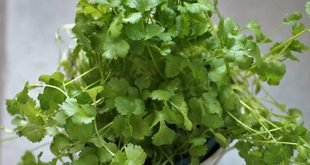
Herbs are some of the best plants for a small balcony garden. Basil, mint, parsley, coriander, thyme, rosemary, and chives can all be useful choices depending on your climate and sunlight.
Mint can spread quickly, so it is usually better to grow it in its own container. Basil generally prefers plenty of sunlight and regular watering.
Herbs also have a practical advantage. You can pick small amounts whenever you need them for cooking.
Leafy Greens
Leafy greens can be suitable for containers because they often do not require extremely deep growing space.
Lettuce, spinach, arugula, and other compact greens can work well when grown in suitable containers. You can harvest leaves gradually instead of removing the entire plant at once.
Compact Vegetables
If your balcony receives enough sunlight, you can also try compact vegetables.
Cherry tomatoes are a popular choice for container gardening. Some varieties remain relatively compact and can produce a useful harvest when grown in the right container.
Peppers can also be suitable for balcony gardens. Look for compact varieties rather than plants that become extremely large.
Radishes are another interesting option because they grow relatively quickly and can be grown in containers with suitable soil depth.
Flowers
Flowers can make a small balcony garden look much more attractive. Marigolds, petunias, pansies, geraniums, and other suitable container flowers can add color.
Choose flowers according to your climate and the amount of sunlight available. A sunny balcony gives you many more flowering options.
Select Containers Carefully
You do not need expensive containers to start a balcony garden. Many gardeners successfully use simple pots and recycled containers as long as they are safe for plants and have proper drainage.
The size of the container should match the plant. A small herb may be comfortable in a small pot, while a tomato plant usually needs a much larger container.
Always make sure the container has drainage holes. If water cannot escape, the soil can remain too wet and roots may suffer.
Lightweight containers can be useful on balconies because they are easier to move. However, they should still be stable enough that wind cannot easily knock them over.
You can also use railing planters if they are securely installed and allowed by your building. These planters make use of space that might otherwise remain unused.
Use Vertical Space
When balcony space is limited, think vertically.
Instead of placing everything on the floor, use shelves, wall mounted planters, hanging baskets, and suitable vertical gardening structures.
A simple plant shelf can hold several small pots while leaving most of the floor open. Hanging baskets can also add greenery without taking up valuable floor space.
Climbing plants can be another option if your balcony has enough support. Plants such as certain beans or compact climbing flowers can grow upward instead of spreading across the floor.
However, always make sure anything attached to walls, railings, or ceilings is properly secured.
Create a Simple Balcony Garden Layout
A little planning can make your balcony garden look much better.
Place taller plants toward the back or corners of the balcony. Keep smaller herbs and flowers toward the front where you can easily reach them.
If you are using shelves, put plants with similar light requirements together. Plants that need frequent watering should also be kept where they are easy to reach.
Try to leave a small walking area. A garden should not make the balcony impossible to use.
You can also choose containers that have similar colors or shapes if you want a more organized appearance. The garden does not have to look perfect, but a simple layout can make a small space feel larger.
Use Good Quality Potting Soil
Plants grown in containers depend heavily on the soil you provide.
Garden soil from the ground is often not the best choice for containers because it can become compacted and may not provide the drainage that container plants need.
A quality potting mix is generally a better option. Look for a mix designed for container gardening.
Different plants can have different soil preferences, so check the requirements of the plants you choose.
Good container soil should allow roots to receive both moisture and air. It should hold enough water for the plant without staying constantly wet.
Water Your Balcony Plants Properly
Watering sounds simple, but it is one of the areas where beginners often make mistakes.
Do not automatically water every plant every day. Instead, check the soil first.
Push your finger gently into the top layer of soil. If the soil feels dry and the plant needs water, give it a thorough watering until some water begins to come through the drainage holes.
The exact watering schedule depends on temperature, sunlight, wind, container size, plant type, and soil.
Small containers may dry out faster than large containers. During hot weather, plants on exposed balconies may need more frequent attention.
At the same time, avoid keeping the soil constantly soaked. Overwatering can be just as harmful as underwatering.
Pay Attention to Sunlight
Sunlight is one of the most important factors for a healthy balcony garden.
Before choosing plants, understand whether your balcony receives full sun, partial sun, or mostly shade.
Plants such as many tomatoes, peppers, and flowering plants generally perform better when they receive plenty of sunlight. Some herbs and leafy greens can tolerate less intense conditions.
If one plant constantly looks weak or produces poor growth, insufficient light could be one reason.
You can also move containers around when possible. This is another advantage of growing plants in pots.
Feed Your Plants When Needed
Container plants have limited access to nutrients because they cannot spread their roots through a large area of soil.
As plants grow, nutrients can become depleted. Depending on the plant and potting mix, a suitable fertilizer may help support healthy growth.
Always follow the instructions on the fertilizer label. More fertilizer does not automatically mean better growth.
Overfeeding can damage plants, so use fertilizers carefully and according to the needs of your specific plants.
Keep an Eye on Pests
Even a balcony garden can attract insects.
Check your plants regularly for signs of trouble. Look underneath leaves and around new growth because some pests can be difficult to notice at first.
Common signs include holes in leaves, sticky surfaces, curled leaves, discoloration, or unusual insects.
The earlier you notice a problem, the easier it is usually to manage.
Keep damaged leaves and fallen plant material cleaned up. Good airflow around plants can also help reduce some problems.
If you need a pest control product, choose one that is appropriate for the plant and follow its label instructions carefully.
Make the Most of Small Containers
Limited space does not mean you have to grow only one type of plant.
You can combine suitable plants in larger containers if their light, water, and soil requirements are compatible.
For example, a large container can sometimes hold several herbs together. However, avoid overcrowding because plants need enough room for their roots and leaves.
You can also use different container heights to create visual interest. A combination of floor pots, shelves, and hanging planters can make the garden feel fuller without using much floor space.
Reuse Items for Balcony Gardening
Balcony gardening does not have to be expensive.
You may already have containers around your home that can be reused. Old buckets, wooden boxes, and suitable food containers can sometimes become planters after proper cleaning and preparation.
The most important thing is drainage and safety. Avoid using containers that may contain harmful residues or materials unsuitable for growing plants.
You can also reuse small jars or containers for starting seedlings before moving them into larger pots.
This approach can make balcony gardening more affordable and environmentally friendly.
Create a Simple Gardening Routine
You do not need to spend hours every day looking after your plants.
A simple routine is usually enough.
Check your plants several times a week. Look at the soil, leaves, stems, and general growth. Remove dead leaves and flowers when appropriate.
Water plants when they need it rather than following a strict schedule.
Once a week, take a few minutes to look for pests and signs of disease. Turn containers if necessary so plants receive more even light.
A small amount of regular attention is much easier than trying to fix several problems after ignoring the garden for weeks.
Common Balcony Gardening Mistakes
There are several mistakes that beginners can easily avoid.
The first is overcrowding. Too many plants can make a small balcony uncomfortable and can also create poor airflow.
The second mistake is using containers without drainage holes. This can lead to waterlogged soil and unhealthy roots.
Another common problem is choosing plants without considering sunlight. A plant that needs full sun may struggle on a dark balcony.
Overwatering is also common. Always check the soil before adding more water.
Finally, do not become discouraged if every plant does not succeed. Gardening involves learning through experience. Weather, sunlight, soil, pests, and plant varieties can all affect results.
How to Make a Small Balcony Garden Look Beautiful
A productive garden can also be a beautiful garden.
Use different plant heights to create layers. Combine leafy plants with flowers for a more colorful appearance.
You can choose simple pots that complement your balcony furniture. A small outdoor chair or table can also make the space more enjoyable.
Do not try to fill every empty corner. Leaving some open space can make the balcony feel larger and easier to use.
The best balcony garden is one that fits your lifestyle. If you enjoy cooking, focus on herbs and vegetables. If you mainly want a relaxing outdoor space, choose flowers and decorative plants.
Start Your Balcony Garden One Step at a Time
The easiest way to start is to keep the first setup simple.
Begin by measuring your available space and checking the sunlight. Choose a few suitable plants and buy containers that match their needs.
Prepare the containers with good potting soil and make sure water can drain properly. Place the plants according to their light requirements.
After that, spend a few minutes checking them regularly.
As you become more comfortable, you can experiment with new plants, vertical gardening, hanging baskets, and different container arrangements.
You will gradually learn which plants perform best on your particular balcony.
Final Thoughts
Starting a small balcony garden with limited space is much easier than it may seem. You do not need a large yard or expensive gardening equipment to grow healthy plants.
The key is to understand your space and choose plants that fit your conditions. Pay attention to sunlight, container size, drainage, soil, watering, and regular maintenance.
Start with a few easy plants instead of trying to create a huge garden immediately. Use vertical space when possible and keep your layout simple.
With a little patience, even a small balcony can become a green and relaxing part of your home. The best part is that you can build your balcony garden slowly. Every new plant gives you another chance to learn and improve.
If you have limited outdoor space, do not let that stop you from gardening. Start with one pot, care for it properly, and then add more when you feel ready. A small balcony garden can become a surprisingly enjoyable hobby and a beautiful place to spend time at home.